Bitumen Grade Senegal: A Complete Guide
Bitumen grade Senegal is crucial for the nation’s expanding infrastructure, particularly road construction and roofing applications. This article provides a comprehensive overview of bitumen specifications, available grades like 60/70 and 80/100, testing standards, import considerations, and a look at potential suppliers heading into 2026. Gulf Petro Vision L.L.C offers expertise in sourcing quality bitumen for Senegalese projects.
Understanding the exact requirements of Senegal’s pavement material is essential for engineers, contractors, and importers. The national framework aligns closely with ASTM D 5 (penetration), D 4402 (softening point), and EN 12591 (viscosity), while adding local temperature‑adjusted limits to guarantee durability on the West African climate.
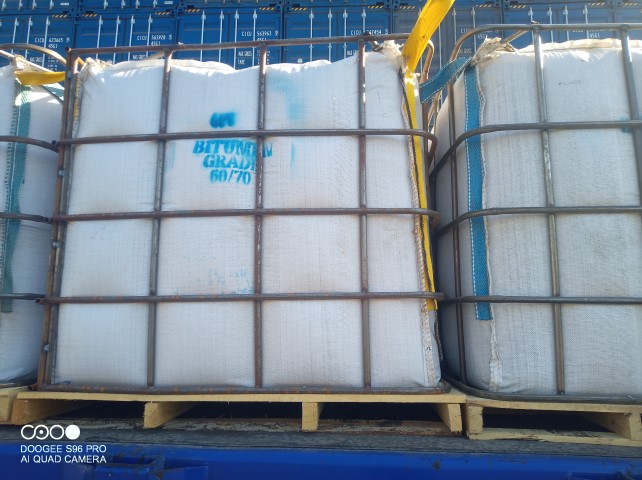
What defines the Bitumen grade Senegal specifications?
Senegal bitumen specifications focus on five core properties: penetration grade (typically 60/70 or 80/100), dynamic viscosity at 60 °C, softening point, ductility at 5 °C, and flash point above 220 °C. These parameters are codified in the national standard SN‑B‑01, which references ASTM D 5, D 217, and EN 12591. The penetration grade determines hardness; a 60/70 grade offers a balance for heavy‑traffic highways, while 80/100 suits secondary roads and roofing applications.
How are penetration and viscosity measured under Senegal bitumen specifications?
Penetration is tested with a 100‑g needle under a 25‑minute load, expressed in 0.1 mm units. Viscosity is measured with a rotational viscometer at 60 °C, producing values in centipoise that must fall within 200–500 cP for 60/70 and 150–300 cP for 80/100. The chart below visualizes typical ranges:
Viscosity bands for the two most common grades in Senegal.
Why is quality control critical for bitumen used in Senegal road construction?
Independent labs must verify each shipment against SN‑B‑01. Failure to meet criteria leads to rejection, re‑processing costs, and potential project delays. This rigorous comprehensive guide to bitumen suppliers in Senegal outlines the audit process.
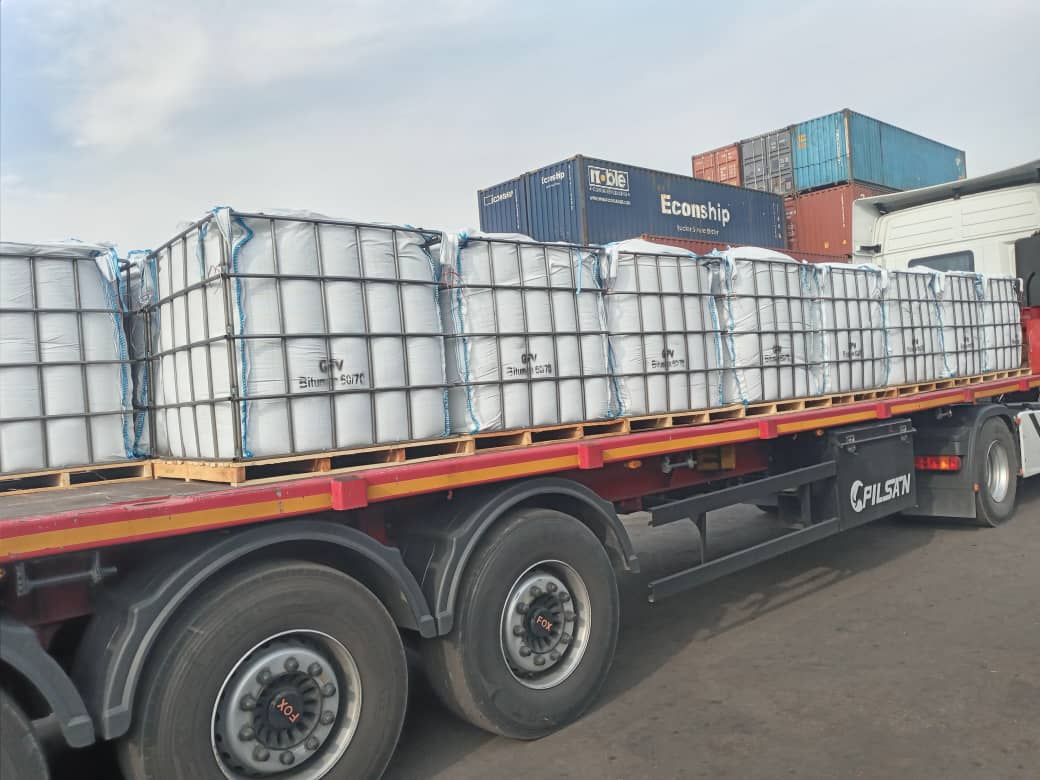
What are the Senegal asphalt binder requirements that differ from other regions?
Beyond the standard grades, Senegal mandates a minimum ductility of 30 cm at 5 °C and a flash point not lower than 220 °C for asphalt binders used in hot‑mix production. These limits exceed many European specs to counteract high daytime temperatures and night‑time moisture.
How does temperature influence bitumen viscosity and performance in Senegal?
Viscosity drops sharply above 30 °C, reducing coating thickness and increasing susceptibility to bleeding. Conversely, low night temperatures can raise viscosity, risking poor compaction. Adjusting the binder grade—opting for 80/100 in hotter zones—helps maintain optimal workability across the seasonal range.
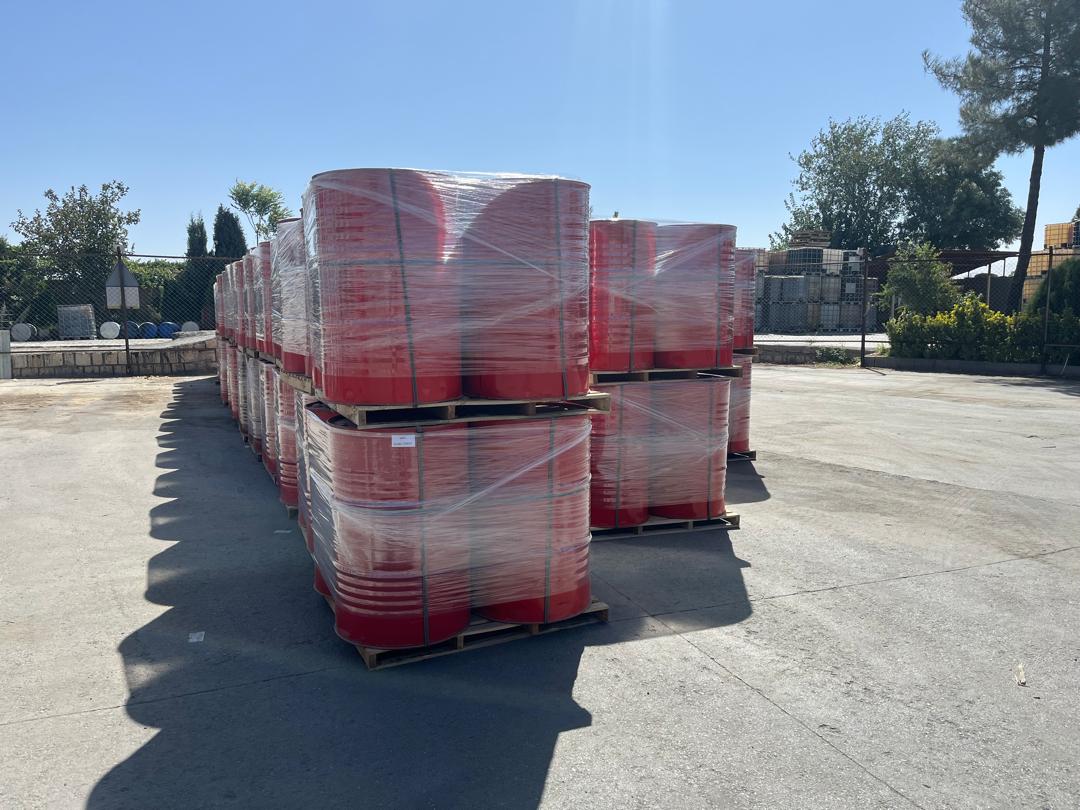
What are the main Bitumen grade Senegal specifications for road construction?
Senegal road projects overwhelmingly rely on two penetration grades: bitumen 60/70 Senegal and bitumen 80/100 Senegal. The 60/70 grade typically exhibits a penetration of 60–70 0.1 mm and a viscosity of 300–500 cSt at 60 °C, making it suitable for high‑traffic arterial routes where temperature fluctuations are moderate. The 80/100 grade, with a penetration of 80–100 0.1 mm and a viscosity of 150–300 cSt at 60 °C, is preferred for secondary and rural highways where lighter traffic and warmer climates reduce the risk of thermal cracking.
PROS of 60/70
- Higher stiffness resists rutting under heavy loads.
- Better performance in cooler evenings.
CONS of 60/70
- Higher susceptibility to low‑temperature cracking.
- Increased pumping energy.
PROS of 80/100
- Greater flexibility reduces thermal stress.
- Lower handling costs.
CONS of 80/100
- Less resistant to rutting under heavy trucks.
- May require polymer modification in high‑stress zones.
How does polymer‑modified Bitumen improve Senegal’s high‑stress applications?
Polymer‑modified bitumen (PMB) blends a styrene‑butadiene‑styrene (SBS) polymer with the base binder, raising the softening point and enhancing elasticity. In Senegal, PMB is increasingly used for bridges, airport runways, and heavily loaded corridors, where the standard 60/70 may otherwise crack. The modification raises the viscosity while maintaining sufficient flow for mixing, aligning with regional best‑practice guidelines for asphalt binder selection.
What is the projected demand for each Bitumen grade Senegal and how might price trends evolve?
Infrastructure plans through 2026 forecast a 12 % increase in total bitumen consumption, with a 7 % rise in 60/70 usage for new expressways and a 5 % rise in 80/100 for rural upgrades. Demand fluctuations are driven by seasonal import volumes, exchange‑rate volatility, and the rollout of polymer‑modified mixes.
Projected demand for 60/70 grade.
Projected demand for 80/100 grade.
Factors influencing the Bitumen grade Senegal price include global crude oil trends, shipping lead times, and local taxation on imported binders. Monitoring these variables will be essential for procurement teams preparing bids for upcoming road‑paving contracts.
How can you secure reliable Bitumen grade Senegal supply and import?
Which Senegalese bitumen suppliers are expected to dominate 2026?
In 2026 the market will be led by a mix of local producers such as Société Sénégalaise de Bitume (SSB) and international players including Gulf Petro Vision L.L.C, TotalEnergies, and Shell. These firms offer both bitumen 60/70 Senegal for road construction and bitumen 80/100 Senegal for roofing and industrial applications. Their existing storage depots in Dakar and Kaolack reduce lead‑times, making them preferred partners for large‑scale projects.
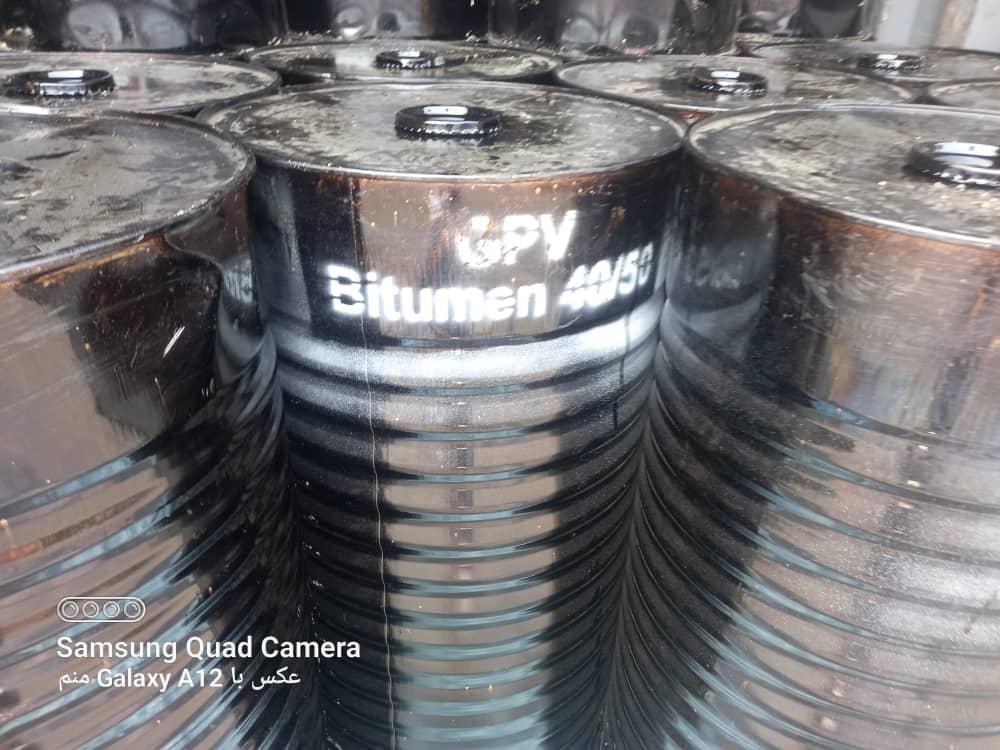
What import regulations and documentation are mandatory for bitumen in Senegal?
Importers must obtain a Commercial Import Permit from the Ministry of Commerce, a Certificate of Origin, and a Quality Conformity Certificate that references the Senegal road paving standards. Customs duties are calculated on the CIF value and are subject to periodic revisions. All shipments must be accompanied by a Bill of Lading, a Packing List, and a Material Safety Data Sheet (MSDS) confirming compliance with bitumen testing Senegal standards.
How do transportation, storage, and handling affect the logistics of bitumen import?
Bitumen is temperature‑sensitive; it must be kept above 120 °C during sea transit and on‑site transfer. Specialized insulated containers or heated tankers are required. Once ashore, storage tanks should have heating coils and fire‑suppression systems. The logistical chain often includes a short‑haul road leg from the Port of Dakar to the project site, demanding careful coordination to avoid premature cooling.
Projected share of Senegalese bitumen suppliers in 2026.
Can Gulf Petro Vision L.L.C streamline the supply chain for Senegal?
Gulf Petro Vision L.L.C offers end‑to‑end services: sourcing, customs clearance, heated transport, and on‑site delivery. Their expertise in quality control bitumen Senegal ensures that every batch meets the prescribed viscosity and penetration grades, reducing the risk of non‑conformity penalties.
What quality assurance and risk mitigation steps ensure compliance with Senegal road paving standards?
Implement a dual‑testing regime: laboratory penetration/viscosity tests followed by field performance checks. Require suppliers to provide a Certificate of Analysis for each lot and maintain a traceability log. Selecting partners who adhere to strict quality control bitumen Senegal protocols minimizes the likelihood of premature cracking or rutting.
For a deeper dive into supplier performance and specifications, consult the comprehensive guide to Senegal bitumen suppliers.
Selecting the appropriate bitumen grade Senegal is paramount for project longevity and performance. Understanding Senegal’s road paving standards, quality control procedures, and the nuances of asphalt binder specifications ensures optimal results. Gulf Petro Vision L.L.C is committed to providing reliable bitumen solutions. Contact us today for a consultation and ensure your project benefits from superior materials.