Roofing Bitumen Senegal: Prices & Suppliers
Roofing bitumen Senegal is a crucial component in building and infrastructure projects across the nation, offering durable and cost-effective waterproofing and roofing solutions. Senegal’s climate demands robust roofing materials, and bitumen, in its various forms, consistently proves its reliability. This guide provides a detailed overview of bitumen roofing in Senegal, covering types, costs, suppliers, and installation best practices.
Senegal’s hot, humid climate and diverse roof slopes demand a clear understanding of the roofing bitumen options available. Selecting the right product not only ensures long‑lasting waterproofing but also aligns with local standards and budget constraints. Below we break down each category, its typical applications, and the benefits that make it a preferred choice for construction professionals.
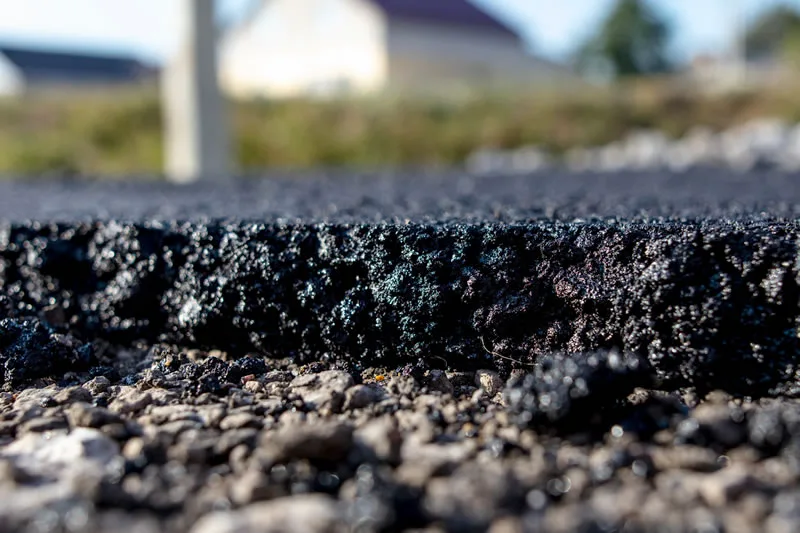
What types of Roofing bitumen Senegal are available?
Four main families dominate the market: traditional unmodified bitumen, polymer‑modified bitumen (SBS and APP), cold‑applied bitumen, and specialty membranes designed for high‑temperature performance. Traditional bitumen is a bitumen‑saturated felt that excels on low‑slope roofs when paired with proper reinforcement. Modified bitumen adds polymers to improve elasticity, UV resistance, and crack‑bridging, making it ideal for steep‑pitch roofs and areas with heavy traffic.
Distribution of bitumen types used in Senegal.
How do SBS and APP modified bitumen differ for Senegal projects?
SBS (styrene‑butadiene‑styrene) provides superior flexibility at low temperatures, which helps on roofs with complex geometry or in cooler inland regions. APP (atactic polypropylene) offers higher temperature stability, perfect for coastal zones where ambient heat exceeds 35 °C. Both fulfill the comprehensive guide to Senegal bitumen suppliers, but the choice hinges on climate exposure and desired service life.
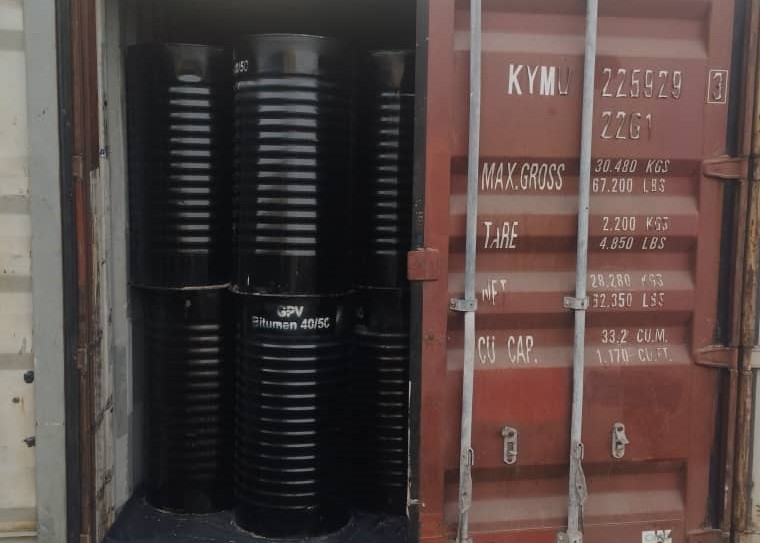
When should cold‑applied roofing bitumen be chosen?
Cold‑applied systems are favored for roof repairs, retrofits, and seasonal works when immediate curing is required. They eliminate the need for torches, enhancing safety on residential projects. While they may have a slightly lower tensile strength than hot‑applied membranes, modern formulations meet the Senegal roofing bitumen standards for water ingress protection.
PROS of Polymer‑Modified Bitumen
- Enhanced elasticity and crack resistance
- Better UV and temperature performance
- Longer warranty periods
CONS of Polymer‑Modified Bitumen
- Higher material cost
- Requires specialized installation tools
What standards ensure quality and performance in Senegal?
The national code mandates specific tensile strength, tear resistance, and fire‑rating criteria for roofing bitumen products. Compliance with these standards guarantees that both unmodified and modified membranes provide the expected waterproofing bitumen Senegal solutions.
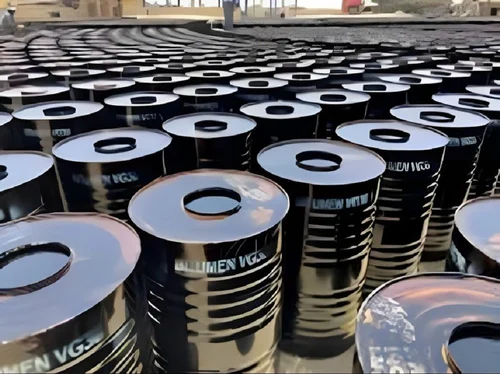
How will bitumen technology evolve by 2026?
Upcoming advances include nano‑reinforced membranes that combine the flexibility of SBS with the heat tolerance of APP, and eco‑friendly cold‑applied formulations using bio‑based polymers. These innovations aim to deliver the best bitumen for roofing Senegal projects while reducing carbon footprints.
Choosing the appropriate type based on roof slope, budget, and environmental exposure is essential for a durable, cost‑effective roofing system.
Understanding how Roofing bitumen Senegal prices vary across the market helps contractors and building owners make cost‑effective decisions while preserving quality. This chapter breaks down the key drivers of price, compares leading suppliers, and offers practical tactics for securing the best value.

What factors influence the Roofing bitumen Senegal price?
Four main variables shape the cost of bitumen roofing materials in Senegal:
- Grade and modification: Standard penetration grade, modified, and cold‑applied formulations each carry distinct price brackets.
- Order volume: Bulk purchases (ton‑scale) often attract discounts, whereas smaller batches may include higher unit costs.
- Supplier network: Local distributors versus international importers differ in margins, credit terms, and stock availability.
- Market dynamics: Global crude oil trends, seasonal demand spikes, and regional logistics affect price volatility.
How do the leading roofing bitumen suppliers Senegal differ in pricing structures?
Chart shows the relative price index for three typical supplier categories.
Local distributors tend to bundle delivery with the purchase, while regional importers may add freight and customs fees. Specialty suppliers focus on premium modified bitumen and often provide technical support, reflected in a higher price tier.
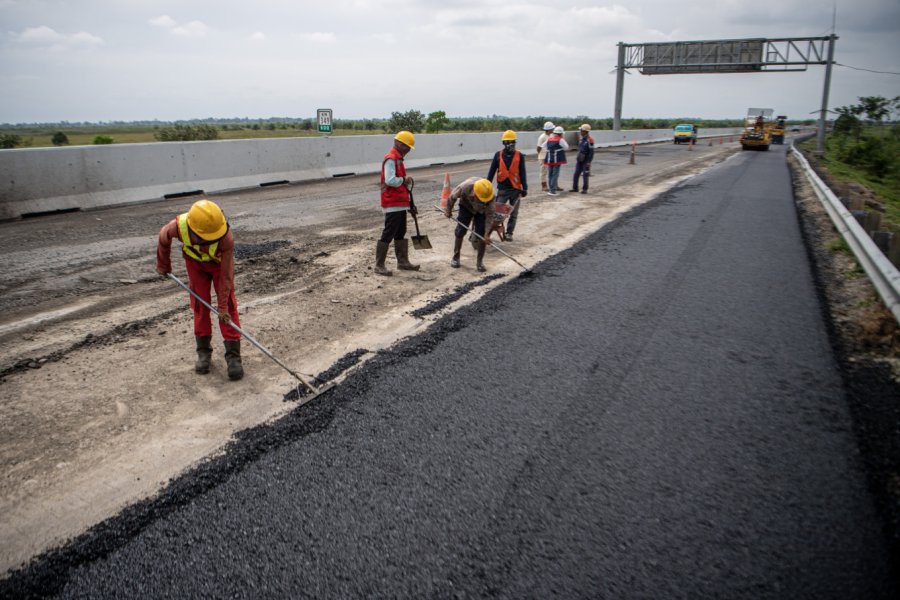
What does a full bitumen roofing installation cost in Senegal?
A typical project budget comprises:
- Material procurement (bitumen rolls, primer, reinforcement)
- Labor charges (surface preparation, application, curing)
- Ancillary expenses (transport, storage, safety gear)
- Regulatory costs (import duties, local tax stamps)
These elements together establish the overall roof bitumen cost Senegal professionals should anticipate, even though exact numbers fluctuate.
How can buyers negotiate better terms with roofing bitumen suppliers Senegal?
Effective strategies include:
- Consolidating orders across multiple projects to increase volume leverage.
- Requesting fixed‑price contracts that lock in rates for 12‑18 months, mitigating market swings.
- Comparing multiple quotes and using the detailed supplier guide to benchmark offers.
- Exploring payment schedules that align with project milestones, reducing upfront cash flow pressure.
What price range is expected for different types of roofing bitumen in 2026?
Market analysts forecast a modest rise for standard penetration grades, while modified and cold‑applied products may see steadier pricing thanks to advancing local production capacities. The exact range will depend on global oil benchmarks and Senegal’s import policies.
Focusing on durability, compliance with Senegal roofing bitumen standards, and supplier reliability ensures that investments in waterproofing bitumen Senegal solutions deliver lasting value.
Why is Proper Roofing bitumen Senegal Installation Crucial for Waterproofing?
In Senegal’s humid‑tropical climate, a correctly installed bitumen membrane is the frontline defence against water ingress. When the roofing system fails, moisture penetrates the substrate, leading to corrosion of steel reinforcements, mold growth, and costly structural repairs. Proper installation not only creates a continuous waterproof barrier but also maximises the lifespan of the building, safeguarding its value and occupancy comfort.
What are the essential steps in a successful bitumen roof installation?
1. Surface preparation – Clean the deck, repair cracks, and apply a compatible primer to ensure adhesion.
2. Thermal or cold application – Depending on the product, heat the bitumen sheets or use cold‑applied adhesives, spreading them evenly.
3. Layer placement – Install the base sheet, followed by reinforcement layers, overlapping seams at least 150 mm.
4. Flashings and penetrations – Fit pre‑formed metal flashings around roof edges, vents, and skylights, sealing each joint with bitumen‑compatible sealant.
5. Final sealing – Apply a protective coating or cap sheet, and edge protectors to prevent UV degradation.

Which common mistakes undermine waterproof performance?
Improper surface cleaning leaves dust that weakens bond strength, leading to delamination. Inadequate overlap creates weak points where water can seep, causing blistering under thermal expansion. Over‑heating the bitumen can burn the surface, while under‑heating results in incomplete fusion. Neglecting to seal flashings or roof penetrations is a frequent cause of leaks that eventually compromise the entire system.
How do qualified contractors prevent failures and ensure durability?
Experienced roofing contractors follow the comprehensive guide to bitumen suppliers in Senegal, selecting products that meet Senegal roofing bitumen standards. They perform strict quality checks at each stage, use calibrated heating equipment, and document all seam overlaps and flashing details. Their familiarity with bitumen waterproofing solutions Senegal enables them to tailor slopes and drainage details, reducing ponding risks.
Regular roof repair bitumen Senegal inspections—ideally every 12 months—identify early signs of blistering, sealant loss, or edge wear. Prompt remedial work preserves membrane integrity, preventing premature failure and extending the roof’s service life.
Understanding the nuances of Roofing bitumen Senegal – from material selection to proper installation – is vital for long-lasting protection against the elements. Choosing the right supplier and adhering to Senegal’s roofing standards ensures quality and durability. Gulf Petro Vision L.L.C is a trusted partner for all your bitumen needs. Contact us today for a competitive quote and expert advice.