US Naphtha Revives Venezuelan oil production
The flow of US naphtha into Venezuela signals a potential turning point. It’s an early indicator of efforts to revive the nation’s struggling heavy oil industry. This development follows a recent agreement between Washington and Caracas.
A Critical Ingredient
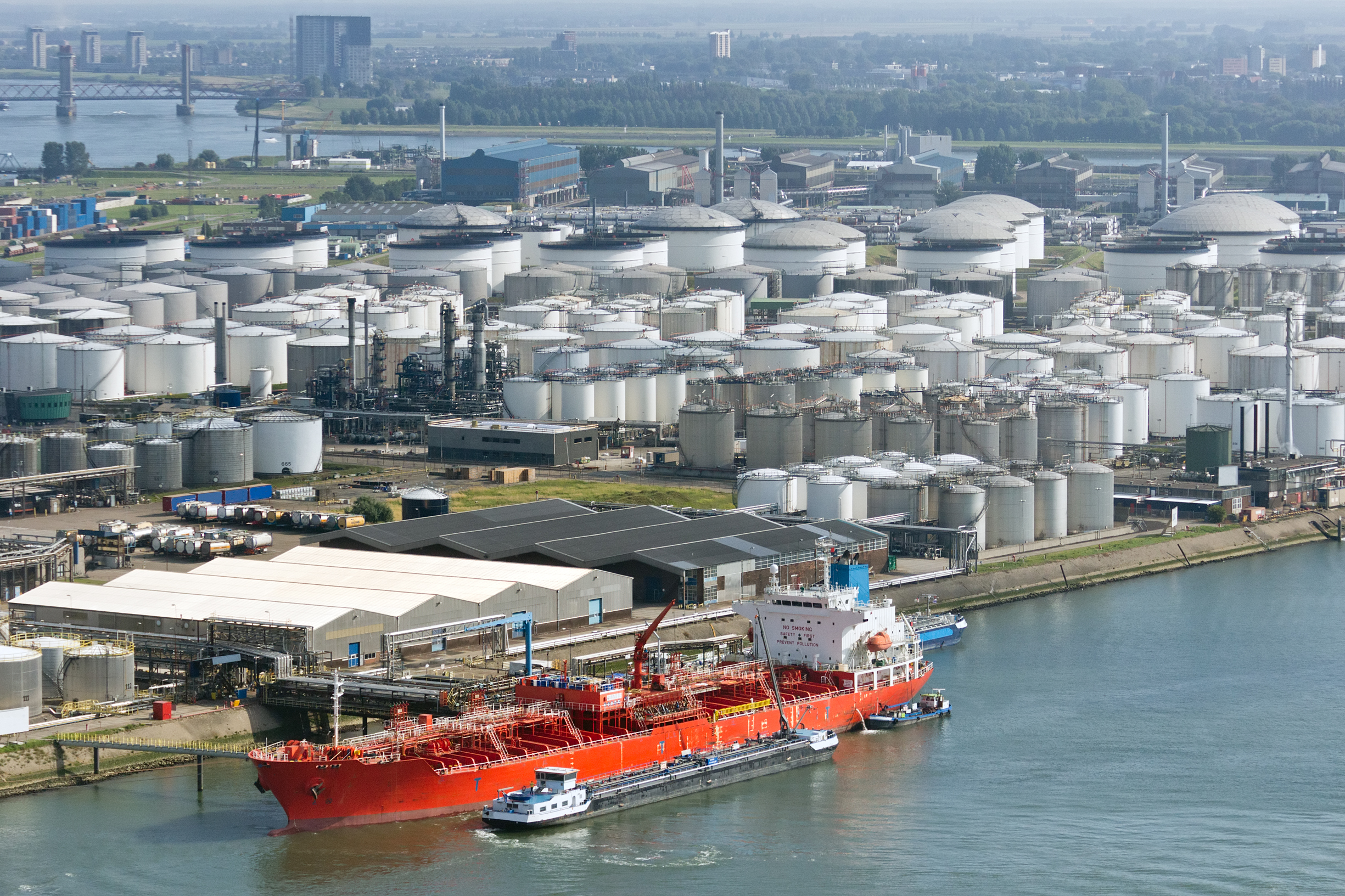
Venezuela’s extra-heavy crude oil is notoriously thick. It’s unlike the lighter, more easily transported oil found elsewhere. Naphtha acts as a vital blending agent, essentially thinning the crude. This allows it to flow through pipelines and be loaded onto tankers for export.
Without a consistent supply of naphtha, Venezuela’s oil production grinds to a halt. The crude becomes too viscous to move effectively. This logistical challenge has plagued the country for years, severely limiting its export capacity. Domestic refining capabilities have also significantly declined.
Reliance on Russia & US Shift
For a time, Russia stepped in to fill the naphtha gap. However, these shipments became increasingly vulnerable to US sanctions. Several tankers were forced to change course, disrupting Venezuelan exports. The arrival of US-linked naphtha offers a temporary solution to this problem.
PDVSA, Venezuela’s state oil company, and its partners can now blend and export crude again. This is a fundamental requirement for any substantial increase in production. Experts warn that a lack of diluent could lead to significant daily production losses.
Beyond the Headlines
This isn’t a complete fix for Venezuela’s oil sector. Significant infrastructure repairs are needed, and massive investment is required. Operational capacity remains fragile after years of underfunding and neglect. However, the naphtha shipments represent a tangible step forward.
The reset is moving beyond political agreements and into practical implementation. Readers seeking deeper insights can contact Gulf Petro Vision for industry guidance. This shift is crucial for understanding the long-term viability of Venezuelan oil.
The Road Ahead
The initial shipment, carried by a Vitol-chartered tanker, is just the beginning. The agreement allows Venezuela to sell up to 50 million barrels of stored crude. This represents a $2 billion supply framework, offering a much-needed economic boost.
Challenges Remain
Despite the positive developments, substantial hurdles remain. Years of mismanagement and underinvestment have taken a toll. Restoring Venezuela’s oil industry to its former glory will be a long and complex process. The country needs to attract foreign investment and rebuild its infrastructure.

Sustaining Production
A consistent naphtha supply is essential for sustaining any increase in output. Without it, Venezuela risks falling back into its previous predicament. The US decision to allow naphtha exports is a calculated move. It aims to stabilize Venezuelan oil production and potentially increase global supply.
This development is a practical signal that the US is serious about easing sanctions. It’s a move that could have significant implications for the global oil market. The future of Venezuelan oil production hinges on continued access to this critical diluent.