Sudan Bitumen Grades: A 2026 Buyer’s Guide
Sudan bitumen grades are crucial for the nation’s infrastructure development, particularly in road construction and waterproofing applications. This guide provides a detailed overview of available grades, relevant specifications, key suppliers anticipating activity in 2026, and pricing considerations. Gulf Petro Vision L.L.C offers expertise in sourcing and supplying quality bitumen to meet Sudan’s evolving needs.
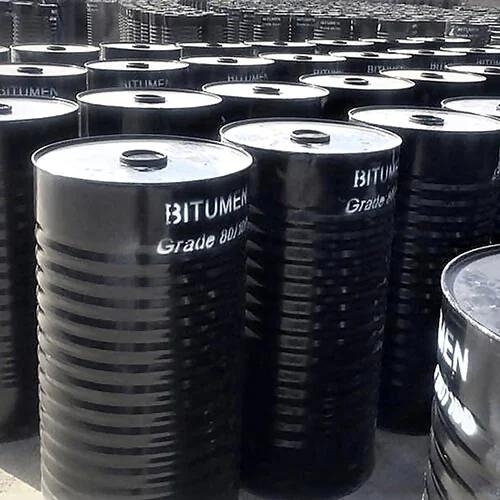
What are the primary Sudan bitumen grades used in road construction?
In Sudan, the most common penetration‑grade binders are 60/70 and 80/100, classified under the Sudan bitumen grades system. These grades meet ASTM D5 and EN 12591 specifications, providing a softening point between 45‑48 °C and a penetration of 60‑70 (0.1 mm) or 80‑100 (0.1 mm). They are the baseline for surface courses, binder courses, and secondary layers in hot‑mix asphalt.
How do penetration grades 60/70 and 80/100 differ in performance?
Both grades exhibit comparable bitumen viscosity grades Sudan at 60 °C, but 60/70 offers lower viscosity (≈ 350 cSt) and higher stiffness, making it ideal for high‑traffic surface layers where rutting resistance is critical. The 80/100 grade, with higher viscosity (≈ 500 cSt) and greater penetration, is preferred for binder courses and lower‑traffic roads where flexibility is needed to accommodate sub‑grade movements.

Why are performance‑grade (PG) binders gaining traction in Sudan?
PG binders (e.g., PG 64‑22, PG 76‑22) are defined by performance at high and low temperatures, aligning with Sudan’s desert‑heat and occasional night‑time cold snaps. The “‑22” modifier reflects the minimum service temperature of –22 °C, ensuring sufficient low‑temperature flexibility while maintaining high‑temperature rutting resistance.
Can polymer modification improve durability of Sudan road construction bitumen?
Polymer‑modified bitumen (SBS or crumb‑rubber) raises the elastic recovery and reduces permanent deformation. Modified binders are increasingly specified for highways and airport pavements, delivering better crack resistance and longer service life, especially in regions with large temperature swings.
| Grade | Penetration (0.1 mm) | Softening Point (°C) | Viscosity @60 °C (cSt) |
|---|---|---|---|
| 60/70 | 60‑70 | 45‑48 | ≈ 350 |
| 80/100 | 80‑100 | 45‑48 | ≈ 500 |
| PG 64‑22 | – | ≈ 55 | ≈ 420 |
Viscosity comparison highlights the higher stiffness of 60/70 relative to 80/100 and PG binders.
For a deeper look at sourcing options and standards compliance, consult the comprehensive bitumen sourcing guide, which outlines testing procedures and supplier qualifications for 2026.
Which Bitumen Testing Standards are Essential for Quality Control in Sudan?
What core laboratory tests guarantee the performance of Sudan bitumen grades?
Every batch of road construction bitumen in Sudan is screened by a set of fundamental tests. The penetration test (ASTM D5, EN 1426) measures hardness at 25 °C, directly influencing the 60/70 and 80/100 grades. The softening point (ASTM D36, EN 1427) indicates temperature susceptibility, while viscosity (ASTM D4402, EN 12697‑7) assesses flow behaviour crucial for pump‑ability. Flash point (ASTM D92) ensures fire safety, and water content (ASTM D6304) prevents premature ageing. Together these results define the bitumen viscosity grades Sudan uses for different climate zones.
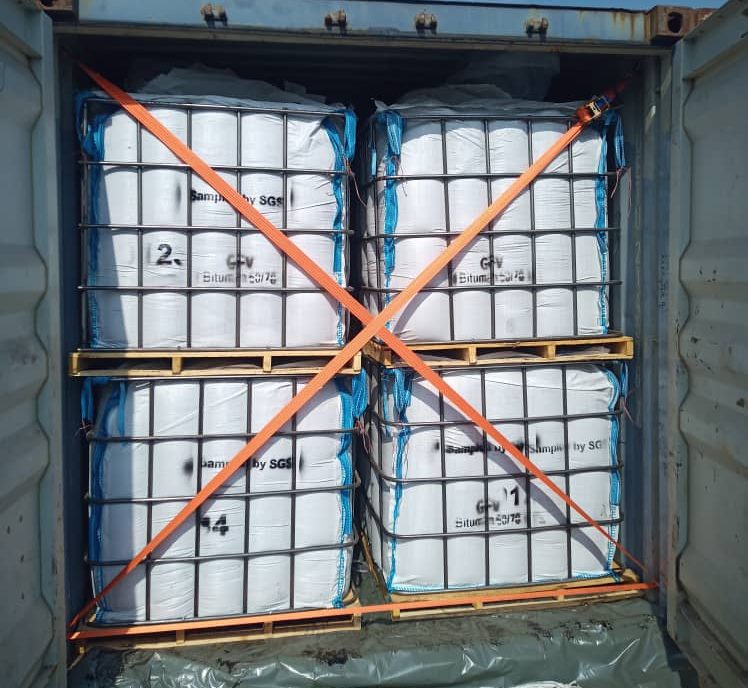
How do adhesion and permeability tests protect waterproofing bitumen applications?
For waterproofing membranes, the ASTM D4541 pull‑off test and EN 12457‑4 water absorption test are mandatory. High adhesion values (>1 MPa) and low permeability (<10⁻⁸ m/s) confirm that the binder will seal joints and resist water ingress, a critical factor for bridge decks and basements.
Which ASTM and EN standards shape the testing framework in Sudan?
Key references include ASTM D5, D36, D4402, D92, D6304 and EN 1426, EN 1427, EN 12697‑7, EN 12457‑4. The scope of each standard outlines specimen preparation, temperature control, and reporting formats, ensuring consistent interpretation across laboratories.
Why is independent laboratory certification indispensable?
Third‑party labs provide unbiased verification, issue certificates of compliance, and maintain traceability from supplier selection to on‑site application. This layer of quality control underpins the confidence of comprehensive road‑bitumen sourcing guide and protects infrastructure investments.
Figure: Representative test value ranges for a common Sudan bitumen grade.
What updates are anticipated for bitumen testing standards in 2026?
Sudan plans to align more closely with the latest EN 12697‑38 moisture susceptibility protocol and adopt ASTM D5778 for polymer‑modified binders. These revisions will tighten limits on water content and enhance durability predictions for high‑traffic corridors.
Maintaining strict quality control throughout the supply chain—from supplier vetting to field application—ensures that Sudan’s road networks receive the most reliable bitumen performance.
Finding a dependable partner for Sudan road construction bitumen in 2026 demands a systematic approach. Suppliers must combine solid reputation, proven technical expertise, consistent product quality, and the logistics backbone to move heavy loads across Sudan’s challenging transport network. Below is a practical roadmap that aligns with the latest market dynamics and regulatory framework.
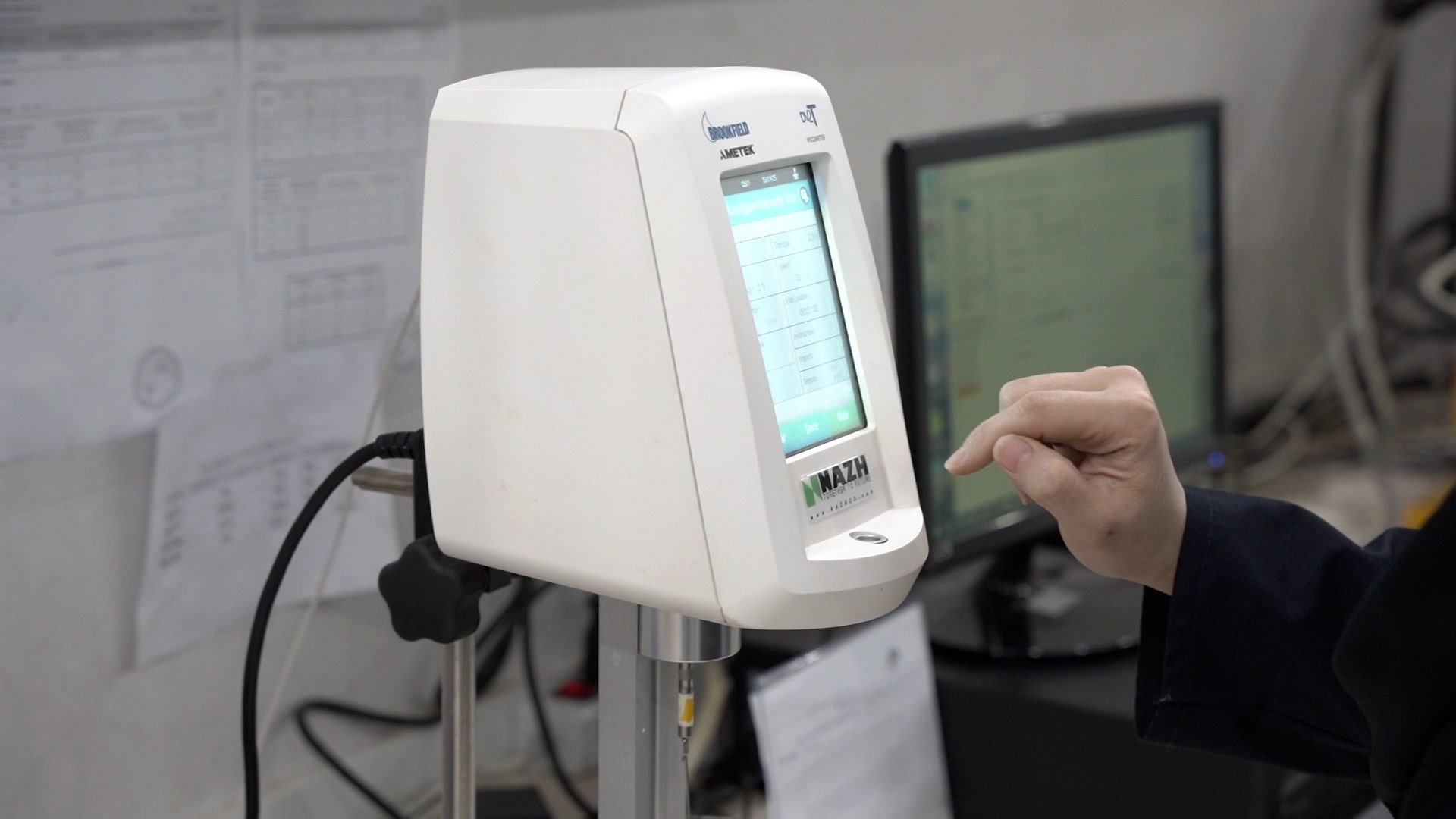
How can you identify trustworthy Sudan bitumen suppliers in 2026?
Start with a reputation audit: review client testimonials, ISO certifications, and any participation in the comprehensive Sudan bitumen sourcing guide. Look for suppliers that have supplied both 60/70 and 80/100 grades for at least three years, as this demonstrates experience with the range of bitumen viscosity grades Sudan uses for waterproofing and highway projects.
What factors drive Sudan bitumen price in 2026?
Pricing is linked to crude oil spot rates, regional supply‑demand balance, and transportation costs from export terminals to Port Sudan. Seasonal road conditions can add a 5‑10 % premium for inland delivery. The chart below visualises the relative impact of each driver.
Proportion of factors affecting the 2026 Sudan bitumen price.
How do you navigate import regulations and payment terms when buying bitumen in Sudan?
The Ministry of Trade requires a pre‑approval certificate and customs clearance within 48 hours of arrival. Most reputable suppliers accept a 30 % advance via irrevocable LC, with the balance payable on sight after verification of the certificate of analysis (COA). Delivery options range from full‑truckload (FTL) to rail‑linked bulk shipments; choose the mode that aligns with your project timeline and site accessibility.
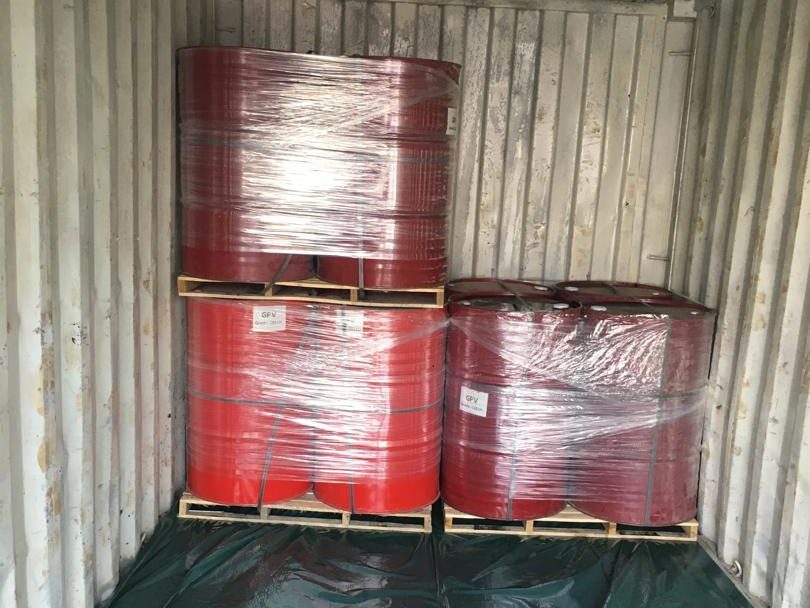
Why do Sudan bitumen grades matter for road construction projects?
Each grade—such as 60/70, 80/100, or modification blends—offers distinct penetration and softening points, influencing durability, crack resistance, and waterproofing performance. Selecting the correct Sudan bitumen grades ensures compliance with bitumen testing standards Sudan and optimizes life‑cycle costs for the pavement.
How can you negotiate favorable contracts and ensure long‑term reliability?
Leverage volume discounts and lock‑in rates against a benchmark oil index. Insist on a quality assurance program that includes quarterly supplier audits and independent lab testing. Companies like Gulf Petro Vision L.L.C specialize in coordinating these elements, offering transparent pricing structures and a track record of on‑time delivery across the region.
PROS
- Established local storage facilities
- ISO‑9001 quality management
- Flexible payment structures
CONS
- Potential port congestion
- Variable inland transport costs
Understanding Sudan bitumen grades and their specific applications is paramount for successful infrastructure projects. This overview detailed critical specifications, supplier landscapes, and anticipated pricing trends for 2026. Gulf Petro Vision L.L.C remains committed to providing reliable bitumen solutions. Contact us today for a tailored quote and expert guidance on selecting the optimal grade for your project.