Bitumen Supplier in Senegal: Prices & Quality Guide
Bitumen Supplier in Senegal is crucial for the nation’s ambitious infrastructure development plans. Senegal is experiencing significant growth in road construction and maintenance, driving demand for high-quality bitumen. Gulf Petro Vision L.L.C, a leading Omani petrochemical provider, offers comprehensive bitumen solutions tailored to meet Senegal’s specific project requirements, ensuring reliable supply and competitive pricing.
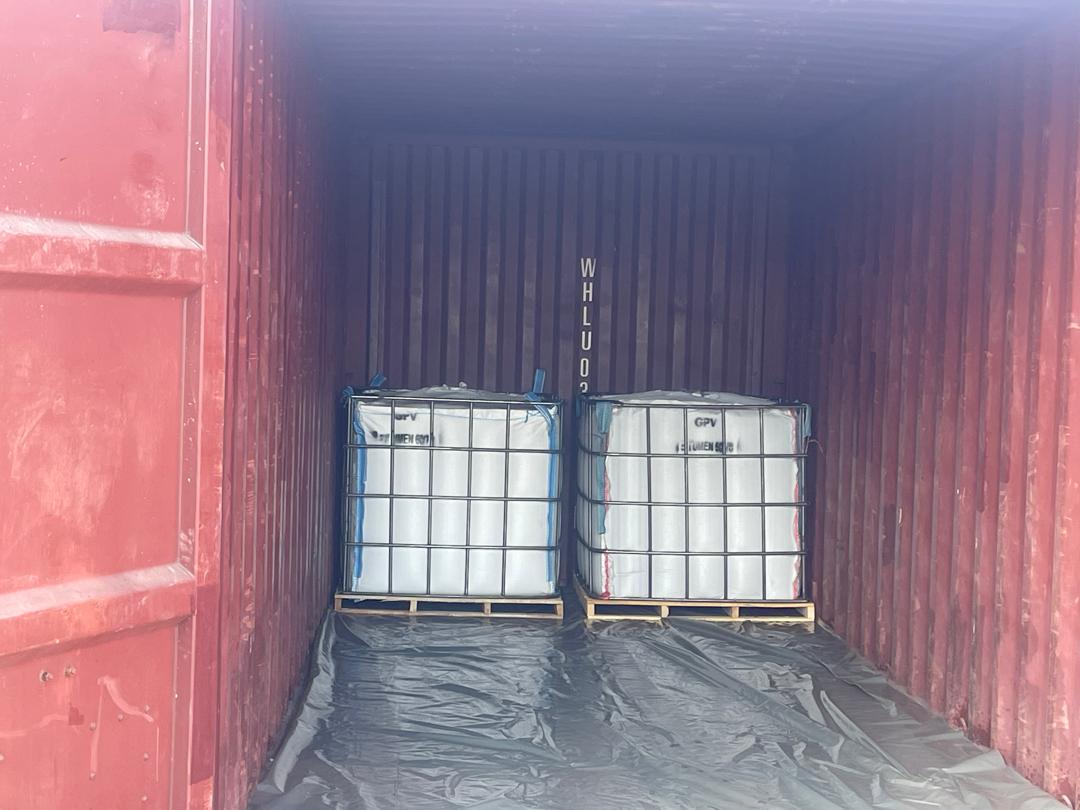
What are the current Senegal bitumen prices and how are they shaped by global oil markets?
Senegal bitumen prices are closely linked to crude oil price movements on international exchanges. When Brent crude rises, the cost of producing and importing bitumen follows suit, driving up the baseline price for road construction materials Senegal relies on. Import duties, which are typically calculated as a percentage of the FOB value, add another predictable layer to the final cost. Seasonal demand spikes—such as the pre‑rainy‑season push for highway resurfacing—further amplify price sensitivity.
How does the Bitumen Supplier in Senegal influence price stability and market trends?
Local distributors act as price stabilizers by securing long‑term contracts with overseas refineries and by managing inventories that buffer short‑term market shocks. A reputable supplier that offers reliable logistics and consistent quality can mitigate the impact of sudden price swings, ensuring that large‑scale projects maintain their budgets without compromising material standards.

Which factors drive price fluctuations for different bitumen grades in Senegal?
Grade 60 and Grade 80 bitumen serve distinct engineering purposes. Grade 60, commonly used for surface courses, is less viscous and generally commands a lower price point than the tougher Grade 80, which is preferred for binder courses and heavy‑duty paving. The price gap between these grades reflects the additional processing steps—such as higher temperature blending and polymer modification—required to achieve the enhanced performance of Grade 80. Procurement decisions therefore balance technical specifications against budget constraints, especially in projects with extensive heavy‑load traffic.
What are the recent historical trends and the forecast for Senegal bitumen prices through 2026?
Over the past five years, Senegal’s bitumen market has experienced modest growth, with average prices moving in tandem with global oil indices while also reflecting domestic policy adjustments such as reduced import tariffs introduced in 2022. Looking ahead to 2024‑2026, analysts anticipate a gradual upward trajectory driven by projected increases in crude oil benchmarks and a growing demand for infrastructure upgrades under national development plans. However, the forecast incorporates a buffer for potential volatility stemming from geopolitical events that could temporarily tighten supply.
Projected average price trend for Senegal bitumen (USD/ton) based on historical data and market outlook.
How do global supply chain disruptions affect bitumen availability and bulk pricing in Senegal?
Port congestions, shipping container shortages, and refinery maintenance outages in key exporting nations can delay deliveries of bulk bitumen Senegal relies upon. Such disruptions elevate freight costs and shorten the window for negotiating favorable terms, which in turn lifts the landed price for end users. Project managers can counteract these challenges by adopting cost‑saving strategies such as pre‑positioning stockpiles, leveraging blended contracts that combine spot purchases with forward‑looking agreements, and selecting suppliers with diversified logistics networks.
| Lower viscosity, easier handling | Higher viscosity, tougher performance |
| Ideal for surface courses | Suitable for binder and heavy‑load layers |
| Generally lower cost per ton | Higher cost due to additional processing |
What bitumen grades dominate Senegal’s road construction market?
In the majority of Senegal infrastructure projects, Grade 60 and Grade 80 petroleum bitumen are the baseline choices. Grade 60, with a penetration range of 55‑65 × 0.1 mm, offers a softer, more workable binder suited to moderate traffic volumes and cooler seasonal periods. Grade 80, penetrating 75‑85 × 0.1 mm, presents a harder, more temperature‑resistant profile, making it the preferred option for high‑speed highways and heavy‑load corridors. Increasingly, designers also specify polymer‑modified bitumen (PMB) when the project demands superior rutting resistance and fatigue performance, especially in coastal zones where temperature swings and moisture are pronounced.
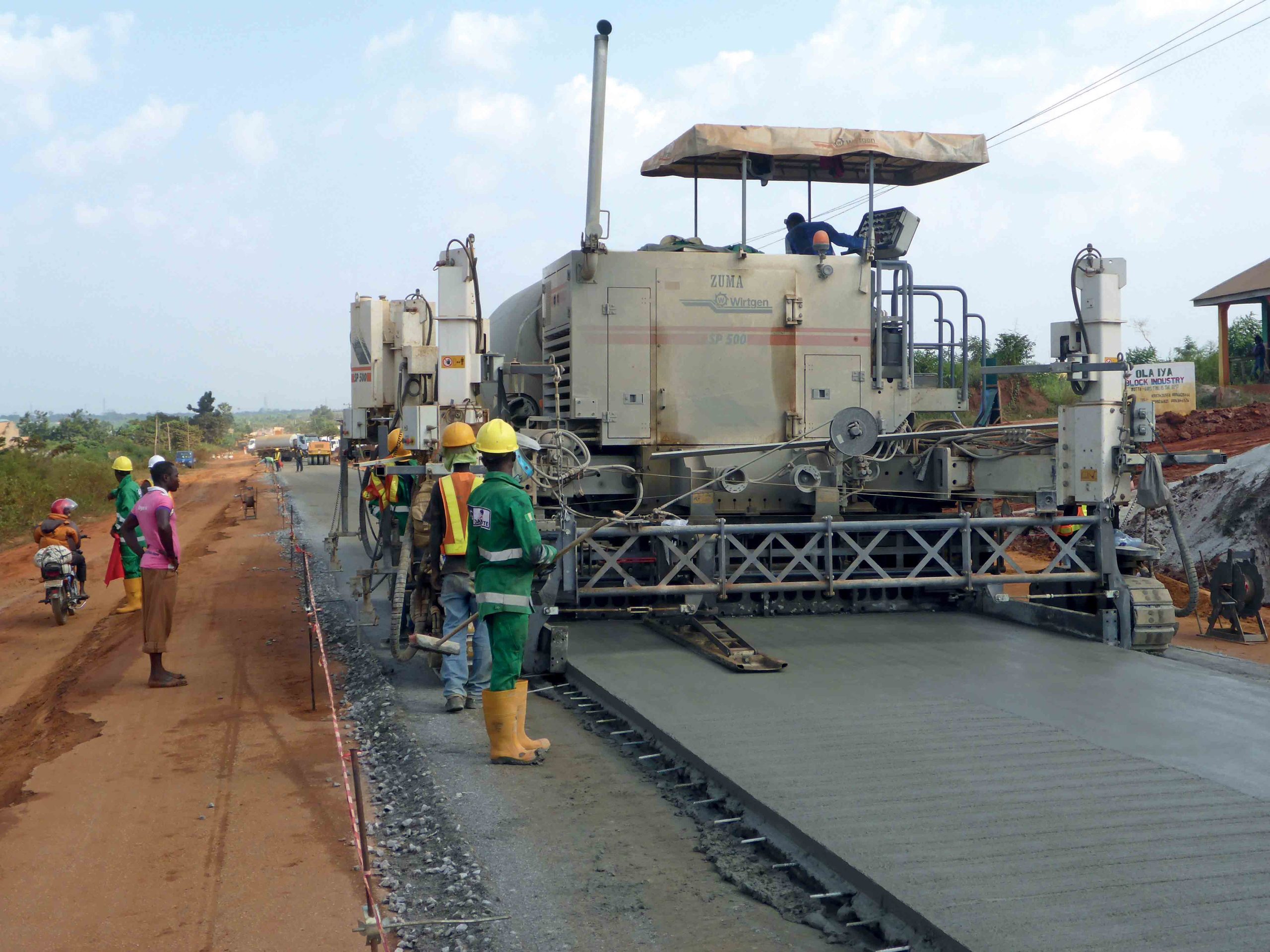
How does Senegal’s rainy season and high temperatures influence bitumen performance?
Senegal experiences a pronounced rainy season from July to October, coupled with average ambient temperatures that often exceed 30 °C. Moisture intrusion during heavy rains can accelerate oxidative aging and promote stripping, where the bitumen loses adhesion to the aggregate. Simultaneously, high temperatures lower the viscosity of softer binders, increasing the risk of permanent deformation (rutting) under repeated traffic loads. Selecting a grade with an appropriate softening point—typically 45‑48 °C for Grade 60 and 48‑51 °C for Grade 80—helps balance workability during placement with resistance to softening when the pavement is exposed to tropical heat.
Which parameters—penetration, softening point, and viscosity—should guide grade selection for different road types?
Penetration indicates binder hardness; a lower value means a harder bitumen, which is less prone to flow under heat. Softening point measures the temperature at which the binder transitions from a semi‑solid to a liquid state, directly affecting rutting susceptibility. Viscosity, measured at 60 °C and 100 °C, reflects the ease of mixing and compaction. For primary arterial roads with heavy freight traffic, a higher softening point and viscosity (often achieved with Grade 80 or PMB) are essential. Conversely, secondary rural roads, where traffic loads are lighter, can safely use Grade 60, benefiting from lower viscosity for easier placement during the cooler evenings of the dry season.

Why consider a Bitumen Supplier in Senegal for modified binders and compliance with the 2026 standards?
The 2026 Senegal bitumen specifications mandate stricter performance criteria for penetration (±5 × 0.1 mm tolerance), softening point (±1 °C), and viscosity (±10 %). Certified suppliers provide detailed testing reports—penetration, ductility, flash point, and aging resistance—ensuring that each batch meets or exceeds these benchmarks. Moreover, specialized suppliers can deliver polymer‑modified blends that incorporate styrene‑butadiene‑styrene (SBS) or crumb rubber, enhancing elasticity and reducing cracking in high‑stress zones such as bridges and interchanges.
Penetration values illustrate hardness differences between common grades.
What are the tangible benefits of using modified bitumen in high‑stress Senegalese projects?
Modified binders improve elasticity, allowing the pavement to recover from repeated loading without permanent deformation. This translates into lower maintenance costs for major highways and coastal expressways where thermal cracking is a persistent threat. Additionally, PMB exhibits superior moisture resistance, mitigating stripping during the rainy season and extending the interval between resurfacing cycles.
PROS
- Enhanced rutting resistance under high temperatures
- Improved fatigue life for heavy traffic corridors
- Better moisture resistance during rainy periods
CONS
- Higher material cost compared with unmodified grades
- Requires precise temperature control during mixing
By aligning grade selection with the climatic realities of Senegal and adhering to the latest national specifications, engineers and project owners can secure durable, cost‑effective pavements that support the country’s ambitious infrastructure agenda.
Securing a steady flow of high‑quality bitumen is the backbone of any large‑scale road construction or infrastructure project in Senegal. From the initial sourcing decision to final delivery at the paving site, each link in the chain must be managed with rigor to avoid costly delays, quality disputes, or budget overruns.
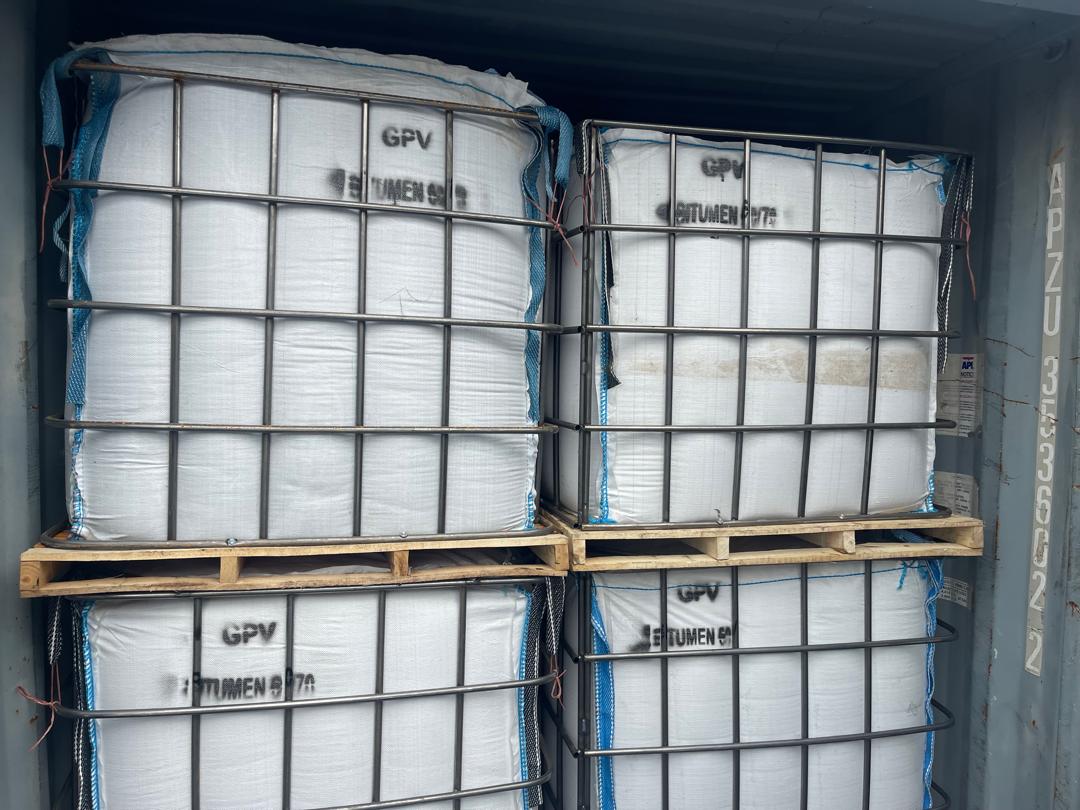
Why does selecting a reputable Bitumen Supplier in Senegal matter?
A supplier with a proven track record across West Africa brings three critical advantages: adherence to Senegal bitumen standards, consistent production of the required grades (such as grade 60 or grade 80), and a transparent testing regime that aligns with local bitumen specifications Senegal 2026. Companies that have successfully delivered bulk bitumen for previous Senegal infrastructure projects bitumen demonstrate their capacity to meet demanding delivery schedules and maintain “best bitumen quality Senegal” throughout the supply period.
What logistical hurdles affect bitumen import Senegal?
Importing bitumen poses unique challenges. The primary entry points—Dakar Port and the newer container facilities in Rufisque—must accommodate temperature‑controlled tankers. Any delay in off‑loading can trigger premature cooling, compromising the material’s viscosity. Once ashore, the road network to interior construction zones is limited, requiring specialized insulated trucks to preserve the hot‑mix state during transit.
Storage infrastructure is another bottleneck. Asphalt‑compatible tanks with heating coils are scarce, and shared depots often suffer from overcrowding, leading to queue times that extend total lead time by several weeks.
Typical delay components for bulk bitumen imports.
How can risk‑mitigation strategies safeguard the supply chain?
Effective risk management blends contractual, operational, and strategic levers:
- Negotiate long‑term supply agreements that lock price indices and volume commitments, reducing exposure to market volatility.
- Diversify the supplier base across at least two reputable sources in the Gulf and North Africa, ensuring fallback options if one line is disrupted.
- Implement real‑time temperature and location monitoring on tankers, allowing proactive adjustments to delivery routes.
- Invest in on‑site heated storage tanks or mobile heating units to bypass congested depots.
PROS
- Greater resilience to port strikes or geopolitical shifts.
- Enhanced bargaining power with suppliers.
- Improved compliance with road construction materials Senegal specifications.
CONS
- Higher upfront contractual complexity.
- Potentially increased logistics coordination effort.
What role does Gulf Petro Vision L.L.C play in delivering a dependable supply?
Gulf Petro Vision L.L.C stands out as a regional leader in the bitumen for road paving Senegal market. With dedicated heated tankers, a certified testing laboratory, and a track record of supplying grade‑60 and grade‑80 asphalt for multiple national highway upgrades, the company offers a “one‑stop” solution that aligns with both the technical and logistical requirements of Senegal’s road projects. Their long‑term contracts feature built‑in volume flex‑options, allowing developers to scale up or down without renegotiating core terms.
By partnering with a trusted provider such as Gulf Petro Vision, project owners can focus on engineering excellence while the supplier guarantees that the bitumen arrives on schedule, at the correct temperature, and fully compliant with the latest Senegal road maintenance bitumen standards.

Why are Senegal Bitumen Standards & Testing Crucial for Road Quality?
Senegal’s expanding highway network and coastal infrastructure demand a material that can withstand tropical heat, heavy loads, and seasonal rains. Bitumen that complies with the national standards—outlined in the Senegal bitumen specifications Senegal 2026—provides the necessary resilience, reduces lifecycle costs, and protects public safety. For contractors and Bitumen Supplier in Senegal, adherence is not optional; it is the baseline for contract eligibility on every Senegal infrastructure projects bitumen tender.
What role does a Bitumen Supplier in Senegal play in meeting national specifications?
A reputable supplier must verify that each shipment matches the required grade (commonly grade 60 or grade 80 Senegal) and that the product’s physical properties align with the bitumen specifications Senegal 2026. This involves:
- Obtaining a certified mill test report for every batch.
- Ensuring proper storage temperature controls to prevent oxidation.
- Coordinating with independent labs for confirmatory testing before delivery to the construction site.
Which laboratory tests confirm that bitumen meets Senegal’s performance criteria?
Four core tests are mandated:
- Penetration test: Measures hardness at 25 °C. Values typically range from 50 to 80 0.1 mm for grade 60, indicating suitability for high‑temperature zones.
- Softening point (Ring‑and‑Ball): Determines the temperature at which the bitumen becomes pliable. A minimum of 110 °C is required for most road‑paving applications.
- Ductility: Assesses elongation capacity at 10 °C. Minimum ductility of 30 cm ensures resistance to cracking under thermal stress.
- Flash point: Guarantees safe handling; a minimum of 220 °C is stipulated to reduce fire hazards during mixing.
Chart shows standard test ranges for grade 60 bitumen used in Senegal’s highways.
How do independent laboratories ensure compliance with Senegal bitumen standards?
Accredited labs—such as the Institut Sénégalais de Normalisation—operate under ISO/IEC 17025 protocols. They provide:
- Blind sampling of each delivery to prevent bias.
- Digital traceability of test results linked to batch numbers.
- Rapid reporting (typically within 48 hours) to keep construction schedules on track.
These labs function as the third‑party gatekeeper, confirming that the bitumen for road paving Senegal meets both the technical spec and the environmental requirements set by the Ministry of Infrastructure.
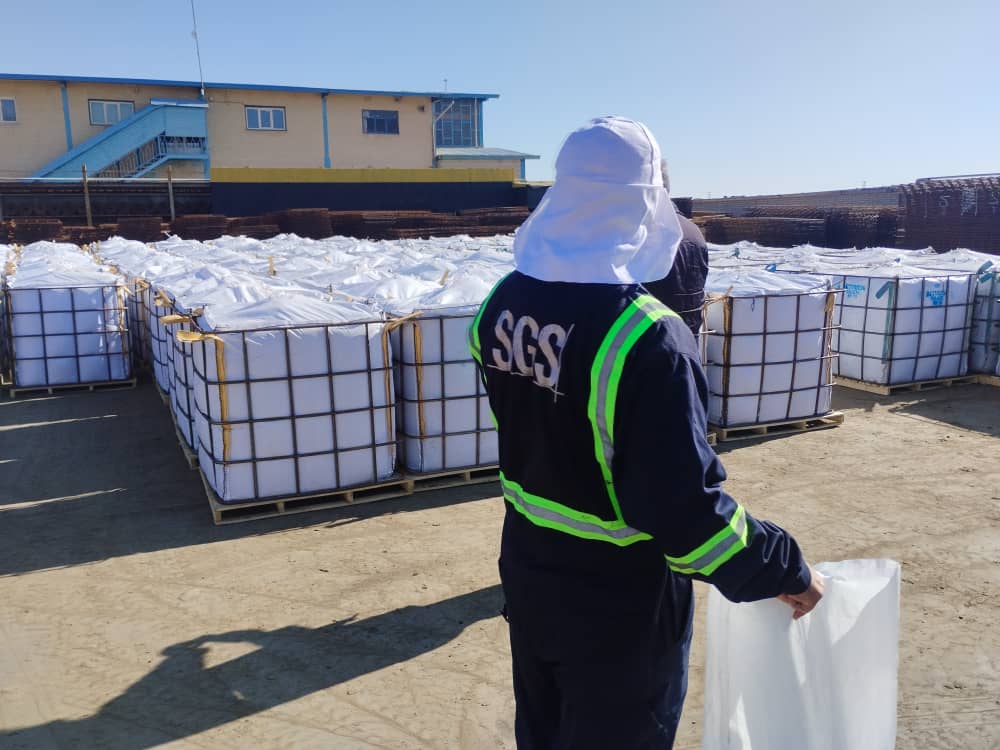
What are the risks of using substandard bitumen in Senegal’s road projects?
When specifications are ignored, the consequences manifest quickly:
- Premature rutting and cracking, leading to costly re‑paving within 3‑5 years.
- Increased Senegal road maintenance bitumen budgets, diverting funds from new projects.
- Safety hazards for motorists due to uneven surfaces and potholes.
- Legal penalties for contractors who breach the Senegal road project bitumen requirements.
PROS of strict compliance
- Extended pavement lifespan
- Reduced maintenance cycles
- Enhanced project reputation
CONS of non‑compliance
- Higher life‑cycle costs
- Potential contract forfeiture
- Negative environmental impact
By partnering with a reliable source of bulk bitumen Senegal and leveraging independent bitumen testing Senegal facilities, developers can assure that every kilometer of road delivers the performance demanded by modern infrastructure standards.

What is the relationship between a Bitumen Supplier in Senegal and asphalt suppliers Senegal?
In Senegal’s road construction ecosystem, the Bitumen Supplier in Senegal serves as the foundational source of the binder that transforms aggregates into durable asphalt mixes. Bitumen suppliers procure, test, and deliver bulk bitumen—often grade 60 or grade 80—to asphalt manufacturers, who then blend the binder with locally sourced aggregates, mineral fillers, and additives. This partnership ensures that the final product meets the stringent Senegal bitumen standards while aligning with the logistical realities of road construction materials Senegal supply chains. Reliable bitumen supply is especially critical for large‑scale Senegal infrastructure projects bitumen where schedule adherence can hinge on a steady flow of high‑quality binder.
How does bitumen become the heart of asphalt mixes for road paving Senegal?
Once delivered, the bitumen undergoes temperature conditioning before entering the mixing plant. Here, asphalt suppliers blend the hot binder with crushed stone, sand, and fine aggregates in precise proportions dictated by the mix design—typically ranging from 4% to 7% binder by weight. The resulting hot mix is then transported to the construction site, where it is laid and compacted while still above 140°C to achieve optimal density and durability. The entire process—from bitumen sourcing Senegal to final paving—relies on strict quality controls to prevent issues such as rutting, cracking, or premature fatigue.

Which asphalt mixes are most common in Senegal, and where are they applied?
Senegal’s climate and traffic patterns have led to the adoption of several standard mix types:
- Dense‑graded mixes (SMA) – Used on major highways and freight corridors where high load resistance and rut resistance are essential.
- Open‑graded friction courses (OGFC) – Applied as surface layers on inter‑urban roads to improve water drainage and reduce hydroplaning risk.
- Stone‑matrix asphalt (SMA‑S) – Preferred for airport runways and industrial zones because of its superior load‑bearing capacity.
Each mix’s performance hinges on the consistency of the binder, making the role of the bitumen supplier in delivering best bitumen quality Senegal indispensable.
Why is quality control essential throughout the asphalt production process?
Quality control begins with rigorous bitumen testing Senegal procedures, including penetration, softening point, and viscosity assessments that verify compliance with the 2026 bitumen specifications Senegal 2026. During mixing, real‑time temperature monitoring and blend uniformity checks ensure that the binder integrates seamlessly with aggregates. Post‑laying, core sampling and density measurements confirm that the pavement meets design tolerances. Any deviation can compromise structural integrity, leading to costly maintenance—especially for Senegal road maintenance bitumen programs.
Production capacity comparison between traditional batch plants and modern continuous flow facilities.
What technical support do asphalt suppliers provide to road construction companies?
Beyond delivering mixes, asphalt suppliers act as technical consultants. They assist engineers in tailoring mix designs to meet specific project requirements, advise on temperature management for optimal compaction, and offer on‑site supervision during paving operations. Their expertise also extends to recommending appropriate binder modifications—such as polymer or crumb‑rubber enhancements—to improve performance under Senegal’s high temperatures and heavy traffic loads. This collaborative approach helps contractors achieve compliance with Senegal road project bitumen requirements while minimizing risk and ensuring sustainable pavement longevity.
Gulf Petro Vision L.L.C. has become a pivotal partner for developers, contractors, and government agencies navigating the complex landscape of Senegal’s asphalt market. By merging deep industry knowledge with a robust logistical framework, the firm delivers a seamless end‑to‑end solution that covers everything from market intelligence to on‑time bulk deliveries.

How Does Gulf Petro Vision L.L.C. Support Bitumen Sourcing in Senegal?
Operating across the West African corridor, Gulf Petro Vision leverages real‑time data on Senegal bitumen prices and regional demand trends to advise clients on optimal procurement windows. Their in‑house market analysis team continuously monitors regulatory shifts, import tariffs, and supply chain disruptions, enabling proactive adjustments that safeguard project timelines and budgets.
What expertise does Gulf Petro Vision bring as a Bitumen Supplier in Senegal?
The company’s core competency lies in its integrated trading platform, which connects upstream producers with downstream users through a transparent pricing matrix. Certified engineers conduct rigorous bitumen testing in compliance with Senegal bitumen standards, ensuring each batch meets the required penetration, softening point, and viscosity specifications. This quality‑first approach positions Gulf Petro Vision as a reliable source for road construction materials Senegal projects demand.

Which bitumen grades are offered and why are they suitable for Senegal road maintenance?
Gulf Petro Vision supplies a full spectrum of grades, most notably Grade 60 and Grade 80. Grade 60 (penetration 60/70) is ideal for hot‑mix applications on secondary and rural roads, offering flexibility in varying temperature regimes. Grade 80 (penetration 80/100) provides enhanced stiffness, making it perfect for heavy‑load corridors and urban arteries where durability is paramount. Both grades comply with the latest bitumen specifications Senegal 2026, delivering the performance needed for long‑term road resilience.
Annual delivered volume of each grade to Senegal projects.
How does the company ensure competitive pricing and reliable delivery?
Through strategic port agreements in Dakar and a fleet of temperature‑controlled tankers, Gulf Petro Vision guarantees that bulk bitumen reaches construction sites without degradation. Their pricing model incorporates real‑time market data, offering transparent and competitive rates while accounting for transport, storage, and handling costs. Clients benefit from a single point of contact that coordinates customs clearance, documentation, and on‑site dispatch, minimizing administrative overhead.

What are the proven successes in Senegal infrastructure projects?
Several flagship initiatives illustrate the firm’s impact:
- Supply of 1.5 million kL of Grade 60 for the Dakar‑Bamako corridor, meeting strict timelines for the 2025‑2027 expansion.
- Delivery of 800 kL of Grade 80 for the coastal highway rehabilitation, enhancing load‑bearing capacity in high‑traffic zones.
- Technical support for the Ministry of Transport’s pilot program on modified bitumen, integrating polymer additives to extend pavement life.
These case studies underscore Gulf Petro Vision’s commitment to delivering best bitumen quality Senegal stakeholders require, reinforcing its reputation as a top‑tier asphalt supplier in the region.
Securing a dependable Bitumen Supplier in Senegal is paramount for successful infrastructure projects. Gulf Petro Vision L.L.C stands as a trusted partner, delivering quality products and expert support. As Senegal continues to invest in its roadways and infrastructure, we remain committed to providing innovative bitumen solutions. Contact us today to discuss your project needs and experience the Gulf Petro Vision difference.