Bitumen Consumption in Senegal (2024–2025): A Comprehensive Market Analysis
Bitumen plays a foundational role in Senegal’s infrastructure development, serving as a critical binding material for road construction, urban expansion, and industrial waterproofing. As Senegal continues to strengthen its transport corridors, modernize urban centers, and expand regional connectivity, bitumen consumption has become a key indicator of construction activity and economic momentum.
Between 2024 and 2025, the Senegalese bitumen market evolved significantly in response to infrastructure investment, government policy, and logistical realities. This guide provides an authoritative, SEO-optimized analysis of the market, comparing demand trends, examining popular bitumen grades like 60/70 and 80/100, and outlining the strategic role of suppliers like Gulf Petro Vision.
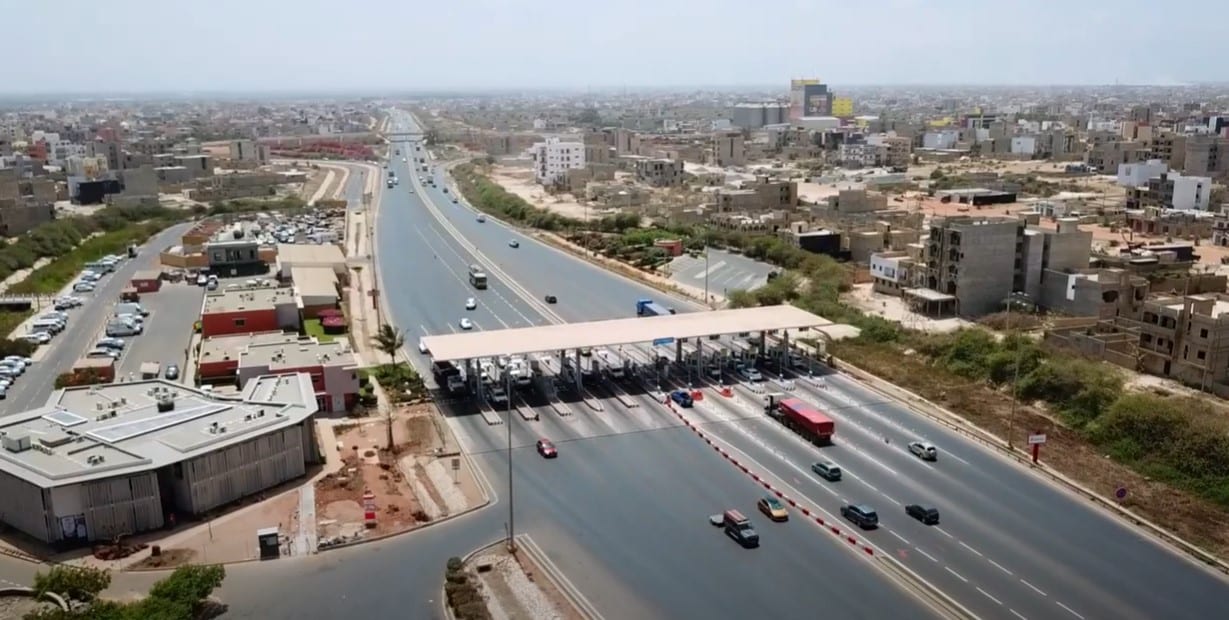
1. Overview of Senegal’s Bitumen Market
Senegal as a Net Bitumen Importer
Senegal does not produce bitumen in sufficient quantities to meet its domestic demand. While the country possesses refining capacity for various petroleum products, its bitumen supply relies predominantly on international imports. This makes global trade relationships and maritime logistics essential to market stability.
Bitumen imports in Senegal primarily support:
-
National and Regional Road Construction: Building the backbone of the “Plan Sénégal Émergent” (PSE).
-
Urban Development: Expanding the road networks in Dakar, Diamniadio, and Thiès.
-
Maintenance & Rehabilitation: Repairing aging asphalt to prevent structural failure.
-
Waterproofing: Protecting industrial and residential buildings from coastal humidity.

2. Bitumen Consumption in Senegal: 2024 Analysis
Market Conditions and Demand Drivers
In 2024, consumption was driven by the aggressive expansion of transport corridors. The government prioritized connecting inland agricultural regions to the Port of Dakar.
Key 2024 Drivers Included:
-
National Road Improvement Programs: Massive paving projects for rural connectivity.
-
Urban Modernization: Increasing asphalt demand for Dakar’s “Bus Rapid Transit” (BRT) and related infrastructure.
-
Regional Integration: Projects linking Senegal with Mali and The Gambia.
Import Patterns and Supply Structure
In 2024, Senegal sourced its bitumen from a diverse group of exporters to mitigate supply chain risks. Major origins included:
-
The Middle East: High-volume shipments from the UAE and Iran.
-
Europe: Premium grades from the Mediterranean region (Spain and Italy).
-
Regional Hubs: Selective sourcing from Ivory Coast refineries.
3. Bitumen Consumption in Senegal: 2025 Evolution
Infrastructure-Led Demand Continuity
In 2025, the market shifted from “surge growth” to “structural stability.” The focus moved toward the completion of multi-year mega-projects. The 2025 finance bill reflected this by allocating significant funds to transport infrastructure.
Strategic Shifts in 2025:
-
High-Volume Procurement: Shift from transactional buying to long-term supply contracts.
-
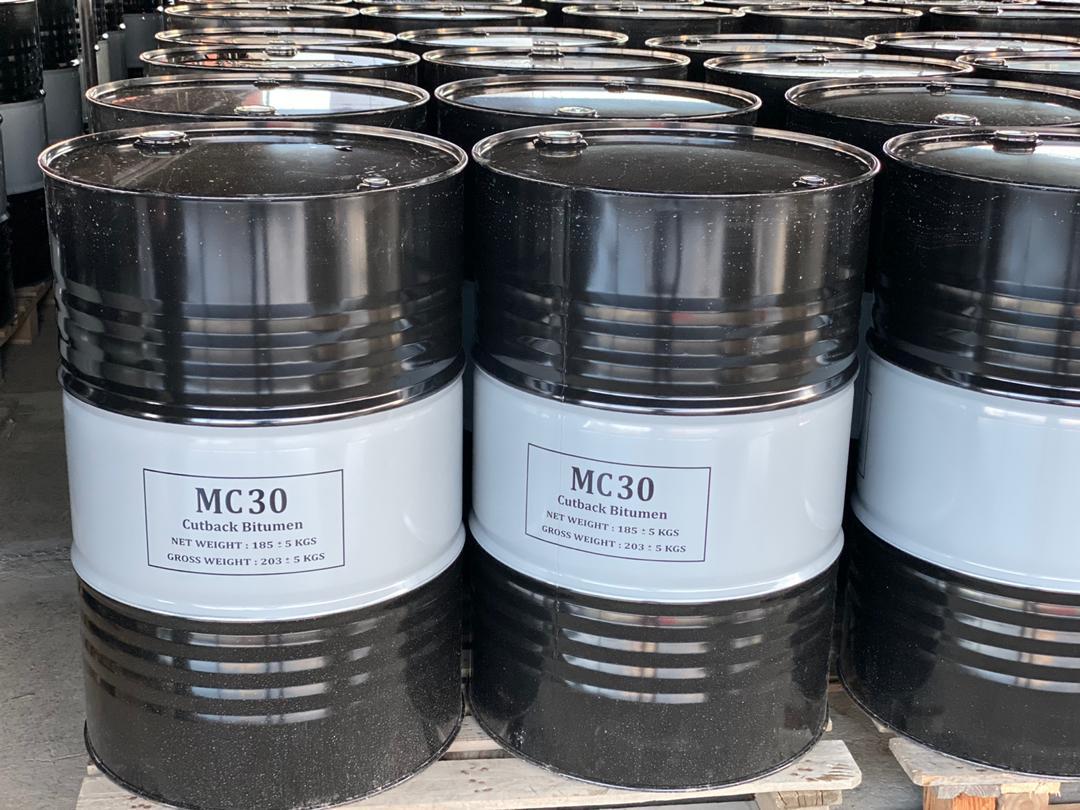
Technological Adoption: Increased interest in Polymer Modified Bitumen (PMB) for high-stress zones.
-
Private Sector Growth: Commercial zones and private real estate projects contributed more significantly to the consumption mix.

Comparison: 2024 vs. 2025 Bitumen Consumption
| Indicator | 2024 (Market State) | 2025 (Forecast/Trends) |
| Overall Demand | Stable | Slightly Higher (+4.5%) |
| Import Dependency | High (95%+) | High (95%+) |
| Project Focus | New National Highways | Urban Congestion & Maintenance |
| Grade Diversity | Standard 60/70 | Increasing PMB & Emulsions |
| Pricing | Volatile (Crude-linked) | Stabilizing at $450-$500/MT |
4. Popular Bitumen Grades Used in Senegal
The Senegalese climate—characterized by intense heat, high coastal humidity, and distinct rainy seasons—dictates specific grade requirements.
Bitumen Penetration Grade 60/70
This is the “Gold Standard” for Senegal. It strikes the perfect balance between hardness and flexibility, making it ideal for the tropical climate.
-
Usage: Highways, inter-city roads, and heavy-duty urban streets.
-
Benefit: Resists rutting under high temperatures.
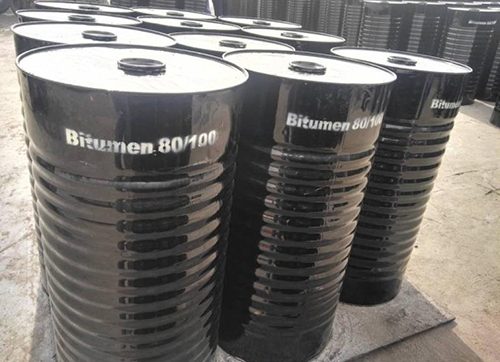
Bitumen Penetration Grade 80/100
A softer grade often used in cooler regions or for specific pavement layers.
-
Usage: Light-traffic roads, rural paths, and as a base for emulsions.
-
Benefit: Superior flexibility prevents cracking in secondary road networks.
Bitumen Penetration Grade 40/50
The hardest standard grade used for extreme conditions.
-
Usage: Airport runways, heavy industrial parking lots, and high-stress intersections.
-
Benefit: Maximum resistance to deformation under heavy axle loads.
5. Specialized Bitumen Products & Applications
Bitumen Emulsions
In 2025, the use of Bitumen Emulsions (Cationic & Anionic) increased for:
-
Tack Coats: Ensuring the bond between asphalt layers.
-
Surface Dressing: Cost-effective maintenance for rural roads.
-
Cold Mix Asphalt: Allowing for repairs during the rainy season without the need for high-heat equipment.
Oxidized Bitumen
Mainly used in the industrial sector for:
-
Roofing Membranes: Protecting buildings from Senegal’s intense sunlight.
-
Pipe Coating: Preventing corrosion in underground water and gas lines.

6. Key Ports and Logistics: The Lifeblood of Supply
The Port of Dakar
The Port of Dakar remains the primary gateway. Its deep-water access allows for large bulk bitumen tankers (8,000–15,000 MT) to discharge directly into storage terminals.
Logistics Challenges in 2024-2025
-
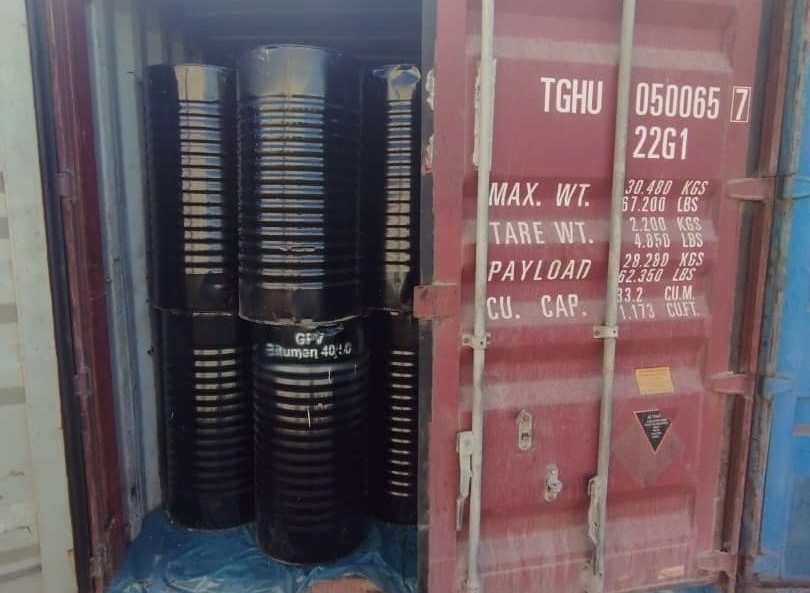
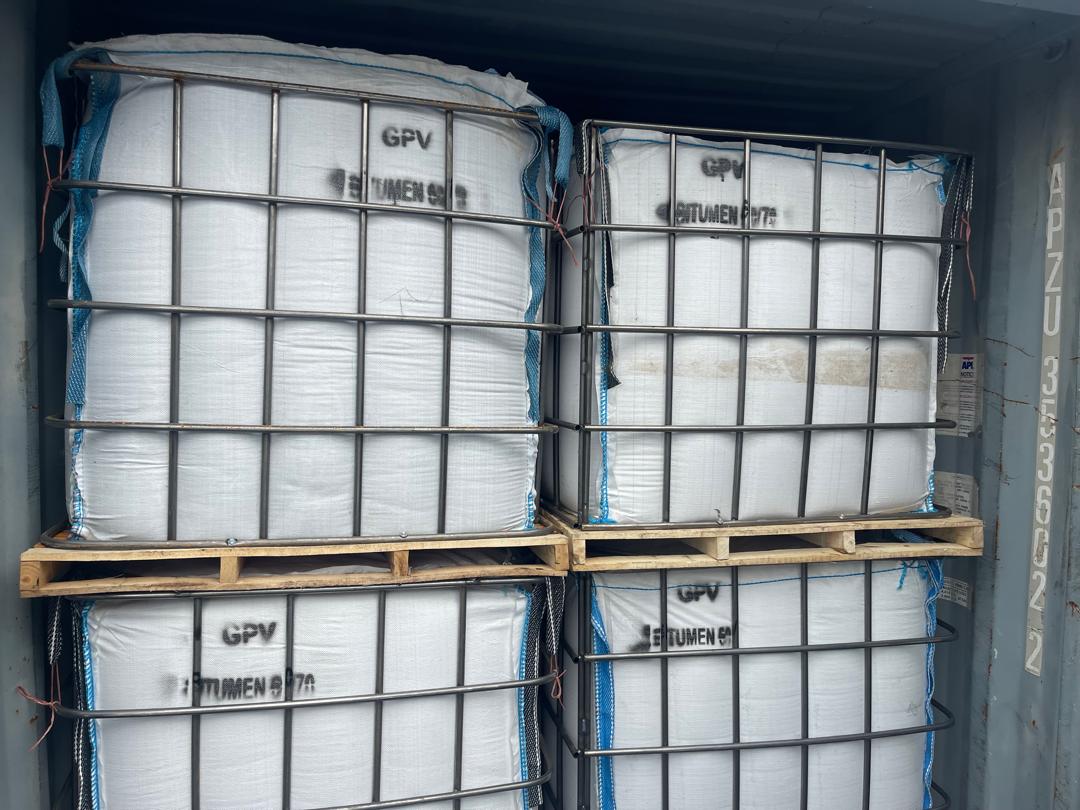
Storage Constraints: Limited shore-tank capacity often leads to reliance on drummed bitumen and Jumbo Bags.
-
Inland Transport: Moving heated bitumen to the interior (e.g., toward the Mali border) requires specialized insulated tankers.

7. Major Infrastructure Projects Driving Demand
Dakar Urban Expansion
The transformation of the Cap-Vert Peninsula requires massive asphalt volumes for:
-
The Dakar-Tivaouane-Saint Louis Highway.
-
The expansion of the Diamniadio Industrial Zone.
Regional Corridors
Senegal’s role as a transit hub for landlocked Mali means road durability is paramount. The corridors linking Kidira and Tambacounda are primary consumption centers for high-grade Bitumen 60/70.

8. Gulf Petro Vision: A Strategic Partner for Senegal
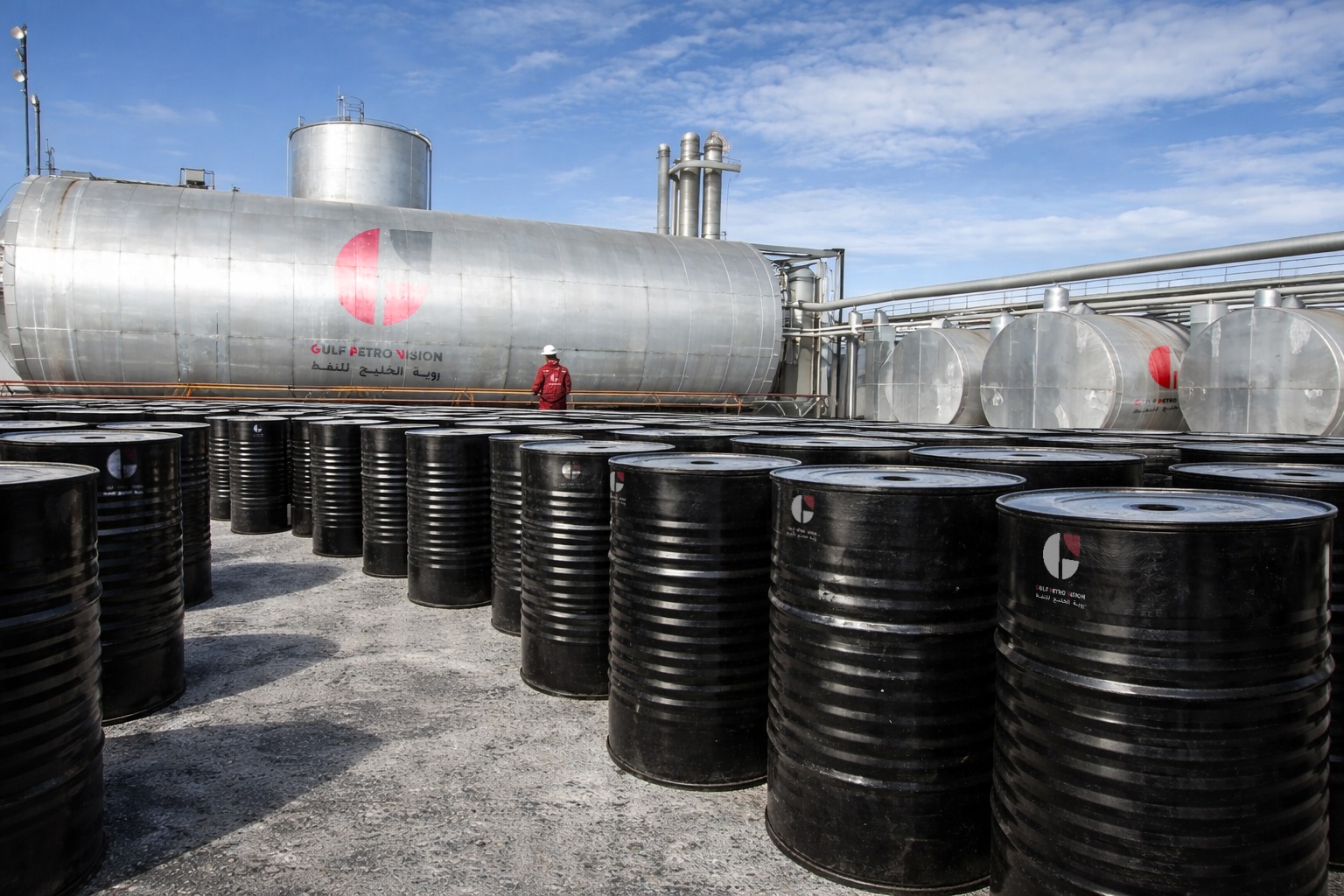
As a leading global supplier, Gulf Petro Vision has established itself as a reliable backbone for Senegal’s construction industry.
Why Contractors Choose Gulf Petro Vision:
-
Quality Assurance: All bitumen grades (60/70, 80/100, 40/50) meet international ASTM and EN standards.
-
Logistical Expertise: Specializing in both Bulk Vessel and Drummed/BituBag shipments to the Port of Dakar.
-
Climate-Adapted Solutions: Providing specialized binders that withstand West Africa‘s high-temperature cycles.
-
Supply Reliability: Maintaining a consistent flow of product even during global refinery maintenance periods.
“Gulf Petro Vision’s commitment to the African market ensures that Senegalese contractors can complete projects on time without facing the shortages that often plague the region.”
9. Market Outlook: Beyond 2025
The future of bitumen in Senegal is bright, with a projected CAGR of 4-5% through 2030.
Emerging Trends to Watch:
-
Sustainability: Increasing interest in Warm Mix Asphalt (WMA) to reduce CO2 emissions during paving.
-
Recycled Asphalt Pavement (RAP): A move toward circular economy practices in road maintenance.
-
Enhanced Performance Grades (PG): Moving toward PG-graded bitumen to better manage the specific temperature fluctuations in the Sahel.
10. Conclusion
Bitumen consumption in Senegal between 2024 and 2025 reflects a maturing market focused on high-quality, durable infrastructure. While Bitumen 60/70 remains the dominant choice, the diversification into PMBs and emulsions shows a technical evolution in the local construction sector.
For stakeholders ranging from government agencies to private contractors, securing a reliable supply chain is the most critical factor for success. Partners like Gulf Petro Vision provide the necessary bridge between global production and local development, ensuring that Senegal stays on the path toward its 2030 infrastructure goals.