Bitumen Consumption in Rwanda: Market Growth, Imports, Suppliers, and Infrastructure Outlook (2024–2026)
Rwanda is undergoing one of the most ambitious infrastructure transformations in Sub-Saharan Africa. Driven by Vision 2050 and the National Strategy for Transformation (NST1), the country is rapidly shifting from gravel and low-capacity roads to modern asphalt highways capable of supporting regional and international trade. As a result, bitumen consumption in Rwanda has reached historic levels.
This in-depth, SEO-driven report analyzes bitumen demand in Rwanda, import and re-export trends, logistics infrastructure, packaging preferences, modern asphalt technologies, and the growing role of international suppliers such as Gulf Petro Vision. It also provides forward-looking insights into how Rwanda’s bitumen market will evolve through 2026.
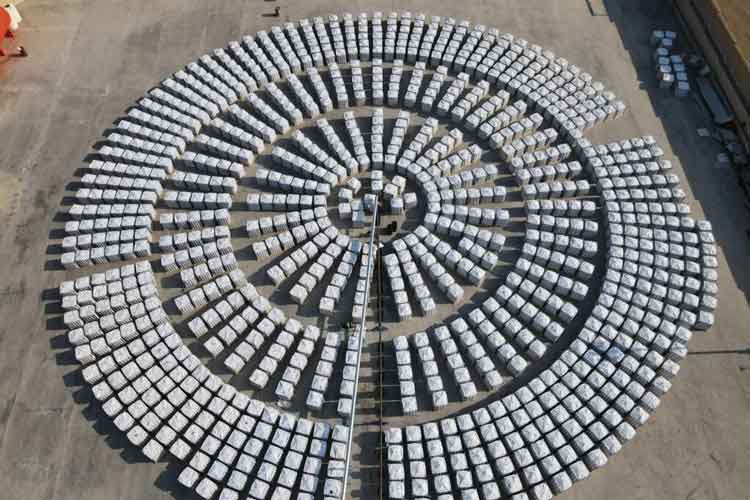
Rwanda Infrastructure Boom and Its Impact on Bitumen Demand
Vision 2050 and Road Network Expansion
Rwanda’s Vision 2050 focuses on transforming the country into a middle-income economy with world-class infrastructure. A cornerstone of this vision is road connectivity—both within Rwanda and across the Great Lakes Region.
Over the past five years, the government has prioritized:
-
Paving national and district roads
-
Expanding highways linking Rwanda to Tanzania, Uganda, and the DRC
-
Upgrading urban roads in Kigali and secondary cities
These initiatives have directly increased bitumen consumption in Rwanda, as asphalt roads replace gravel surfaces that require frequent maintenance.
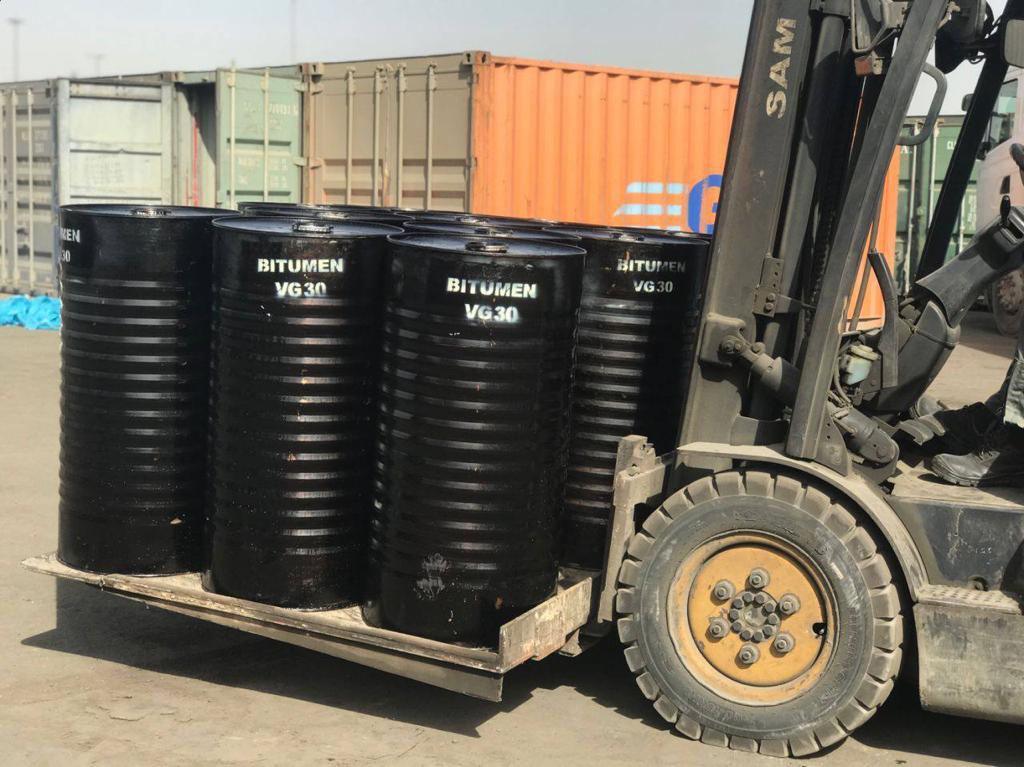
Growth in Bitumen Consumption (2023–2024)
In 2023 and 2024, Rwanda recorded a double-digit increase in bitumen usage, driven by large public and private infrastructure projects. According to industry estimates, bitumen consumption grew by approximately 12% year-on-year in 2024.
Key drivers include:
-
The Nyacyonga–Mukoto road project (36 km)
-
Widening of the Karongi–Muhanga corridor
-
New urban ring roads in Kigali
-
Cross-border trade corridors to Goma and Bukavu (DRC)
Unlike earlier years, consumption is no longer concentrated only in Kigali. Secondary cities such as Musanze, Rubavu, Huye, and Nyagatare are now major consumers of asphalt and bitumen products.
Bitumen Consumption in Rwanda: Market Characteristics
Why Bitumen Is Essential to Rwanda’s Economy
Bitumen is not just a construction material in Rwanda—it is a strategic economic input. Asphalt roads:
-
Reduce logistics costs
-
Improve agricultural market access
-
Support tourism and mining
-
Strengthen Rwanda’s role as a regional transit hub
As traffic volumes increase, Rwanda has also moved toward thicker asphalt concrete layers, which require higher-quality bitumen grades and greater overall tonnage.

Shift Toward Long-Life Pavements
Modern Rwandan road designs now target 20–25 year lifespans, compared to 10–12 years in the past. This change has significantly increased:
-
Bitumen usage per kilometer
-
Demand for performance-based bitumen grades
-
Quality control requirements

Rwanda Bitumen Imports: Supply Chain and Trade Routes
Why Rwanda Depends on Bitumen Imports
Rwanda is a landlocked country with no domestic oil refinery, meaning 100% of its bitumen supply is imported. Bitumen enters Rwanda through regional ports before being transported by road to dry ports and construction sites.
Main Import Routes for Bitumen in Rwanda
The primary supply corridors include:
-
Port of Dar es Salaam (Tanzania) – the most important entry point
-
Port of Mombasa (Kenya) – secondary route
-
Occasional sourcing via UAE and Oman traders
From these ports, bitumen is transported by truck to Rwanda’s logistics hubs.
Rwanda Bitumen Import Trends (2023 vs. 2024)
In 2023, Rwanda imported bitumen primarily from:
-
European suppliers
-
UAE-based traders
-
Regional East African partners
By 2024:
-
Total import value increased by over 20%
-
Suppliers from Oman, Turkey, and the Middle East gained market share
-
Price volatility was reduced through diversified sourcing
This diversification has made Rwanda’s bitumen market more resilient to global oil price fluctuations.

Rwanda Bitumen Export and Re-Export Market
Rwanda as a Regional Transit Hub
Although Rwanda does not produce bitumen, it plays a critical re-export role in Central and East Africa. The country serves as a gateway for bitumen distribution to the eastern Democratic Republic of Congo (DRC).
Bitumen Re-Exports to the DRC
In 2024:
-
Over 95% of Rwanda’s mineral fuel re-exports went to the DRC
-
Cities such as Goma and Bukavu relied heavily on Rwandan supply routes
-
Re-export volumes increased by approximately 11%
This re-export activity has:
-
Strengthened Rwanda’s logistics sector
-
Created value-added services such as storage, customs clearance, and repackaging
-
Increased demand for drums and jumbo bags
Gulf Petro Vision: A Leading Bitumen Supplier in Rwanda
Strategic Role of Gulf Petro Vision
Gulf Petro Vision has emerged as one of the most reliable bitumen suppliers in Rwanda, leveraging its base in Oman to supply high-quality bitumen to East and Central Africa.
The company’s success in Rwanda is driven by:
-
Consistent product quality
-
Competitive pricing
-
Strong logistics coordination
-
Compliance with Rwanda Standards Board (RSB) specifications
Product Portfolio for the Rwandan Market
As a trusted bitumen supplier in Rwanda, Gulf Petro Vision offers:
Penetration Grade Bitumen
-
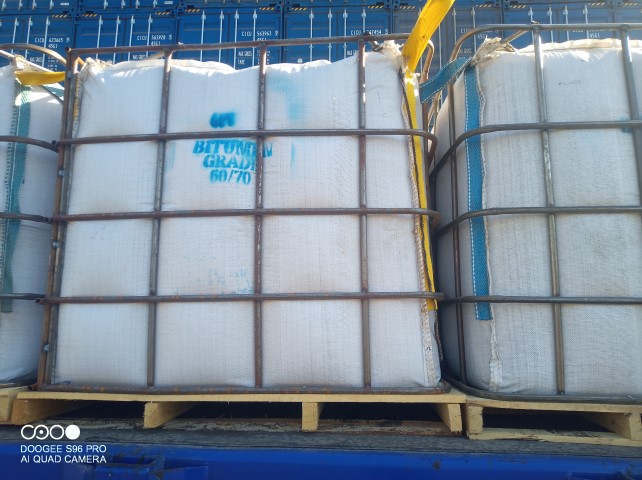
60/70 – standard road paving
-
80/100 – lower traffic and cooler regions
Viscosity Grade Bitumen
-
VG-10 – surface dressing
-
VG-30 – heavy traffic highways and urban roads
Specialized Bitumen Products
-
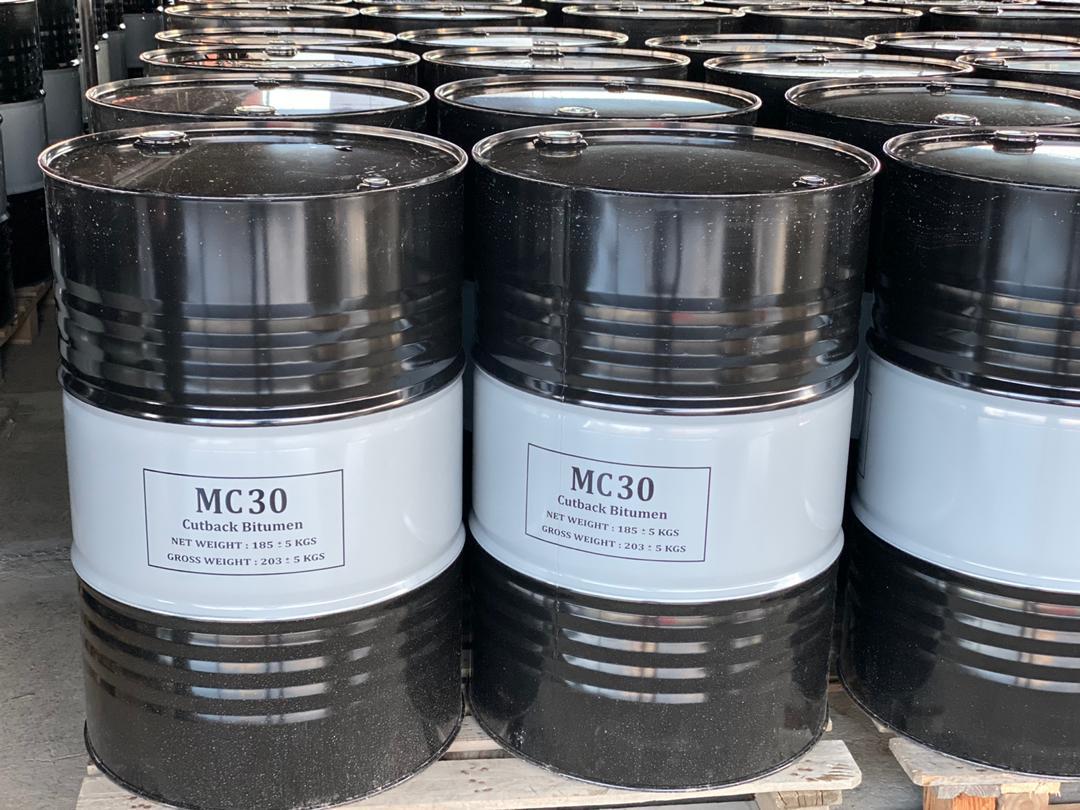
Cutback Bitumen (MC30, MC70) for priming
-
Bitumen Emulsions (cationic) for tack coats and cold applications
All shipments are typically inspected by SGS or GeoChem, ensuring full transparency and quality assurance.
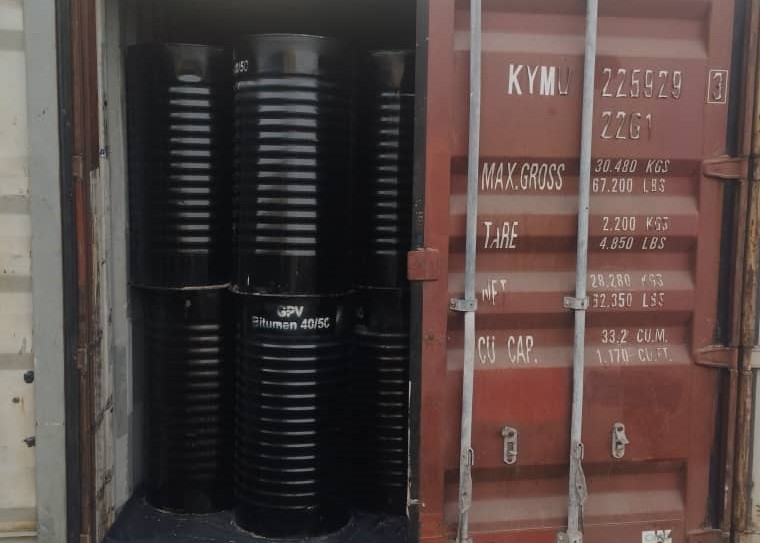
Main Ports and Logistics Infrastructure Supporting Bitumen in Rwanda
Kigali Logistics Platform (KLP) – Masaka
The Kigali Logistics Platform, operated by DP World, is the most important dry port for bitumen in Rwanda.
Key advantages:
-
Reduced clearance time from 14 days to 3 days
-
Secure storage for drums and jumbo bags
-
Direct connection to Dar es Salaam corridor
This facility has played a major role in stabilizing bitumen consumption in Rwanda by preventing project delays.
Port of Rubavu (Lake Kivu)
The Port of Rubavu is essential for bitumen re-exports to the DRC. It supports:
-
Cross-lake transport
-
Regional infrastructure integration
-
Cost-effective access to eastern Congo
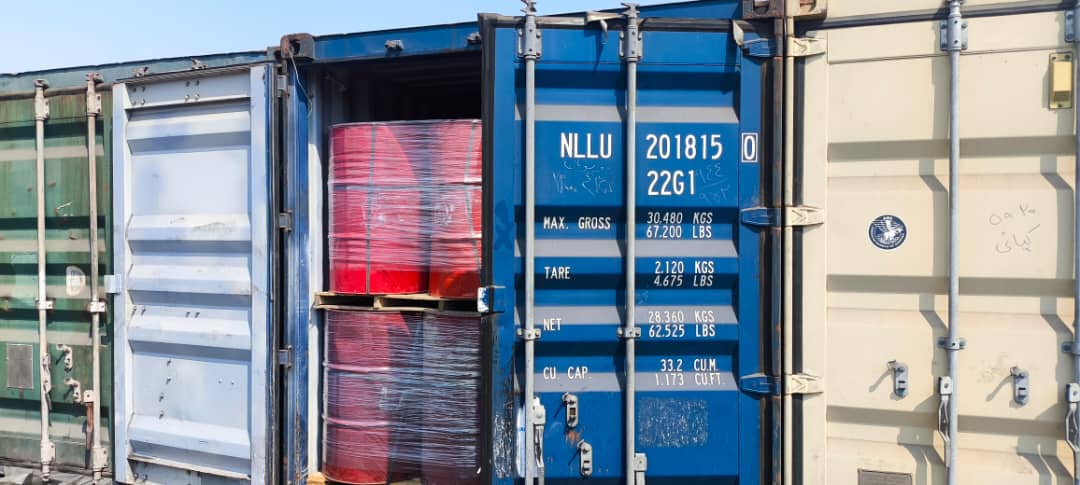
Most Used Packaging for Bitumen in Rwanda
Choosing the right packaging is critical due to Rwanda’s mountainous terrain and long inland transport distances.
Common Bitumen Packaging Types
| Packaging Type | Capacity | Market Share | Main Applications |
|---|---|---|---|
| New Steel Drums | 180 kg / 150 kg | ~65% | Rural roads, maintenance |
| Jumbo Bags (FIBC) | 1,000 kg | ~25% | Highway projects |
| Bulk / Bitutainers | 20–25 tons | ~10% | Asphalt plants |
Market Preference Trends
The 180 kg steel drum remains the most widely used packaging due to:
-
Durability
-
Ease of handling
-
Minimal leakage risk
However, jumbo bags are gaining popularity because they:
-
Reduce cost per ton
-
Are more environmentally friendly
-
Improve unloading efficiency on large projects

Application of New Grades of Bitumen in Rwanda
Transition from Penetration Grade to VG Bitumen
One of the most important trends in bitumen consumption in Rwanda is the shift toward Viscosity Grade (VG) bitumen, especially VG-30.
Advantages of VG-30:
-
Better resistance to rutting
-
Improved performance at high temperatures
-
Longer pavement life
Use of Modified Bitumen
For demanding environments, Rwanda has started using:
-
Polymer Modified Bitumen (PMB) for steep slopes and heavy traffic
-
Cationic emulsions for rainy-season repairs
These advanced binders support Rwanda’s goal of building climate-resilient infrastructure.

Future Outlook: Bitumen Market in Rwanda (2025–2026)
Continued Growth in Bitumen Consumption
Based on current project pipelines, bitumen consumption in Rwanda is expected to:
-
Grow steadily through 2026
-
Expand beyond highways into urban and industrial zones
-
Increase demand for premium and performance-based grades
Key Opportunities for Suppliers
Suppliers who can offer:
-
Stable pricing
-
Certified quality
-
Flexible packaging
-
Efficient logistics
will be best positioned to succeed in Rwanda’s evolving market.

Conclusion: Rwanda’s Strategic Bitumen Market in Africa
Rwanda has established itself as one of Africa’s most efficient infrastructure developers. With rising bitumen consumption, advanced logistics platforms, and reliable suppliers such as Gulf Petro Vision, the country is building roads designed to last for generations.
As Rwanda continues to modernize its transport network and serve as a regional trade gateway, the bitumen market will remain a core pillar of national development.