Bitumen Storage Guidelines: Ensure Quality & Safety
Bitumen storage guidelines are crucial for maintaining product quality, ensuring workplace safety, and adhering to evolving industry regulations. Proper handling and storage of bitumen, a vital component in road construction and various industrial applications, require meticulous attention to detail. Gulf Petro Vision L.L.C provides expertise in navigating these complexities, offering solutions for efficient and secure bitumen management.
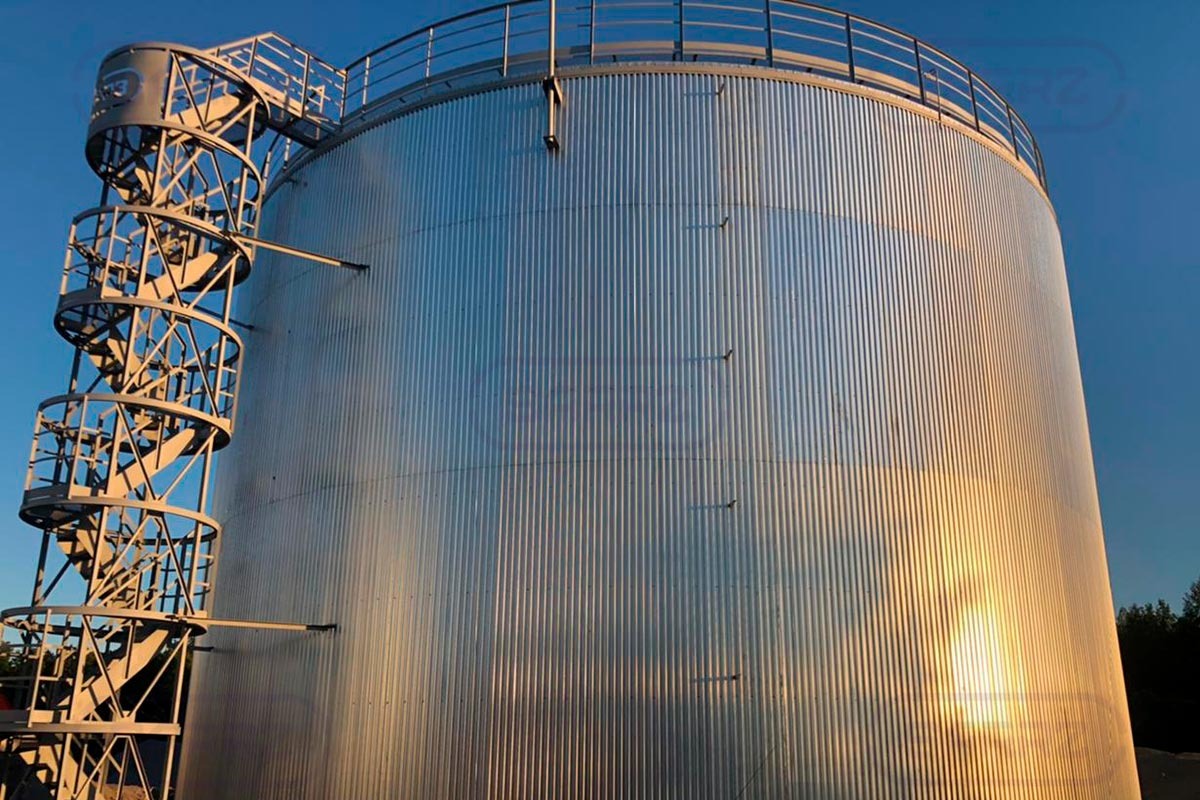
Temperature control is the cornerstone of reliable bitumen storage guidelines. Small deviations can change viscosity, trigger oxidative aging, or cause phase segregation, all of which jeopardize road‑construction performance. Maintaining the correct heat level from receipt through dispensing ensures that the bitumen arrives at the site with the designed mechanical properties.
What is the ideal temperature range for each bitumen grade?
Different grades require specific temperature windows to stay fluid without degrading:
Typical heating ranges for common grades; staying within ± 10 °C preserves rheology.
How does overheating or underheating affect viscosity and degradation?
Overheating (> 10 °C above the recommended range) accelerates oxidation, reduces molecular weight, and can cause irreversible stiffening. Underheating raises viscosity, making pumping difficult and increasing the risk of cold‑joint formation during pavement laying. Both extremes lead to segregation of lighter fractions, creating non‑uniform mixes and costly re‑work.
Why are consistent temperature monitoring and control systems essential?
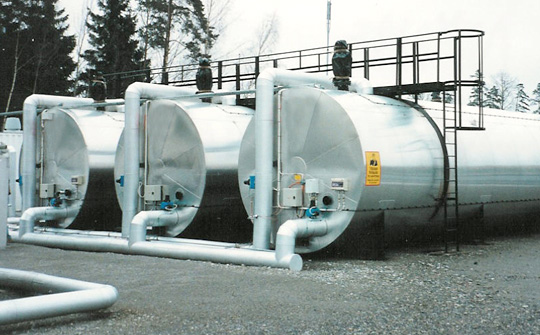
Continuous monitoring via thermocouples linked to PLCs provides real‑time alerts. Heating methods such as steam tracing or electric band heaters must be paired with high‑efficiency insulation (polyurethane or ceramic fiber) to limit heat loss. A reliable learn how quality influences road durability approach reduces energy waste and aligns with upcoming bitumen storage regulations 2026.
What challenges arise in different climates and long‑term storage?
Desert sites demand robust insulation against rapid heat dissipation, while coastal facilities combat condensation that can cool surface layers. For long‑term storage, periodic temperature checks prevent thermal stratification; a short‑term reheating cycle restores homogeneity before loading.
How do bitumen storage guidelines address temperature control for product quality?
Guidelines mandate a bitumen storage temperature control plan integrated with a bitumen storage safety checklist. By documenting setpoints, alarm thresholds, and maintenance schedules, operators can demonstrate compliance, reduce rework costs, and guarantee that the final pavement meets performance specifications.
Developing a robust bitumen storage safety checklist is essential for any operation that relies on onsite bitumen storage solutions. The checklist ties together inspection routines, PPE, loading protocols, fire prevention, training, audits, and environmental safeguards to protect personnel, product quality, and the surrounding community. For deeper insight into why maintaining bitumen quality matters for road durability, see the impact of quality on long‑lasting pavements.
What are the key bitumen storage guidelines for safe onsite operations?
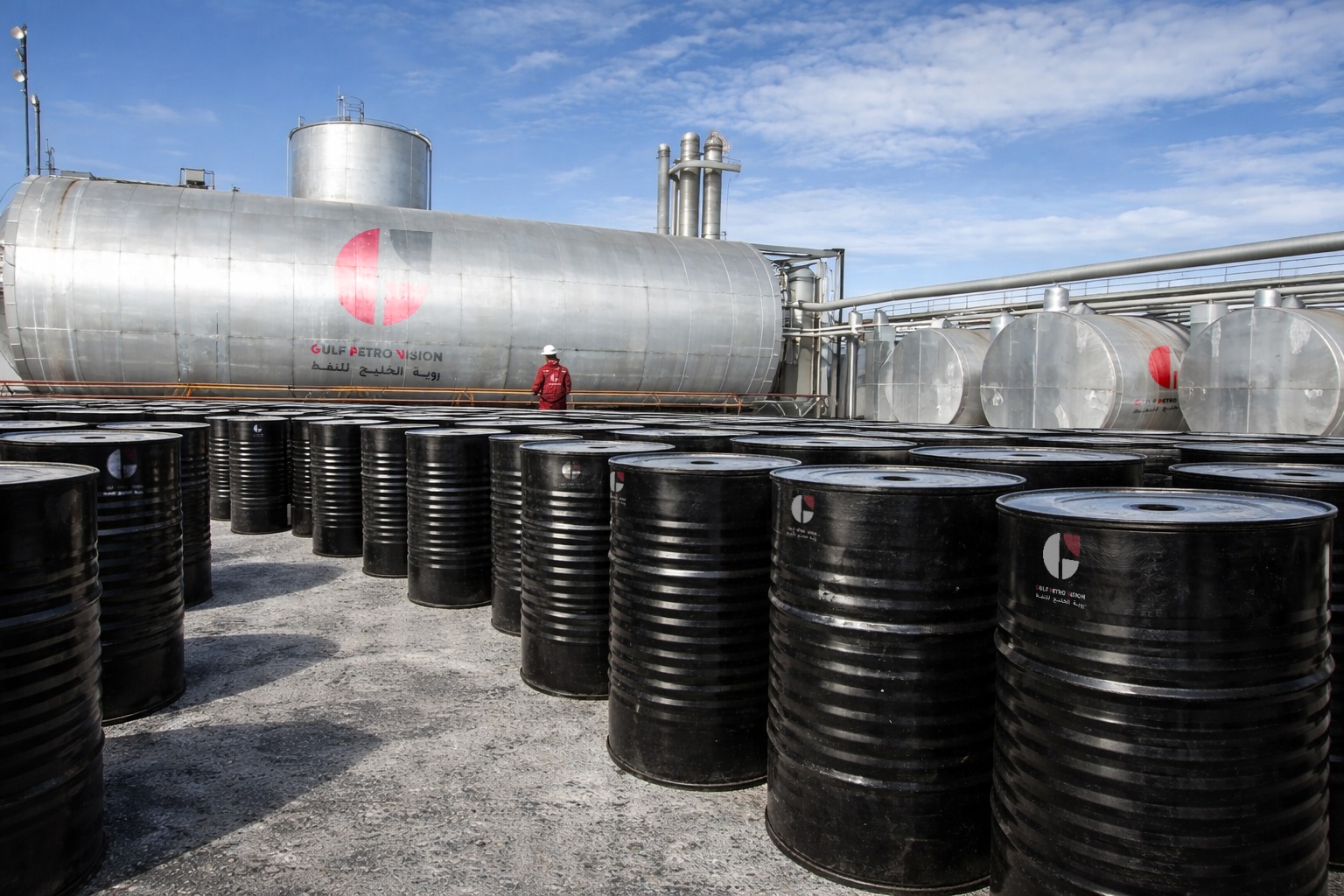
These guidelines mandate regular tank inspections, temperature control, and adherence to the upcoming bitumen storage regulations 2026. A systematic approach ensures the integrity of long‑term bitumen storage and prevents degradation that could affect road construction projects.
How should tanks be inspected and maintained to meet hot bitumen storage best practices?
Conduct visual checks for corrosion, coating damage, and seal integrity weekly. Perform ultrasonic thickness measurements quarterly, and verify heating element performance monthly to maintain storage temperature control within ±5 °C of the target range.
Which personal protective equipment is mandatory for personnel handling bitumen?
Operators must wear fire‑resistant coveralls, high‑temperature gloves, insulated safety boots, and a full‑face shield with a heat‑resistant visor. When aerosolized vapors are present, a half‑mask respirator with organic vapor cartridges is required.

What procedures guarantee safe loading and unloading, including grounding and bonding?
Before any transfer, connect grounding cables to both tank and transport vehicle, then verify a resistance below 5 Ω. Use automatic shut‑off valves, and monitor temperature with calibrated probes to avoid thermal shock.
How are fire safety measures incorporated into bitumen tank storage?
Install Class B fire extinguishers at each access point and maintain a spill‑containment berm of at least 0.5 m height. Develop a fire prevention plan that includes hot‑work permits, continuous temperature monitoring, and an emergency shutdown system.
What training and audit requirements keep the safety checklist effective?
All staff must complete a certification program on safe bitumen handling procedures every 12 months. Conduct internal audits bi‑annually and external safety inspections annually to verify compliance with the latest standards.
Which environmental and spill containment practices should be followed?
Equip each tank with secondary containment trays capable of holding 110 % of the tank’s volume. Deploy absorbent pads for immediate spill control and report any release to the environmental authority within 24 hours.
Distribution of focus areas in a comprehensive bitumen storage safety checklist.
By 2026 the regulatory landscape for bitumen tank storage is set to tighten, demanding stricter environmental, safety, and quality controls. Companies that anticipate these changes can avoid costly interruptions, fines, and reputational damage while securing the integrity of their product for construction projects.

How do the 2026 bitumen storage guidelines reshape long‑term compliance?
The upcoming standards introduce mandatory emissions monitoring, secondary containment specifications, and periodic integrity testing of tanks. For operators, this means adopting hot bitumen storage best practices such as continuous temperature monitoring and enhanced venting systems. Failure to align with these bitumen storage guidelines can trigger penalties that outweigh the modest investment in upgraded infrastructure.
What environmental safeguards will the new rules enforce?
Regulations will require real‑time leak detection, spill‑containment berms, and certified waste‑handling procedures. Incorporating understand the link between bitumen quality and road longevity reinforces the necessity of protecting the product from contamination, which directly influences pavement performance.
How can technology simplify record‑keeping and leak detection?
Investing early in automated gauging and detection yields a lower total cost of ownership.
Automated tank gauging, PLC‑linked temperature control, and cloud‑based audit trails create immutable logs that satisfy inspection auditors and support a robust bitumen storage safety checklist.
Why is regular tank maintenance essential under the 2026 framework?
Scheduled inspections, cathodic protection checks, and insulation refurbishments extend the service life of storage assets and uphold product quality. Consistent maintenance aligns with bitumen storage temperature control requirements, preventing premature degradation of the bitumen and reducing the risk of emergency shutdowns.
How can Gulf Petro Vision L.L.C support seamless compliance?
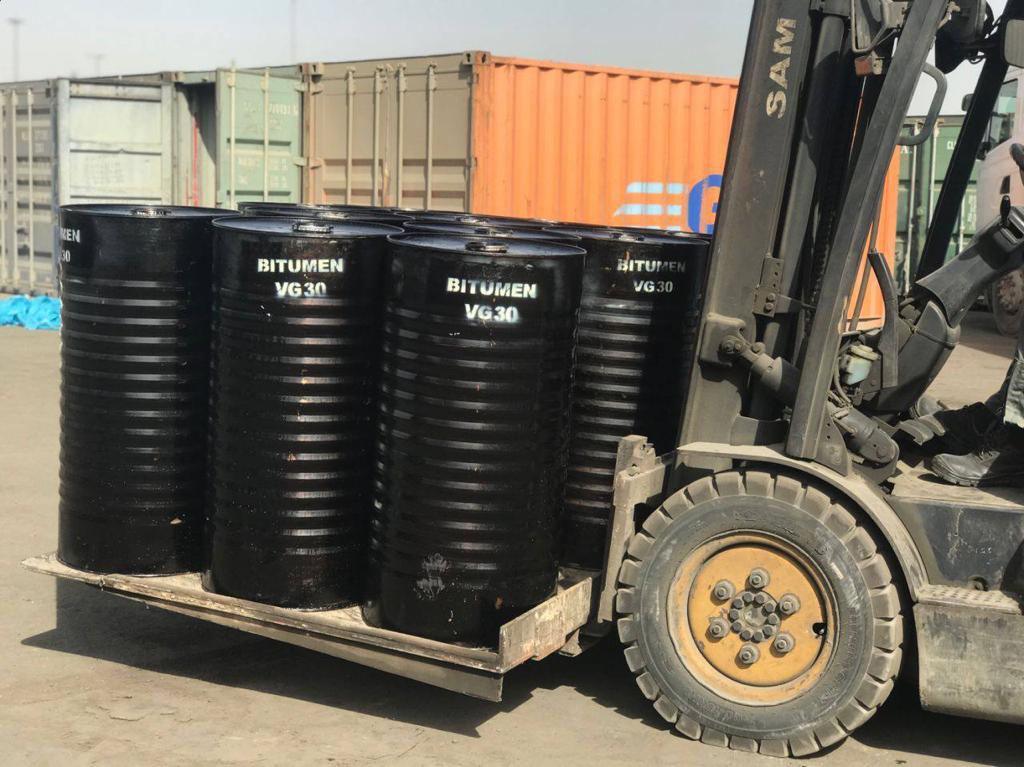
Gulf Petro Vision offers turnkey onsite bitumen storage solutions, from engineering design to installation of leak detection sensors and compliance documentation systems. Their expert team guides clients through the evolving regulatory maze, ensuring each tank meets the 2026 standards while optimizing operating costs.
Adhering to robust bitumen storage guidelines is paramount for operational efficiency and regulatory compliance. From temperature control to safety protocols and anticipating changes like the 2026 regulations, proactive management minimizes risks and maximizes product lifespan. Gulf Petro Vision L.L.C remains committed to providing expert guidance and solutions for all your bitumen needs. Contact us today to optimize your storage practices.