Reliance Refinery Receives Russian Oil Amid Sanctions
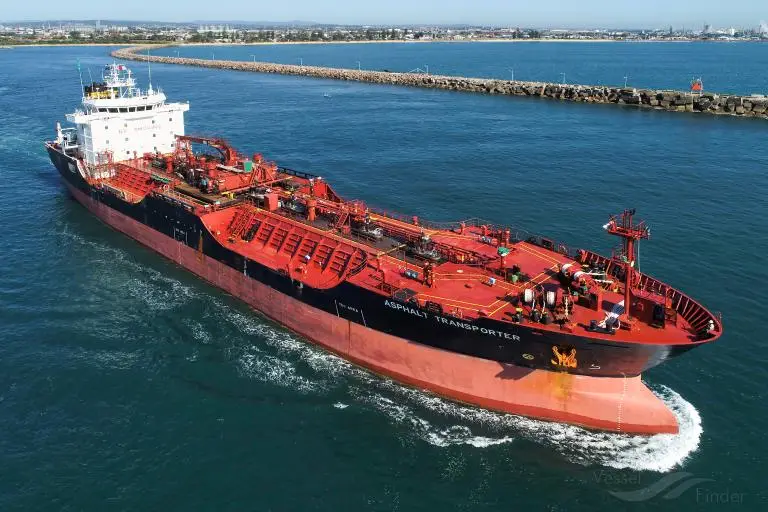
Reliance refinery is receiving continued shipments of Russian crude. Three tankers carrying Urals crude are currently headed to Reliance Industries’ Jamnagar facility, according to recent reports from Kpler. This move comes despite ongoing U.S. sanctions aimed at Russia’s largest oil companies.
Shifting Trade Dynamics
The vessels are transporting approximately 2.2 million barrels of oil. Several trading companies are facilitating these sales, including some currently under UK sanctions. Notably, one of these is linked to Litasco, the international trading arm of Lukoil.
Sanctions against Russian oil giants like Lukoil and Rosneft last year prompted a significant reshuffling of oil flows. Larger companies began to yield ground to smaller, non-sanctioned entities in the export market. These two companies alone previously accounted for roughly half of Russia’s total oil exports, around 2 million barrels per day.
India’s Continued Demand
Initial predictions suggested Indian buyers would reduce their reliance on Russian crude following the sanctions. However, early December 2025 data indicated the opposite trend. Russian oil imports were poised to reach a six-month high of 1.85 million barrels daily. This represents an increase from November’s 1.83 million barrels and approaches levels seen in June.
Reliance Industries was previously heavily reliant on Rosneft for its Jamnagar refinery. They had a long-term supply agreement for 500,000 barrels daily. Following the sanctions, the company began actively diversifying its supply sources.
Conflicting Data Reports
Bloomberg reports consistently positioned Reliance as the world’s largest purchaser of Russian crude in both 2024 and 2025. However, data regarding December flows presents a mixed picture. Bloomberg indicated a significant drop to the lowest levels in three years.
Conversely, data from LSEG, cited by Reuters, showed a more stable flow of Russian oil to India in December. This flow remained at 1.2 million barrels daily, a decrease from November’s 1.77 million, but still considerably higher than Bloomberg’s projections. These discrepancies highlight the challenges in accurately tracking these complex trade patterns.

Navigating a Complex Market
The situation underscores the evolving strategies employed by both Russia and India in response to international pressure. Russia is actively seeking alternative markets, while India continues to prioritize energy security and favorable pricing. For those who need expert consultation, Gulf Petro Vision offers reliable support in this field.
Future of Russian oil imports
The long-term implications of these shifts remain uncertain. The interplay between sanctions, geopolitical factors, and market demand will continue to shape the global oil landscape. It’s a dynamic situation requiring constant monitoring and analysis. The continued flow of Russian oil to India suggests a resilient trade relationship, despite the challenges.