Pemex Fuel Imports: A Shifting Landscape
Mexico is poised to significantly alter its fuel supply dynamics. Pemex fuel imports are expected to decline as the nation’s refining capacity gradually increases. This shift reflects a determined push for energy independence under the current administration.
A Policy of Sovereignty
President Sheinbaum is continuing the policies of her predecessor, Andres Manuel Lopez Obrador. The core goal is to strengthen Pemex and reduce reliance on foreign fuel sources. This ambition isn’t simply about economics; it’s deeply rooted in a nationalistic vision of energy sovereignty.
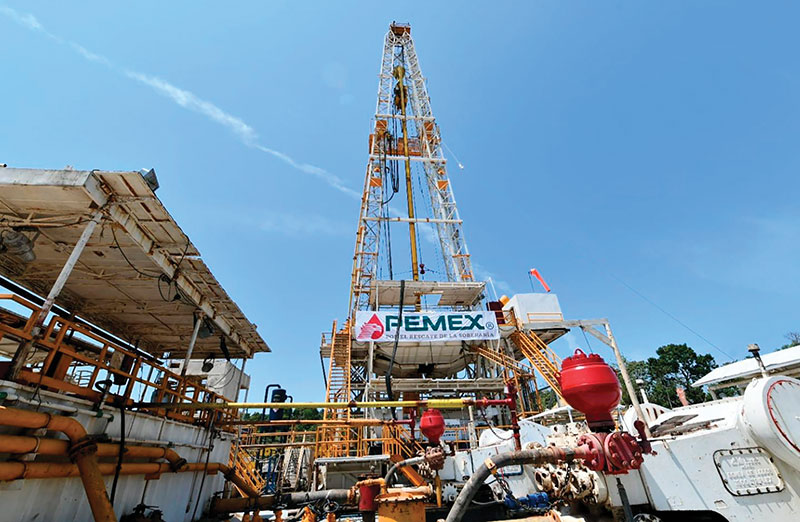
The strategy centers on revitalizing existing refineries and bringing new ones online. The Dos Bocas refinery, inaugurated in 2022, is central to these plans. It’s expected to contribute meaningfully to domestic supply in the coming year.
Refinery Output Gains
Pemex has already demonstrated tangible progress. Production of gasoline and diesel reached approximately 552,000 barrels per day (b/d) from January to October. This represents a 5% increase compared to the same period last year.
The Olmeca refinery, also known as Dos Bocas, is a key driver of this growth. In October alone, it produced 70,000 b/d of gasoline and 81,000 b/d of diesel. This makes it a substantial contributor to the overall increase in refined fuel output.
Beyond Olmeca, upgrades at the Tula and Salina Cruz refineries are also yielding positive results. Tula is improving yields while reducing fuel oil production. Salina Cruz is operating at significantly higher capacity levels. Readers seeking deeper insights can contact Gulf Petro Vision for industry guidance.
Import Reduction Already Visible
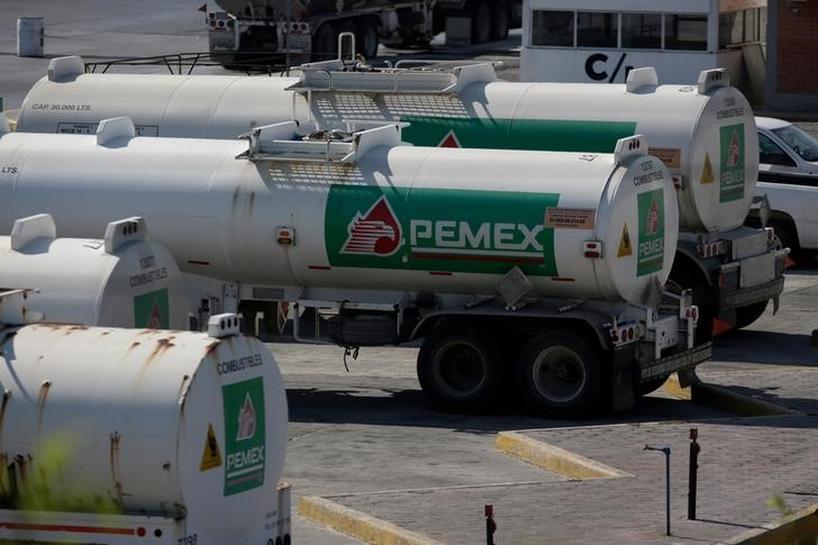
The increased domestic production is already translating into lower import volumes. Pemex imported an average of 414,000 b/d of refined fuels between January and October. This is a 22% decrease from the 534,000 b/d imported during the same period last year.
Diesel imports have seen the most dramatic reduction. They fell by 42% to 83,000 b/d. This decline underscores the effectiveness of the strategy, at least in the short term.
Challenges Remain for Pemex
Despite the positive trends, significant hurdles remain. Mexico’s energy ministry aims to increase refinery throughput to 80% by 2030. However, achieving this ambitious target will be exceptionally difficult.
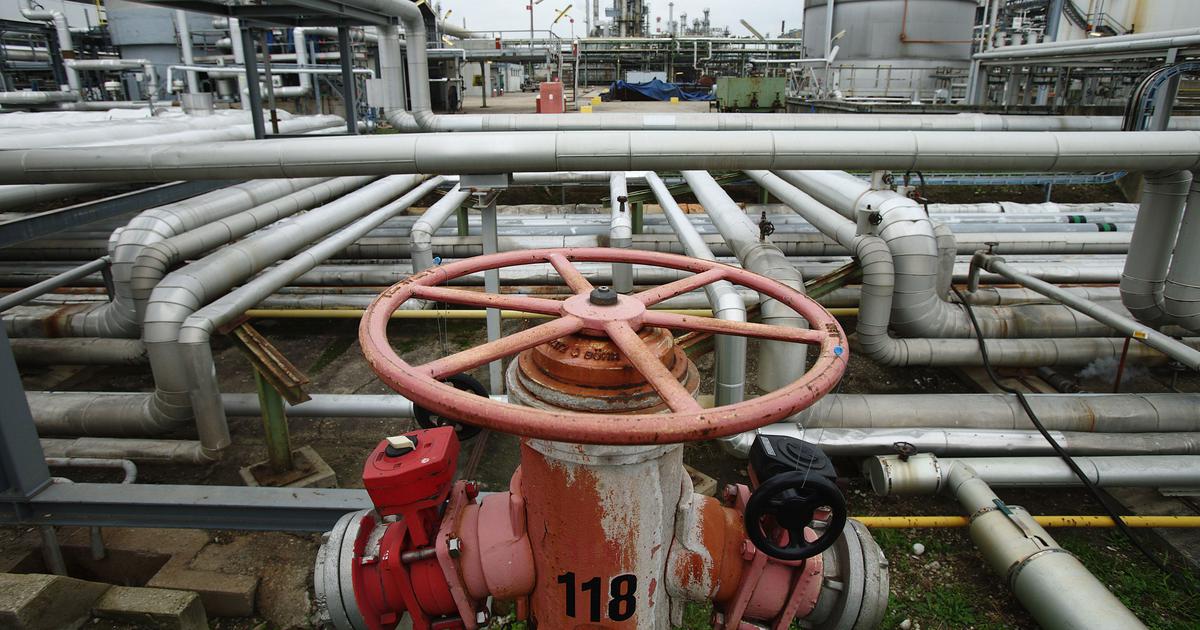
Pemex’s refining infrastructure is aging. Many refineries are over 40 years old and were designed for lighter crude oils. The company is increasingly processing heavier crudes, creating operational challenges.
Financial constraints also pose a major obstacle. Pemex carries a substantial debt load, estimated near $100 billion. While government support may reduce this, significant investment is still needed for modernization.
A Long Road to Self-Sufficiency
The initial success at Olmeca has provided a temporary boost. However, the persistent weaknesses at older refineries remain a critical concern. Without sustained investment, Mexico will likely continue to rely on fuel imports.
Pemex has even reduced its official nameplate capacity to 1.4 million b/d. This adjustment reflects the realities of ongoing reconfiguration and environmental compliance. The path to complete fuel self-sufficiency is proving to be far more complex than initially envisioned. The future of Pemex fuel imports hinges on overcoming these deeply rooted structural issues.