Bitumen Mix Design: A 2025 Guide
Bitumen mix design is the cornerstone of durable and cost-effective road construction. At Gulf Petro Vision, we understand the critical role of selecting and combining the right bitumen grades with aggregates to achieve optimal pavement performance. This guide provides a comprehensive overview of current and emerging best practices, preparing you for the challenges of 2025 and beyond.
Choosing the right grade of bitumen is a linchpin in any Bitumen Tests: A Comprehensive Guide. The grade defines stiffness, temperature susceptibility, and ultimately how the pavement will respond to traffic and climate over its service life.

How Does Bitumen Grading Influence Pavement Performance?
Three grading systems dominate road construction today:
- Penetration grade – measures the depth (0.1 mm) a standard needle penetrates the bitumen at 25 °C; softer binders have higher values.
- Viscosity grade – indicates the binder’s flow resistance at 60 °C (e.g., 140 cSt) and is vital for high‑temperature performance.
- Superpave PG (Performance Grade) – combines high‑ and low‑temperature limits (e.g., PG 64‑22) linked to specific climate envelopes.
Each system captures different aspects of the binder’s rheology, allowing engineers to align the choice with the asphalt mix design methods and projected loading.
Typical numerical ranges for the three grading systems.
What Role Does Bitumen Mix Design Play in Road Longevity?
When the selected grade matches local temperature extremes, the mix resists permanent deformation (rutting) and avoids low‑temperature cracking. In hot, heavy‑traffic corridors, a higher viscosity or a PG‑70 binder paired with dense graded mix design reduces shear strain. Conversely, in cold regions, a lower PG grade or a polymer modified bitumen mix design (e.g., SBS‑modified) supplies the elasticity needed to prevent thermal cracking.
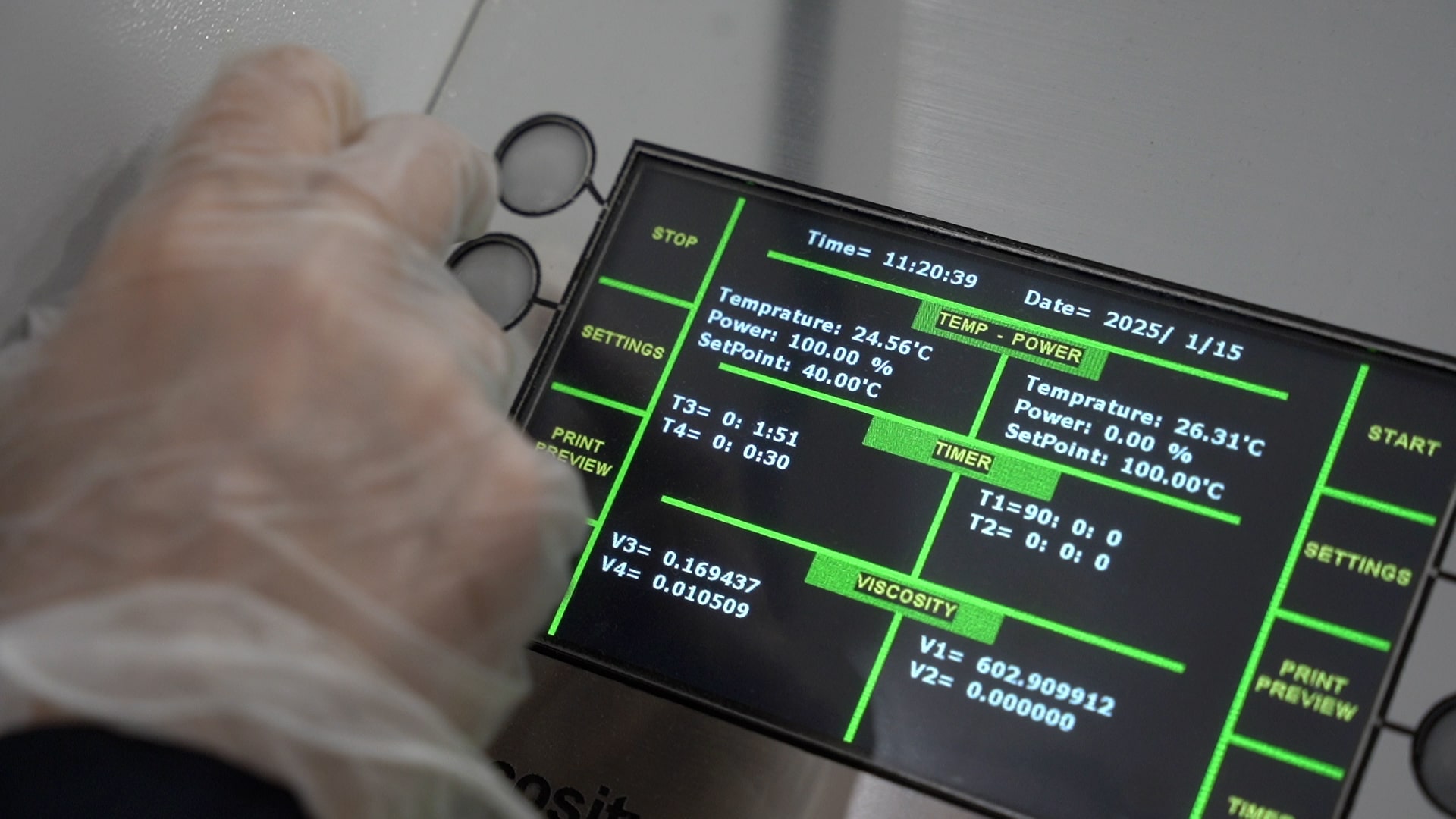
How Can Polymer Modified Bitumen Extend Pavement Service Life?
Polymer additives increase the binder’s complex modulus without sacrificing low‑temperature flexibility. This dual benefit improves fatigue life and cuts the frequency of asphalt mix design troubleshooting. Projects that adopt polymer modified binders often meet the stringent bitumen mix design standards for high‑speed highways, delivering lower life‑cycle costs despite a modest initial price premium.
Incorrect grading – such as using a low‑viscosity binder on a high‑temperature arterial road – accelerates rutting, forces early mill‑and‑overlay, and escalates maintenance budgets. Proper alignment of grade, climate, and traffic loads, underpinned by rigorous volumetric mix design procedures, secures durable pavement performance for decades.
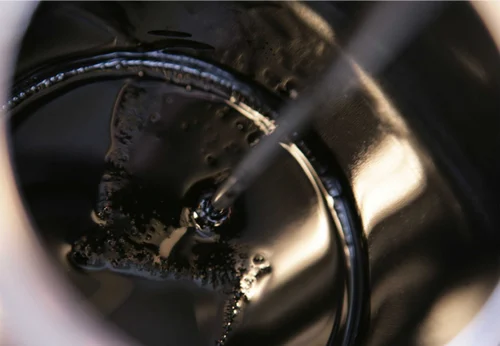
What are the key principles behind volumetric (Marshall) bitumen mix design?
The Marshall method follows a volumetric mix design procedure that targets a target bulk specific gravity (Gmb), air voids (AV), Voids in Mineral Aggregate (VMA), and Voids Filled with Asphalt (VFA). Specimens are compacted with a standard 75 blows per side, and the resulting bulk specific gravity, stability, and flow values guide the selection of aggregate gradation and binder content. Core tests such as Gmm, Gmb, and density calculations provide the basis for determining whether the mix meets the dense‑graded mix design criteria required for most highways.

How does Superpave mix design differ from traditional Marshall methods?
Superpave mix design specifications replace simple volumetrics with performance‑based criteria. The Superpave system uses the Gyratory Compactor to simulate 20,000 wheel loads, producing a target air void range (3‑5 %). Key tests include bulk specific gravity, VFA, and the Superpave G*–r* binder grading system, which selects a bitumen grade based on climate (high, intermediate, low temperature) and traffic loading (light, medium, heavy). This performance grading (PG) framework enables precise bitumen tests a comprehensive guide integration, ensuring the binder meets rutting, cracking, and fatigue resistance requirements.
| Simple calculations, lower software cost | Advanced modeling, higher software cost |
| Less climate sensitivity | Climate‑specific PG selection |
| Widely used, easy training | Higher accuracy, predictive analytics |
Which approach best serves pavement mix design calculations for heavy traffic and varied climates?
Superpave excels for heavy traffic lanes and extreme climates because its binder grading (e.g., PG 64‑22) directly addresses temperature susceptibility and loading. Marshall remains useful for low‑volume roads where cost constraints dominate. Modern asphalt mix design software—such as WinSuperPave, KENPAVE, or the open‑source MixDesignPro—automates both volumetric and performance computations, integrates VFA, VMA, and PG data, and enables hot mix asphalt design 2025 to incorporate machine‑learning predictions of long‑term rutting and fatigue.
PROS
- Performance‑based binder selection
- Better prediction of long‑term distress
CONS
- Higher upfront analysis cost
- Requires specialized training
Illustrative comparison of typical Marshall test outcomes.
Cost optimization is no longer a peripheral concern; it is a core driver of competitive advantage in modern bitumen mix design. By integrating material selection, processing technology, and life‑cycle analysis, engineers can deliver pavements that meet heavy‑traffic demands while keeping expenditures within budgetary limits.
How can aggregate selection lower material costs without sacrificing performance?
Choosing locally sourced aggregates reduces haul distances and fuel consumption. Incorporating recycled asphalt pavement (RAP) and reclaimed asphalt shingles (RAS) further cuts costs and carbon footprint. These reclaimed materials provide sufficient gradation and stiffness when blended correctly, allowing a reduction in virgin binder demand.
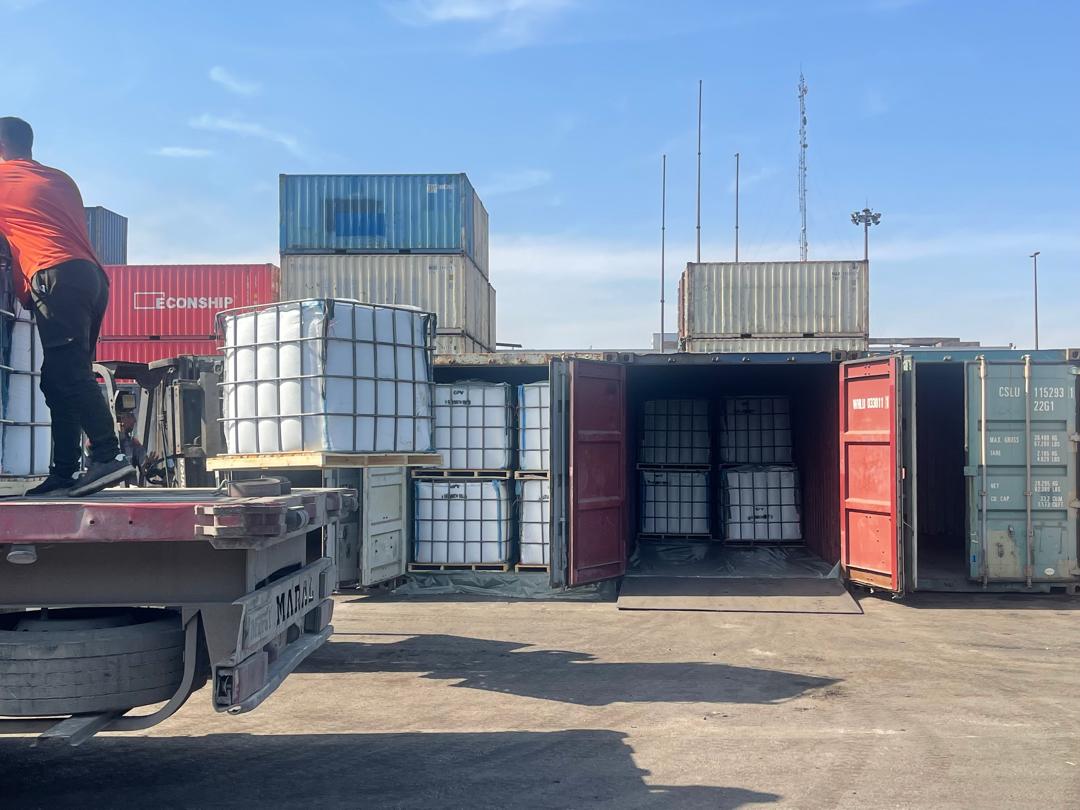
What role do warm mix asphalt design considerations play in energy savings?
Warm mix technologies lower mixing temperatures by 30–50 °C, decreasing fuel use and emissions. The energy savings translate directly into lower production costs, especially on large projects where heating dominates the expense profile.
Cost contribution of key mix components in a typical heavy‑traffic project.
Why does the choice between conventional and polymer modified binders affect overall budget?
Polymer modified bitumen offers superior rut resistance, potentially extending service life. While its unit price is higher, the reduction in future maintenance can offset the initial outlay when evaluated through life‑cycle cost analysis.

How do pavement mix design calculations help minimize material waste?
Accurate volumetric mix design procedures, supported by Bitumen Tests: A Comprehensive Guide, identify the exact binder percentage needed for target performance. This prevents over‑binding, lowers material consumption, and enhances workability.
What is the significance of life‑cycle cost analysis for heavy‑traffic asphalt mix design?
Life‑cycle analysis compares upfront construction costs with long‑term expenses such as resurfacing, rehabilitation, and environmental penalties. Selecting a mix that scores favorably across the entire service horizon ensures the most economical solution, especially when dense graded or stone mastic asphalt mixes are considered.
By adhering to these best practices, agencies achieve immediate savings and secure long‑term cost stability through reduced maintenance cycles and extended pavement life.
Effective bitumen mix design is paramount for long-lasting, high-performance roads. From traditional Marshall and Superpave methods to innovative warm mix asphalt technologies, understanding these principles is crucial. Gulf Petro Vision remains committed to providing quality bitumen and expert guidance to support your projects. Contact us today to discuss your specific needs and optimize your pavement solutions.