Bitumen Tests: A Comprehensive Guide
Bitumen Tests are crucial for ensuring the longevity and performance of road infrastructure. This comprehensive guide, brought to you by Gulf Petro Vision L.L.C, delves into the essential testing methods used to evaluate bitumen and asphalt, covering everything from penetration testing to viscosity analysis. Understanding these procedures is vital for professionals in the petrochemical and construction industries.

What Are the Core Bitumen Testing Methods Used in Road Construction?
In modern road material testing, a handful of laboratory procedures form the backbone of bitumen quality control. These bitumen testing methods translate laboratory numbers into real‑world performance, guiding everything from pavement material specifications to long‑term durability assessments. The most frequently applied tests—penetration, softening point (Ring & Ball), ductility, viscosity, and flash point—are anchored in ASTM and EN standards, and together they provide a comprehensive bitumen analysis.
How Do Bitumen Tests Ensure Pavement Performance?
Each test probes a distinct physical property that influences how the binder behaves under traffic loads and temperature fluctuations. The penetration test gauges hardness, the Ring & Ball softening point measures temperature susceptibility, ductility evaluates strain capacity, viscosity reflects workability during mixing and laying, and flash point confirms safety limits for handling hot bitumen.
Typical laboratory values for a common road‑grade binder (60/70). Adjustments are made according to local specifications.
Why Is Penetration Testing Critical for Bitumen Quality Control?
The penetration test (ASTM D5, EN 12593) measures the depth a standard needle penetrates a bitumen sample under a 100 g load at 25 °C for 5 seconds. Results are expressed in 0.1 mm units. A higher penetration value indicates a softer binder, suitable for colder climates, whereas lower values denote a harder, more temperature‑stable binder. Errors often arise from inadequate temperature control or an uneven sample surface.
What Does the Ring & Ball Softening Point Reveal About Asphalt Binder?
In the Ring & Ball method (ASTM D36, EN 1426), the bitumen‑soaked steel ball is heated until it rises a specified distance in a steel ring. The temperature at which this occurs is the softening point, reflecting the binder’s resistance to flow under heat. Samples must be free of air bubbles; otherwise, the ball may rise prematurely, skewing results.

How Is Ductility Measured and What Does It Mean for Pavement Flexibility?
Ductility testing (ASTM D113, EN 14113) stretches a cooled bitumen specimen at a constant rate until it breaks. The final elongation, reported in centimeters, indicates the material’s ability to accommodate tensile stresses without cracking. Proper sample cooling and a uniform cross‑section are essential; variations can cause under‑ or over‑estimation of ductility.
Which Viscosity Test Best Predicts Workability at Construction Temperatures?
Viscosity is commonly assessed with a rotational viscometer (ASTM D4402) at 60 °C and 135 °C, or with a Brookfield viscometer for more detailed flow curves. Viscosity correlates directly with pumpability and compaction effort. Sample contamination with dust or water dramatically inflates viscosity readings, so meticulous filtration is a must.
How Is the Flash Point Determined and Why Is It Important for Safety?
The flash point (ASTM D92, EN 12591) is the lowest temperature at which vapors from the bitumen ignite under a standard flame. It ensures safe handling and storage, particularly during hot mix production. A faulty thermocouple or an open test chamber can produce falsely low flash point values, compromising safety protocols.

What Are the Best Practices for Sample Preparation and Error Minimization?
Proper sample preparation begins with homogenizing the bitumen at 150 °C to eliminate air pockets and ensure uniform composition. Samples should be stored in airtight containers and tested within 24 hours of extraction. Common sources of error include temperature drift, inconsistent loading rates, and equipment calibration lapses. Routine verification against certified reference materials, as stipulated in ASTM D6375 and EN 12488, mitigates these risks.
How Are These Core Tests Integrated Into Modern Asphalt Binder Testing?
While each test offers distinct insight, contemporary road construction projects combine them with advanced rheological analyses (e.g., Dynamic Shear Rheometer) to align laboratory findings with performance‑based specifications such as the Superpave grading system. This holistic approach ensures that the bitumen selected meets both 2025 standards and the demanding conditions of high‑volume traffic networks.
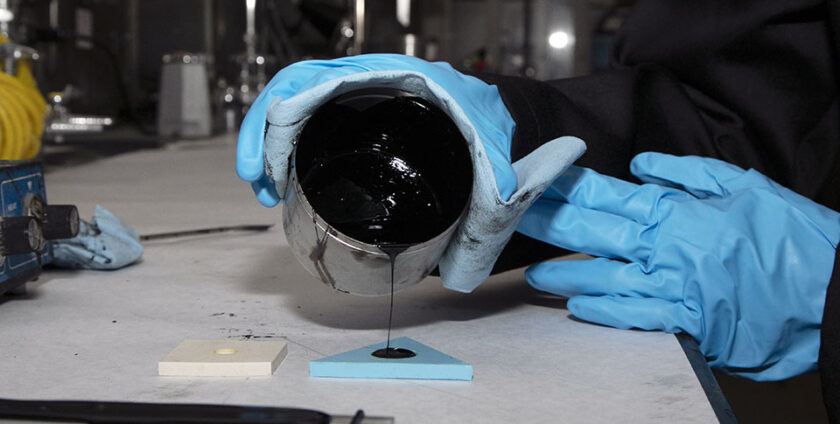
How do Bitumen Tests influence pavement performance?
Bitumen grade testing serves as the cornerstone of modern road material testing, linking laboratory data directly to field durability. By determining whether an asphalt binder meets a specific penetration grade or performance grade, engineers can forecast how the pavement will resist rutting, thermal cracking, and moisture damage under expected traffic and climate conditions. The primary focus of Bitumen Tests is to provide a reliable metric for selecting the binder that aligns with the pavement material specifications outlined in national standards.
What are the main bitumen grading systems and how are they established?
Traditional grading relies on the penetration test bitumen, which measures the depth (in 0.1 mm) a standard needle penetrates a softened sample at 25 °C. Results are expressed as penetration grades (e.g., 70/100). Performance grading, introduced by the SuperPave system, classifies binders by a combination of viscosity test bitumen, softening point test bitumen, and ductility test bitumen outcomes, producing symbols such as PG 64‑22. The grades are derived from a suite of bitumen testing methods calibrated against climate‑specific temperature ranges and loading scenarios.

Why does grade selection dictate rutting resistance and cracking potential?
High‑grade (harder) binders exhibit elevated stiffness, reducing deformation under heavy loads and thus limiting rut formation. Conversely, low‑grade (softer) binders retain flexibility at low temperatures, diminishing thermal cracking risk. The balance is quantified through viscosity test bitumen results: a higher viscosity indicates stronger rutting resistance, while a lower viscosity correlates with better low‑temperature performance. Selecting an inappropriate grade—such as a 10 mm penetration binder for a high‑temperature desert highway—can accelerate rutting, whereas a too‑soft binder on a cold‑climate road may crack prematurely.
How do climate and traffic loads shape optimal grade determination?
In hot, arid regions, the pavement experience higher surface temperatures; therefore, a binder with a higher viscosity (e.g., PG 76‑22) is preferred. In contrast, northern climates demand binders that remain ductile at -20 °C, shifting the selection toward lower PG numbers (e.g., PG 52‑34). Traffic intensity compounds these decisions: high axle loads necessitate a binder with greater rutting resistance, while low‑volume roads can tolerate softer grades. Comprehensive bitumen analysis, integrating results from bitumen testing standards ASTM and EN standards bitumen testing, enables engineers to model these variables and select the most suitable grade.

What happens when the wrong grade is applied?
Case studies reveal that a premature failure often traces back to grade mismatch. A highway in southern India using a 50/70 penetration binder suffered extensive rutting within two years, prompting costly resurfacing. Conversely, a Canadian rural road paved with a high‑temperature PG 76‑22 binder experienced extensive cracking during winter freezes, leading to traffic disruptions.
Illustration of how different performance indices vary with selected binder grades.
How will the 2025 standards reshape bitumen grading?
The upcoming 2025 updates to bitumen tests 2025 standards introduce a unified performance‑grade matrix that merges traditional penetration data with enhanced viscoelastic modeling. Expect tighter tolerances for viscosity test bitumen and mandatory inclusion of a fatigue cracking index derived from controlled loading cycles. These changes aim to reduce the reliance on empirical experience and improve the predictability of pavement life across diverse climates and traffic regimes.
Adhering to the revised pavement material specifications, while employing rigorous bitumen testing methods, ensures that the selected binder delivers the intended service life, minimizing maintenance costs and enhancing road safety.
Why are Bitumen Tests essential for binder quality control?
In modern road construction, the distinction between “asphalt binder” and “bitumen” is more than semantic. Bitumen refers to the raw petroleum‑derived material, while the asphalt binder is the engineered product that has been modified, blended, and stored under controlled conditions to meet specific pavement material specifications. Testing the binder, not merely the raw bitumen, is crucial because it directly influences the mixture’s performance under traffic loads and climatic variations. Comprehensive bitumen analysis—including viscosity, penetration, and softening point—sets the baseline, but advanced binder testing evaluates the viscoelastic response that governs cracking, rutting, and fatigue over the pavement’s service life.

How do DSR and BBR reveal viscoelastic behavior?
The Dynamic Shear Rheometer (DSR) test measures complex shear modulus (G*) and phase angle (δ) across a temperature sweep, providing insight into the binder’s stiffness and elasticity. According to ASTM D7175 and EN 13108‑2, these parameters are plotted to generate master curves that predict high‑temperature rutting resistance. Conversely, the Bending Beam Rheometer (BBR) assesses low‑temperature creep stiffness and m‑value, indicating the binder’s ability to relax stresses and avoid thermal cracking. Both tests together map the binder’s performance envelope, ensuring compliance with the bitumen tests 2025 standards for road material testing.
Bar chart illustrates typical performance indices for DSR, BBR, and MSCR tests.
What does the MSCR test tell us about rutting resistance?
The Multiple Stress Creep Recovery (MSCR) test, defined in ASTM D7405, subjects the binder to repeated low‑stress and high‑stress pulses. Two key outcomes—the non‑recoverable creep compliance (Jnr) and the percent recovery (R)—quantify the binder’s ability to resist permanent deformation under traffic loading. Low Jnr coupled with high R indicates a binder that can withstand rutting while maintaining flexibility, a critical factor in high‑traffic corridors and in climates experiencing extreme temperature swings.
Which standards guide asphalt binder testing in 2025?
Both ASTM and EN standards converge on a unified framework for bitumen testing. ASTM D977 (penetration), D1159 (softening point), D4402 (viscosity), D7369 (aging), and D7859 (high‑temperature grade) are complemented by EN 14126, EN 12697‑7, and EN 13108 suites. The 2025 updates emphasize stricter limits on Jnr and higher recovery thresholds for polymer‑modified binders, reflecting industry demand for resilient pavements. Compliance with these standards ensures that the binder meets the required grade and that the mixture will satisfy performance‑based specifications throughout its design life.
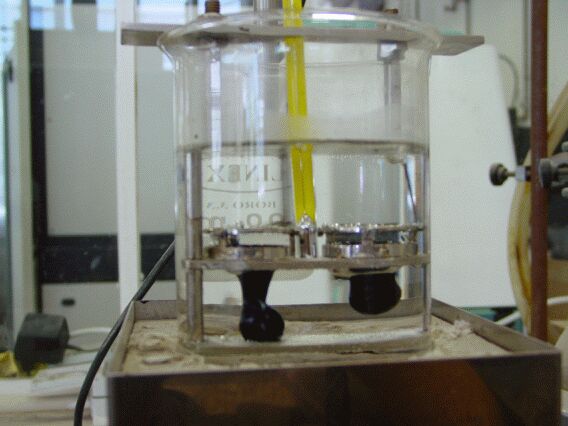
How does Gulf Petro Vision L.L.C contribute to consistent binder quality?
Gulf Petro Vision L.L.C leverages a state‑of‑the‑art production line that integrates real‑time viscosity monitoring, precise polymer dosage, and systematic aging protocols. Their commitment to rigorous bitumen testing methods guarantees that each batch aligns with the latest ASTM and EN standards, delivering a binder that consistently passes DSR, BBR, and MSCR examinations. By providing reliable, high‑quality asphalt binders, they enable engineers to achieve superior road performance and long‑term cost efficiencies.
PROS
- Predictive insight into rutting and cracking.
- Alignment with international 2025 testing standards.
- Enhanced pavement lifespan and reduced maintenance.
CONS
- Requires specialized laboratory equipment.
- Higher upfront testing costs.
Accurate and repeatable Bitumen Tests are the backbone of any reliable road material testing program. Standards issued by ASTM International and the European Committee for Standardization (EN) provide the procedural framework that guarantees consistency across laboratories, projects, and continents. This chapter maps the most relevant standards, highlights their key test methods, and outlines how forthcoming 2025 revisions will reshape current practices.
What ASTM standards govern Bitumen Tests?
ASTM publishes a suite of specifications and test methods that address both binder‑only evaluations and the performance of bituminous mixtures. The most frequently cited documents include:
| Standard | Title | Primary Tests Covered |
|---|---|---|
| ASTM D5 | Standard Test Method for Penetration of Bitumen and Asphaltite | Penetration test bitumen |
| ASTM D36 | Standard Test Method for Softening Point (Ring‑and‑Ball) | Softening point test bitumen |
| ASTM D113 | Standard Test Method for Ductility of Bitumen | Ductility test bitumen |
| ASTM D2170 | Standard Test Method for Viscosity of Bitumen (Rotational Viscometer) | Viscosity test bitumen |
| ASTM D1559 | Standard Test Method for Determination of Asphalt Binder Content of Hot‑Mix Asphalt (Extraction) | Binder content, extraction |
| ASTM D6927 | Standard Test Method for Superpave Gyratory Compactor | Mixture compaction, volumetrics |
Each ASTM method undergoes periodic revision; the most recent updates (2022‑2024) incorporate tighter temperature controls, expanded sampling protocols, and enhanced data‑handling algorithms to support digital reporting.
How do EN standards differ from ASTM in asphalt testing procedures?
European EN standards (EN 12591, EN 12697 series) parallel many ASTM methods but often emphasize performance‑based criteria and integration with the EU’s pavement material specifications. For example, EN 12697‑22 outlines the determination of penetration, while EN 12697‑36 covers the softening point using the same ring‑and‑ball apparatus but specifies different cooling rates and sample dimensions.
Key distinctions include:
- EN standards frequently require a broader temperature range for viscosity testing (EN 12591‑2).
- ASTM tends to provide more detailed procedural steps, facilitating training in regions where laboratory expertise varies.
- EN places stronger emphasis on field‑derived specimens, aligning testing with actual construction conditions.
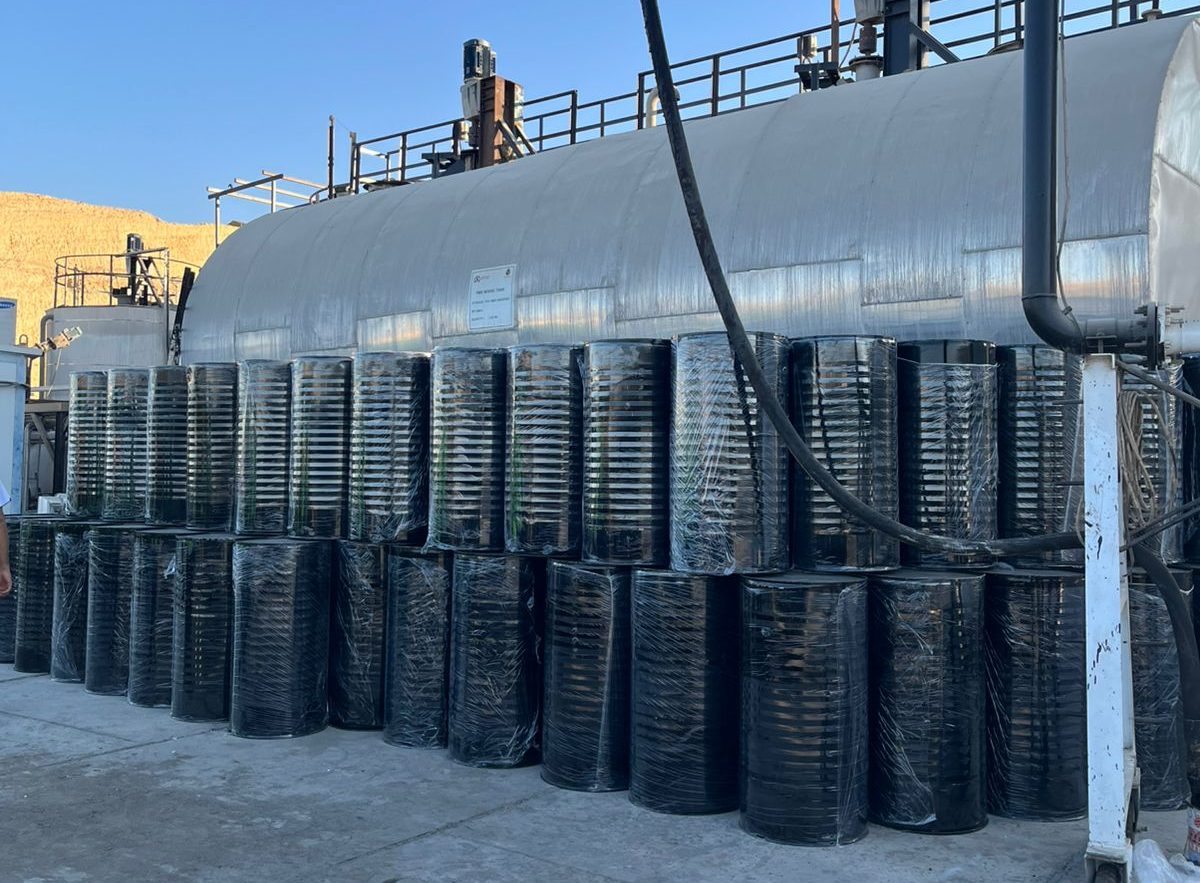
What changes are expected in the 2025 bitumen testing standards?
The upcoming 2025 revisions aim to harmonize ASTM and EN specifications where feasible, integrating advanced instrumentation such as inertial rheometers and digital image analysis for mixture grading. Anticipated updates include:
- Incorporation of a “bitumen testing methods” module that combines traditional penetration, softening point, and ductility with rheological parameters (complex modulus, phase angle).
- New tolerance limits for high‑modulus binders to support low‑temperature cracking resistance.
- Mandatory reporting of uncertainty estimates to enhance bitumen quality control across supply chains.
These 2025 standards will directly impact road material testing by enforcing more comprehensive data sets, thereby improving the reliability of pavement material specifications and extending service life predictions.
Current global adoption rates of major bitumen testing frameworks.
Adhering to these ASTM and EN standards is essential for achieving consistent, comparable results across projects. By aligning laboratory practices with the evolving 2025 standards, engineers and quality‑control personnel can ensure that every bituminous mixture meets the stringent demands of modern pavement design and long‑term performance.
When are Bitumen Tests performed during road construction?
Effective road building hinges on a disciplined schedule of testing that spans the entire lifecycle of a pavement. From the initial verification of the binder grade to the final acceptance of the finished carriageway, each stage demands specific bitumen testing methods that safeguard density, stability and durability. The timing of these tests is dictated by pavement material specifications, project‑specific quality control plans, and, increasingly, the bitumen tests 2025 standards that tighten allowable tolerances.

What material checks are required before mixing the asphalt?
Before any hot mix is produced, the raw components undergo a suite of laboratory examinations. The penetration test, softening point test and ductility test establish the grade of the binder, while viscosity testing confirms that the bitumen will flow correctly at the plant temperature. These results form the basis of the mix design verification, ensuring that the target air‑void range (typically 3‑5 %) and Marshall stability values (≥ 5 kN) can be achieved. Sampling must follow the ASTM D2216 and EN 12697‑7 protocols, with each sample logged in a chain‑of‑custody form.
How is compaction controlled during laying?
During paving, real‑time compaction monitoring replaces the old “eyeball” approach. Portable nuclear density gauges record the in‑situ density at regular intervals, feeding data into a central dashboard where a dynamic bar chart visualises compliance against the target 95 % of maximum theoretical density.
Compactness is linked directly to air‑voids; a simultaneous air‑void analysis on core samples (ASTM D3206) validates the field gauge readings. If the measured voids exceed the allowable limit, the roller schedule is adjusted on‑the‑fly, a practice now codified in the 2025 road material testing guidelines.
Which quality‑assurance tests follow pavement completion?
Post‑paving verification encompasses three core tests:
- Marshall stability and flow to confirm load‑bearing capacity.
- Hamburg wheel tracking to assess rutting resistance under simulated traffic and moisture.
- Air‑voids analysis to ensure long‑term durability.
Samples are extracted according to EN 13108‑4, sealed, and tested within 24 hours to limit aging effects. The results are compared against the pre‑defined acceptance criteria in the pavement material specifications, and any deviation triggers a corrective action plan documented in the project quality log.

How do 2025 standards reshape testing protocols?
The 2025 standards introduce stricter limits on binder penetration (± 5 % instead of ± 10 %) and require a minimum of three replicates for each asphalt testing procedure. They also mandate the use of automated data acquisition systems for all density and wheel‑tracking tests, enabling statistical process control charts that flag trends before they become critical.
PROS
- Higher confidence in long‑term performance.
- Reduced rework through early detection.
CONS
- Increased upfront investment in equipment.
- More rigorous documentation workload.
By aligning each testing phase with the updated bitumen testing standards ASTM and EN criteria, contractors can deliver pavements that meet the elevated expectations of durability, safety, and sustainability set for 2025 and beyond.
How are Bitumen Tests evolving with performance‑based methods?
In recent years the industry has shifted from prescriptive specifications toward performance‑based testing methods that simulate real‑world loading, temperature fluctuations, and traffic patterns. Instead of relying solely on the traditional penetration test bitumen or softening point test bitumen, engineers now employ fatigue, rutting, and moisture susceptibility assessments directly on asphalt binder samples. These procedures align closely with modern asphalt testing procedures, providing a more accurate prediction of pavement life and facilitating the adoption of higher‑grade binders without compromising safety.
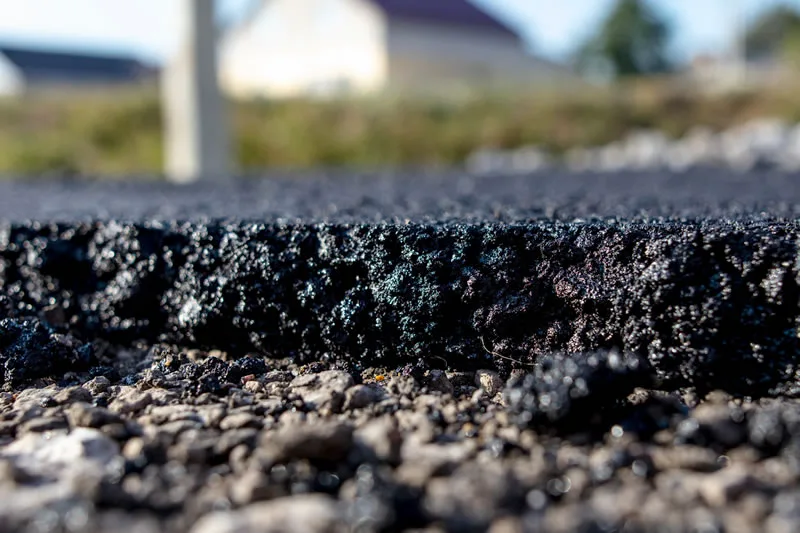
What role does nanotechnology play in future asphalt technology?
Nanotechnology offers the potential to engineer bitumen at the molecular level, enhancing viscosity test bitumen outcomes and improving resistance to cracking and deformation. Nano‑additives such as silica, carbon nanotubes, or polymer nanoclays can be dispersed uniformly, creating a modified bitumen that displays superior ductility, higher softening points, and improved adhesion to aggregates. This advancement is driving a new class of bitumen grade testing that meets stricter pavement material specifications while maintaining cost‑effectiveness.
PROS
- Enhanced fatigue resistance
- Improved temperature stability
CONS
- Higher initial material costs
- Need for specialized mixing equipment
How will sustainability and recycling reshape road material testing?
Environmental stewardship is accelerating the incorporation of reclaimed asphalt pavement (RAP) and bio‑based binders into new mixtures. Comprehensive bitumen analysis now routinely includes tests for reclaimed content, evaluating how recycled constituents affect viscosity, ductility, and overall performance. Sustainable materials also prompt updates to road material testing protocols, ensuring that recycled mixtures meet the same rigorous standards as virgin binders while reducing the carbon footprint of construction projects.
Projected adoption rates of emerging testing and material technologies for 2025.
Which impacts will the bitumen tests 2025 standards have on R&D?
The 2025 standards introduce stricter criteria for binder performance, incorporating both laboratory and field‑derived metrics. Researchers are now compelled to develop hybrid testing suites that blend traditional ASTM methods with advanced rheological and spectroscopic analyses. This drives innovation in asphalt binder testing, encouraging the creation of multi‑functional additives and faster, more reliable evaluation protocols that comply with the updated specifications.
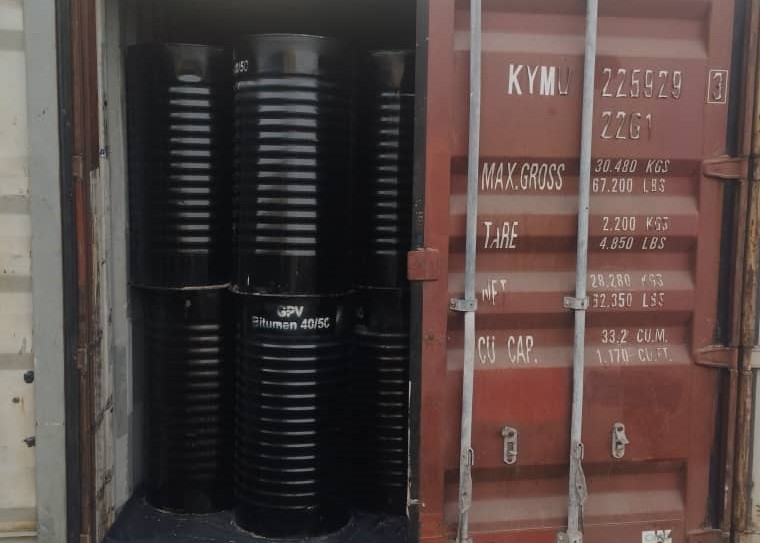
How is Gulf Petro Vision L.L.C preparing for these emerging trends?
Gulf Petro Vision L.L.C is aligning its laboratory capabilities with the latest ASTM and EN standards bitumen testing, investing in high‑precision viscometers, and establishing a dedicated nanomaterial research wing. By offering comprehensive testing services—including performance‑based assessments, nano‑additive compatibility studies, and sustainability audits—the company positions itself as a critical partner for contractors seeking resilient, eco‑friendly pavement solutions.
- Integrate AI‑driven data analytics for quicker result interpretation.
- Expand on‑site testing kits for real‑time quality control.
- Collaborate with universities on climate‑resilient mix designs.
In conclusion, rigorous Bitumen Tests are paramount for maintaining the integrity of pavement materials and ensuring long-lasting road performance. As standards evolve, particularly with the anticipated updates in 2025, staying informed about the latest ASTM and EN standards is critical. Gulf Petro Vision L.L.C remains dedicated to providing high-quality bitumen and supporting informed decision-making in the industry.