Cutback Bitumen: A Complete Guide
Cutback bitumen, a versatile petroleum product, remains a crucial component in road construction and maintenance. This article provides a comprehensive overview of its applications, safety considerations, and specifications, catering to professionals in the field. Gulf Petro Vision L.L.C, a leading bitumen supplier in the Middle East, offers a range of grades to meet diverse project needs.
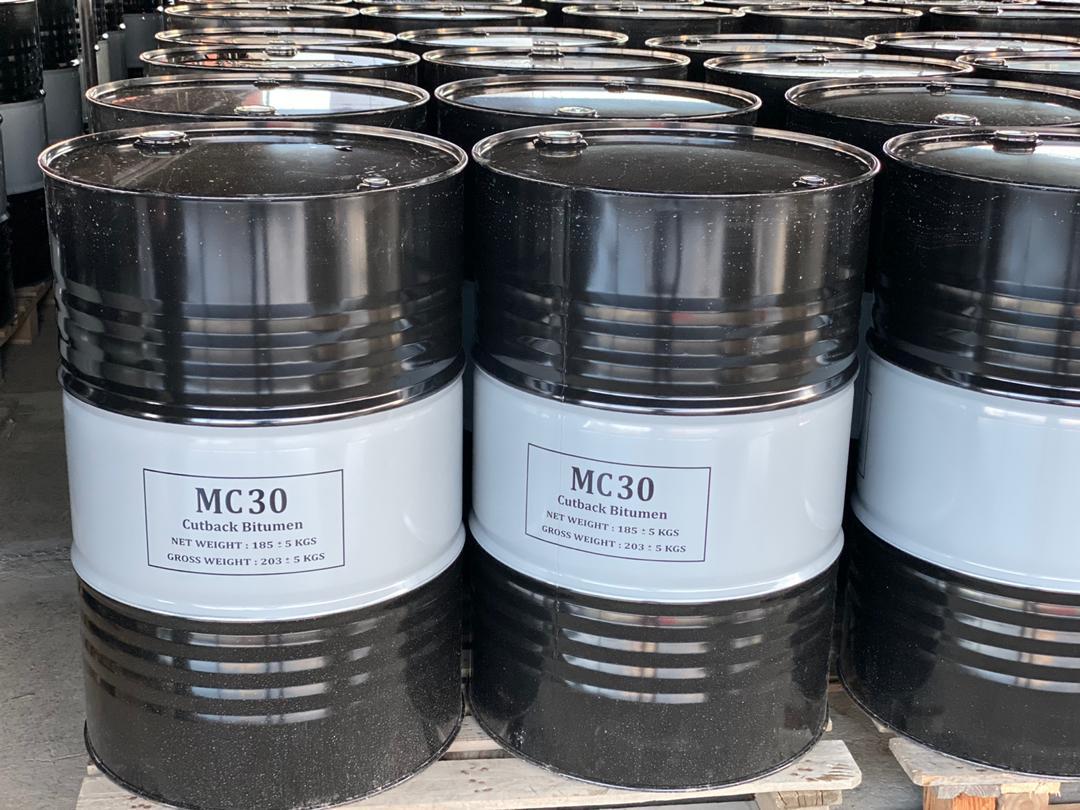
What primary road‑maintenance tasks benefit from cutback bitumen?
Cutback bitumen is most frequently deployed for three core functions: patching potholes and cracks, spray‑dressing (surface treatment), and producing cold‑mix asphalt. In each case the liquid carrier—typically a mineral solvent—lowers the viscosity of the binder, allowing rapid placement without the need for hot‑mix plants.
How does cutback bitumen improve patching and tack‑coating?
When a surface is cleaned and a thin layer of cutback bitumen is applied as a tack coat, the adhesive bond between the existing pavement and the new cold‑mix or hot‑mix overlay is dramatically enhanced. Grades such as MC70 (mineral‑cut) and RC70 (residual‑cut) are preferred for thin‑film applications because their 70 % solvent content provides excellent wetting while the residual bitumen supplies sufficient film strength.
Why choose spray‑dressing bitumen grade for surface treatment?
Spray dressing creates a protective skin that reduces dust, seals minor cracks, and improves skid resistance. The low‑temperature nature of cutback bitumen makes it ideal for winter or night work when heating equipment is unavailable. The solvent evaporates quickly, leaving a hard, water‑repellent coating.

When is cold mix asphalt the best solution?
Cold mix asphalt, bound with cutback bitumen, is the go‑to option in remote locations, emergency repairs, or projects lacking on‑site heating facilities. The mixture can be prepared on‑site with simple batching equipment, and the resulting pavement gains sufficient strength within hours. Using RC70 in a 1 % binder‑to‑aggregate ratio yields a durable layer that meets traffic‑load requirements for low‑volume roads.
Relative share of cutback bitumen applications in typical municipal road‑maintenance programs.
Weather plays a crucial role: temperatures above 5 °C accelerate solvent evaporation, while sub‑zero conditions may require a slight increase in binder dosage to maintain workability. Selecting the appropriate grade—MC70 for rapid curing, RC70 for stronger film—ensures performance and longevity.
For a deeper dive into specifications and safety considerations, see the complete guide to cutback bitumen that outlines cutback bitumen specifications, handling practices, and environmental best practices.
When working with cutback bitumen, understanding the hazards is the first line of defense. The material is highly flammable, releases volatile organic compounds (VOCs) that can cause dizziness or respiratory irritation, and can cause severe skin burns on contact. Recognising these risks helps crews plan safe work‑flows before any mixing or paving begins.
Proportion of primary hazards associated with cutback bitumen.
What personal protective equipment is required for site worker bitumen safety?
Workers must wear solvent‑resistant gloves, chemical‑impermeable coveralls, safety goggles or a full face shield, and a respirator rated for organic vapours (e.g., N‑99). A disposable liner under gloves adds a barrier against spills. Regular PPE inspection prevents hidden wear that could lead to exposure.
Why is proper ventilation and fire prevention essential for cutback bitumen operations?
Enclosed spaces can quickly accumulate fumes, raising explosion risk. Continuous mechanical ventilation, local exhaust hoods, and spark‑free tools keep vapor concentrations below the lower explosive limit. Keep fire‑extinguishers (Class B) and sand buckets within arm’s reach, and enforce a strict no‑smoking policy.

What emergency steps should be taken after a spill or exposure?
Immediately evacuate the area, activate the spill‑response plan, and contain the leak with absorbent pads. For skin contact, flush with water for at least 15 minutes and remove contaminated clothing. Inhalation symptoms require fresh air and medical evaluation. All incidents must be logged in the site safety register.
How do you interpret the cutback bitumen safety data sheet?
The SDS outlines hazard classification, first‑aid measures, handling/storage instructions, and personal protection details. Pay special attention to sections 1 (Identification), 2 (Hazard(s) Identification), 8 (Exposure Controls), and 11 (Toxicological Information) to tailor site‑specific controls.
What long‑term health effects can result from repeated exposure?
Chronic inhalation may lead to respiratory sensitisation, while repeated skin contact can cause dermatitis and, in extreme cases, systemic solvent effects such as liver or kidney strain. Implement routine medical surveillance for crews handling high‑volume applications.

Which storage and transportation practices minimise risk?
Store containers in cool, well‑ventilated areas away from ignition sources. Use sealed, colour‑coded drums with proper grounding during transfer to prevent static discharge. Regularly inspect seals and label integrity.
What regulations govern cutback bitumen handling in 2025?
In 2025 the EU REACH amendments classify many cutback grades as hazardous, mandating a risk‑assessment report and worker training certification. OSHA updates require exposure monitoring if vapour levels exceed 0.5 ppm over an 8‑hour shift. Keep documentation current to avoid compliance penalties.
For a broader overview of applications, specifications, and performance, see the Cutback Bitumen: A Complete Guide.

Which cutback bitumen grade is best for patching?
When repairing pavement, the choice between cutback MC70, RC70, or newer low‑temperature formulations hinges on viscosity, curing time, and the type of distress you face. MC70, a mineral‑spirit cutback, stays fluid at lower temperatures, making it ideal for rapid patching on cold mornings. RC70, a naphtha‑cutback, cures faster and provides a harder surface, suitable for high‑traffic zones where early strength is critical.
Side‑by‑side view of MC70 and RC70 key properties.
How do viscosity and curing time differ between MC70 and RC70?
MC70 typically exhibits a viscosity of 600‑800 cP at 20 °C, while RC70 ranges from 300‑500 cP. Higher viscosity means better adhesion on vertical surfaces but can delay work in very cold climates. RC70’s lower viscosity allows deeper penetration into porous bases, yet it hardens within 2‑3 hours, reducing the window for adjustment.
What factors should guide the selection of the optimal cutback bitumen for patching?
Consider ambient temperature, traffic load, and the condition of the underlying strata. In sub‑zero environments, a low temperature bitumen—engineered to stay workable below –10 °C—outperforms traditional grades. For heavily trafficked arterials, prioritize faster‑curing RC70 or a high‑performance *cutback bitumen* with polymer additives. Base layer moisture content also dictates whether a tack coat or a spray dressing bitumen grade is required.
| Works at low temps | Requires warmer temps |
| Fast curing | Longer open time |
| Higher VOC emissions | Lower VOCs |
Can low temperature bitumen replace traditional cutback formulations in colder climates?
Emerging low temperature bitumen blends, often based on bio‑derived solvents, retain liquidity down to –15 °C and cure without excessive bleeding. Field trials through 2025 show up to 30 % reduction in crack propagation in freeze‑thaw cycles, positioning them as a credible alternative for northern road networks.
How do cutback bitumen suppliers support grade selection and safety?
Reputable *cutback bitumen suppliers* provide technical data sheets, viscosity curves, and on‑site training. Their engineers help match the grade to project specifics, ensuring compliance with the cutback bitumen guide and advising on personal protective equipment to address *site worker bitumen safety* concerns.

What are common cutback bitumen problems and how can they be solved?
Bleeding occurs when the solvent evaporates too quickly on hot surfaces; selecting a higher‑viscosity grade or adding a polymer stabilizer mitigates this. Cracking often stems from inadequate curing time on cold substrates—using a low temperature formulation or pre‑heating the base layer resolves the issue.
PROS
- Rapid strength gain
- Excellent penetration on porous bases
CONS
- Higher VOC emissions
- Potential for bleeding in hot weather
Understanding the nuances of cutback bitumen – from its various grades like MC70 and RC70 to its safety protocols – is essential for successful road projects. As we move into 2025, informed decisions regarding its application, especially when compared to bitumen emulsion, will be key. Gulf Petro Vision L.L.C is your trusted partner for quality bitumen solutions. Contact us today for a quote!