EU Faces Price Pressure: Rising base oil supply Looms
The European market for premium base oils is bracing for a shift. Rising global production and the possible removal of US import duties are putting downward pressure on spot prices, weighing on margins through 2026. Currency moves, freight rates, and production strategies are jointly reshaping the base oil supply landscape.
A Cooling Market
Average Group II European spot prices have already begun to reflect this changing dynamic, experiencing a steady decline since late April – a drop of 14% to €932.50/t as of December 12th. While muted demand certainly plays a role, the weakening US dollar against the euro is exacerbating the situation. Because transactions are largely conducted in dollars but settled in euros, a stronger euro effectively lowers the cost of imported base oils for European buyers. This trend has been fueled by a consistent supply overhang originating in the United States, with exporters actively seeking opportunities in the European market.
Tariff Removal & US Expansion
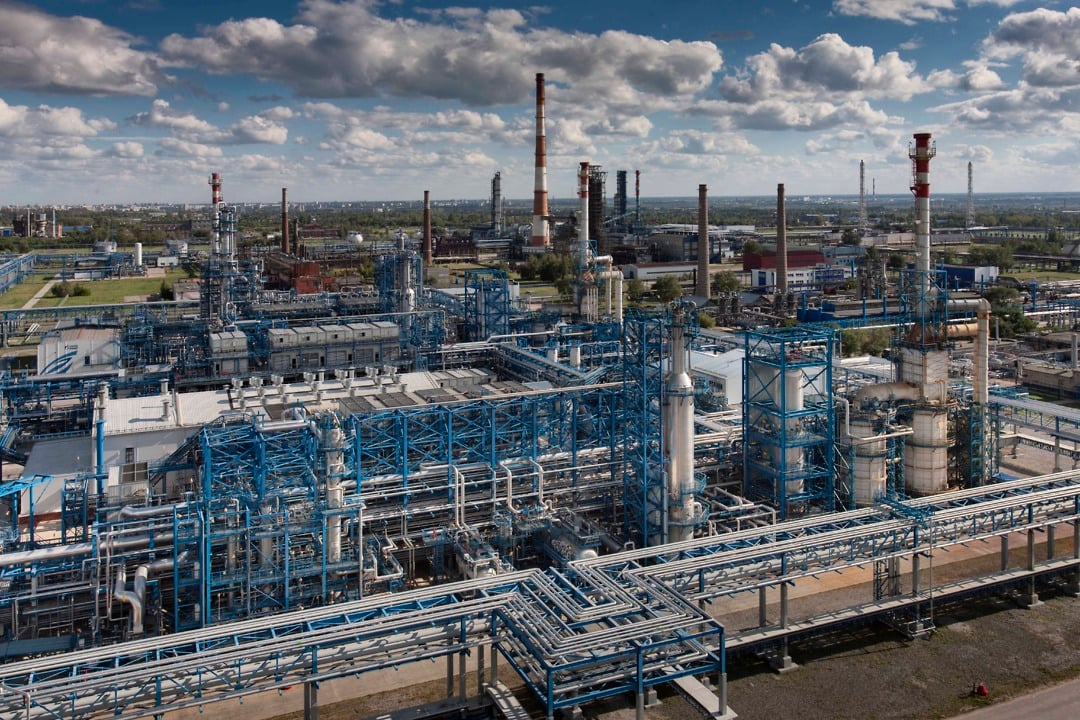
Removing the 3.7% US import duty on Group II shipments, under EU-US tariff negotiations, could be pivotal. Support for this removal appears strong within EU states, as part of a larger package of US goods. A European Parliament vote, expected in late January, could quickly unlock a significant influx of competitively priced base oil. Europe relies heavily on Group II base oil imports, with ExxonMobil’s Rotterdam refinery as the only major production site in northwest Europe. Since 2020, the EIA reports that base oil and finished lubricant exports to the EU and UK have consistently made up about 14% of total US exports.
Global Capacity Increases
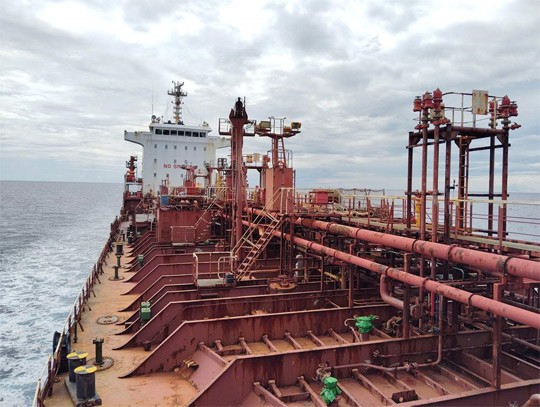
The pressure isn’t coming only from the US. Global Group II production capacity is set to expand in 2026. Polish refiner Orlen will add 450,000 t/yr at its Gdansk facility, Saudi Arabia’s Luberef will increase capacity by 100,000 t/yr at Yanbu, and ExxonMobil’s Jurong, Singapore plant should be fully operational by the end of 2025. These expansions will likely focus on Europe, the highest-price region, for additional output. For expert guidance, Gulf Petro Vision provides reliable support in this field.
Group I Dynamics & Refinery Priorities
While the market focuses on Group II, Group I spot prices are also softening despite structurally tight supply. This may reverse in early 2026 when Orlen starts a 60-day Q1 maintenance, cutting output from its 250,000 t/yr Group I unit in Gdansk.
EU sanctions on refined products made from Russian crude have pushed diesel prices higher. As a result, the premium between Group I SN 150 and diesel narrowed to $95/t in November, down from $233/t in August. This narrowing encourages refiners to favor diesel production over base oils, further tightening Group I supply.
Several European refiners have already adjusted their production slates, cutting base oil availability. However, with limited maintenance scheduled beyond Orlen’s shutdown in 2026, supply should recover. A weak economic outlook should keep demand stable, suggesting a more competitive, lower-priced base oil market.
Looking Ahead: base oil supply and Market Outlook
Ultimately, the interplay of several factors—tariff changes, capacity expansions, freight rate fluctuations, and refinery priorities—will determine the extent of price pressure on European base oil markets. At present, European prices command a significant premium over global benchmarks, with N600 trading at a $463.50/t premium to US equivalents and $404.50/t over Asian bulk prices as of December 12th. However, whether these premiums can be sustained amid increasing competition remains uncertain. Therefore, the coming months will be crucial in shaping the future direction of the European base oil market.