Emulsion Bitumen: A Complete Guide
Emulsion bitumen represents a versatile and cost-effective solution for a wide range of road maintenance and construction applications. This guide, brought to you by Gulf Petro Vision, provides a comprehensive overview of bitumen emulsions, covering everything from product selection and application techniques to safety protocols and current market trends. We aim to equip professionals with the knowledge needed for optimal performance.

How does emulsion bitumen differ from cutback bitumen in composition and performance?
Emulsion bitumen is a water‑based mixture where fine bitumen droplets are stabilized by an emulsifying agent, whereas cutback bitumen is a solvent‑diluted product that relies on volatile organic compounds (VOCs) to stay fluid. This fundamental chemical difference drives contrasting curing times, VOC emissions, and temperature sensitivities. Cutbacks cure quickly as solvents evaporate, but they release significant VOCs, raising environmental and safety concerns. Emulsion bitumen cures by water evaporation and droplet coalescence, offering a slower set that is advantageous for cold‑applied surface dressing.
What environmental advantages does emulsion bitumen offer over cutback?
Because it uses water instead of petroleum solvents, emulsion bitumen generates far lower VOC emissions and complies with stricter ASTM D7465 standard for bitumen emulsions. The reduced odor and flammability make it safer for workers and nearby communities, especially in urban projects.
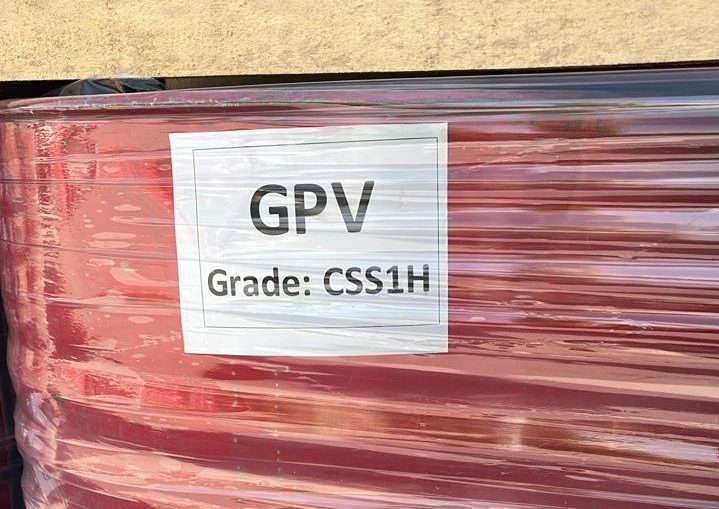
Which application considerations are critical for cold applied emulsion?
Surface preparation must be clean, dry, and free of loose particles to ensure proper adhesion. Temperature limitations are typically 5 °C to 30 °C; below this range, droplet coalescence slows, affecting cure. Correct mixing ratios—often 95 % emulsion to 5 % aggregate for slurry seal—must be adhered to, as over‑dilution can compromise film thickness and durability.
How does polymer modified bitumen emulsion improve road repair?
Adding polymers such as styrene‑butadiene‑styrene (SBS) enhances elasticity and resistance to rutting, making the emulsion bitumen suitable for high‑traffic surfaces and cold weather. The polymer network maintains flexibility at low temperatures, reducing cracking risk.
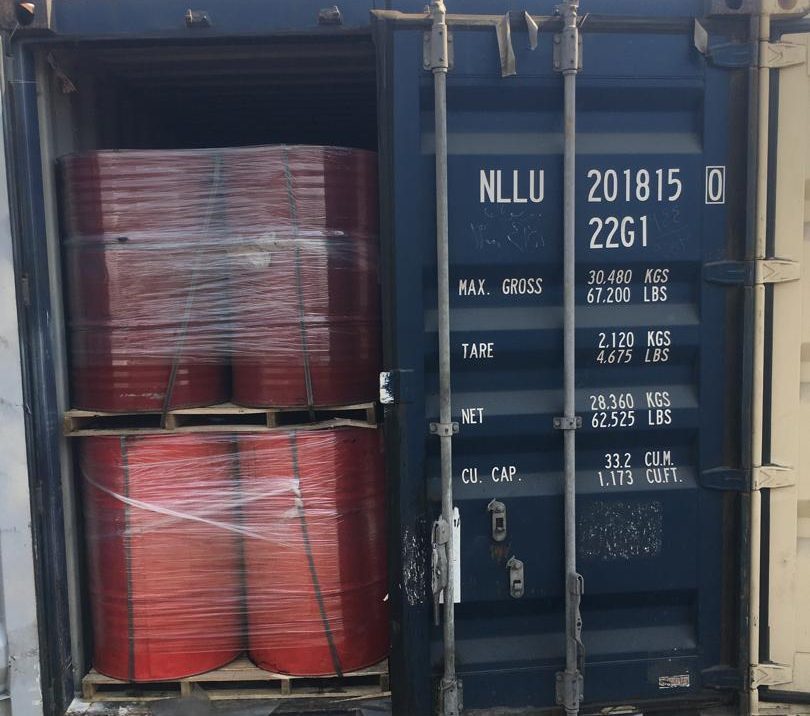
What role does emulsion stability testing play in successful slurry seal?
Stability tests—like the bottle test and centrifuge method—measure droplet breakage and separation. Consistent stability ensures uniform film formation and predictable curing, directly influencing the longevity of the surface dressing.
Key comparative metrics between emulsion and cutback bitumen.
For a deeper dive into practical guidance on using water‑based binders see Complete Guide to Bitumen Emulsion.
Understanding the 2025 tack coat emulsion rates is essential for budgeting and ensuring durable bond lines between pavement layers. Rates vary by region, road classification, and the specific formulation of used for the job. In North America, highway projects typically target 0.45 L/m², while rural roads often apply 0.30 L/m² to accommodate lower traffic stress. European contractors follow a similar range but may increase the rate to 0.50 L/m² on heavily trafficked motorways due to stricter surface‑dressing standards.
Regional variations in tack coat emulsion rates for 2025.
What are the 2025 tack coat emulsion rates and how does emulsion bitumen affect road repair?
Project planners must incorporate the cost impact of the selected rate, even without disclosing absolute prices. Higher application volumes increase material consumption and fuel usage for spray rigs, influencing total project expenditure. Conversely, under‑application jeopardises bond integrity, leading to premature cracking and costly remedial work.

How do traffic volume and surface texture influence the selected application rate?
High traffic volumes demand thicker coats to resist shear forces, while smooth, well‑graded surfaces accept thinner layers. Environmental factors—temperature, humidity, and seasonal freeze‑thaw cycles—also dictate whether a cold applied emulsion is preferable, as it offers better workability in sub‑zero conditions without compromising adhesion.
What methods ensure accurate measurement and control of tack coat delivery?
Calibration of spray equipment before each shift is mandatory. Modern flow‑meter kits provide real‑time feedback on liters per hectare, enabling operators to adjust nozzle pressure instantly. Routine use of a comprehensive guide to bitumen emulsion applications helps maintain consistency across crews.
By integrating these best practices—region‑specific rates, traffic‑based adjustments, and precise spray calibration—road agencies can achieve reliable bonding, extend pavement life, and keep budgets on track. For further technical standards, consult the FHWA pavement technology resources.
Handling bitumen emulsion safely is a non‑negotiable part of modern road maintenance. By mastering the information on the bitumen emulsion safety data sheet (SDS) and following strict storage rules, crews protect themselves, the public, and the environment while achieving consistent surface dressing results.

Why is Understanding emulsion bitumen Safety Data Sheets Critical for Road Maintenance?
The SDS acts as the first line of defense. It lists hazard classifications—such as skin irritation, fire risk, and accidental ingestion—along with symbols that must be displayed on site. First‑aid measures are clearly defined: flush skin with water for at least 15 minutes, seek medical attention for inhalation, and neutralize spills with inert absorbents. Personal protective equipment (PPE) typically includes chemical‑resistant gloves, goggles, a face shield, and a flame‑retardant coverall.
What Hazard Information Is Found on a Bitumen Emulsion SDS?
Key sections include:
- Identification of substances (e.g., polymer‑modified bitumen emulsion).
- Fire‑fighting instructions and extinguishing media.
- Ecological impact notes—highlighting aquatic toxicity.
- Transport classification for safe logistics.
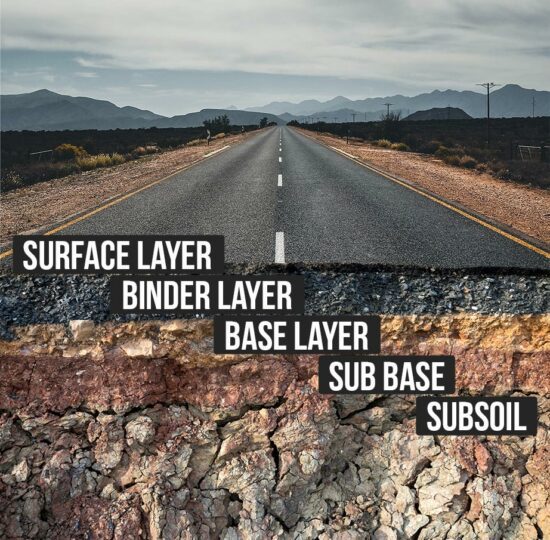
How Should Bitumen Emulsion Be Stored to Prevent Accidents?
Optimal storage keeps the product between 5 °C and 35 °C. Containers must be made of stainless‑steel or approved HDPE, sealed tightly, and placed on spill‑containment pallets. The chart below visualises recommended temperature bands.
Temperature ranges for safe storage of bitumen emulsion.
Which Practices Reduce Environmental Impact of Improper Disposal?
Never pour leftover emulsion into drains. Collect residues in sealed containers for licensed waste handlers. The SDS’s “Ecological Information” section guides on biodegradability and soil contamination thresholds.
What Maintenance Steps Keep Spray Equipment Safe?
Regularly flush nozzles with warm water, inspect seals for wear, and verify pressure gauges. Cleaned equipment prevents aerosolised droplets that could bypass PPE.

How Do Cold‑Weather Emulsion Bitumen Formulations Change Safety Protocols?
Cold applied emulsion retains higher water content, increasing slip‑hazard potential. Workers must wear anti‑slip boots and ensure adequate ventilation to avoid condensation‑related inhalation risks.
What Training Is Required for Road Maintenance Teams Using Bitumen Emulsion?
All personnel must complete a certified OSHA safety course covering SDS interpretation, PPE use, spill response, and equipment inspection. Refresher modules are recommended annually.
Successfully implementing road maintenance strategies relies on a thorough understanding of materials like emulsion bitumen. From selecting the appropriate type for cold weather applications to adhering to surface dressing standards, proper knowledge is crucial. Gulf Petro Vision remains committed to providing high-quality bitumen products and expert guidance. Contact us today to discuss your project needs and explore our 2025 offerings.