Trump’s Blockade Threatens Venezuelan Oil Exports
Venezuela’s ability to maintain its crucial oil exports is facing a significant challenge as a U.S. blockade threatens its supply of Russian naphtha, a vital component in processing the nation’s heavy crude. The move, announced by former President Donald Trump, targets tankers sanctioned for dealings with Venezuela, potentially disrupting a lifeline for the South American country’s oil industry.
A Critical Diluent
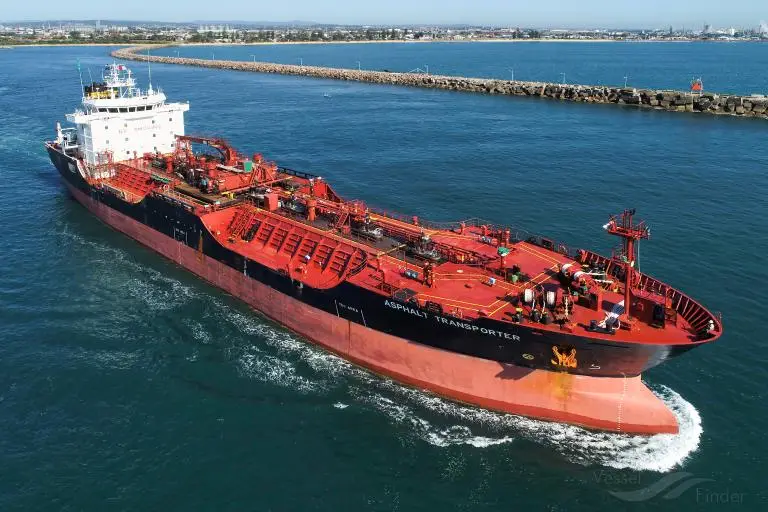
Venezuela relies heavily on naphtha to dilute its extra-heavy crude oil, making it flow more easily through pipelines for export. When other sources dried up earlier this year, Russia stepped in to fill the gap, becoming a primary supplier. However, these Russian shipments are often carried on vessels already under U.S. sanctions, making them vulnerable to interception. This reliance on sanctioned carriers is now proving to be a major vulnerability for Venezuela.
Tanker Turnarounds and Rising Prices
The immediate impact of the blockade announcement was a surge in oil prices, climbing over 2% on Wednesday as traders assessed the potential disruption. Evidence of the impact is already visible in shipping data. At least one tanker, carrying approximately 32,000 metric tons of Russian naphtha destined for Venezuela, abruptly altered course last week, now heading towards Europe with its cargo still onboard. This diversion highlights the immediate chilling effect of the U.S. action on vital supply lines.
Potential Production Losses
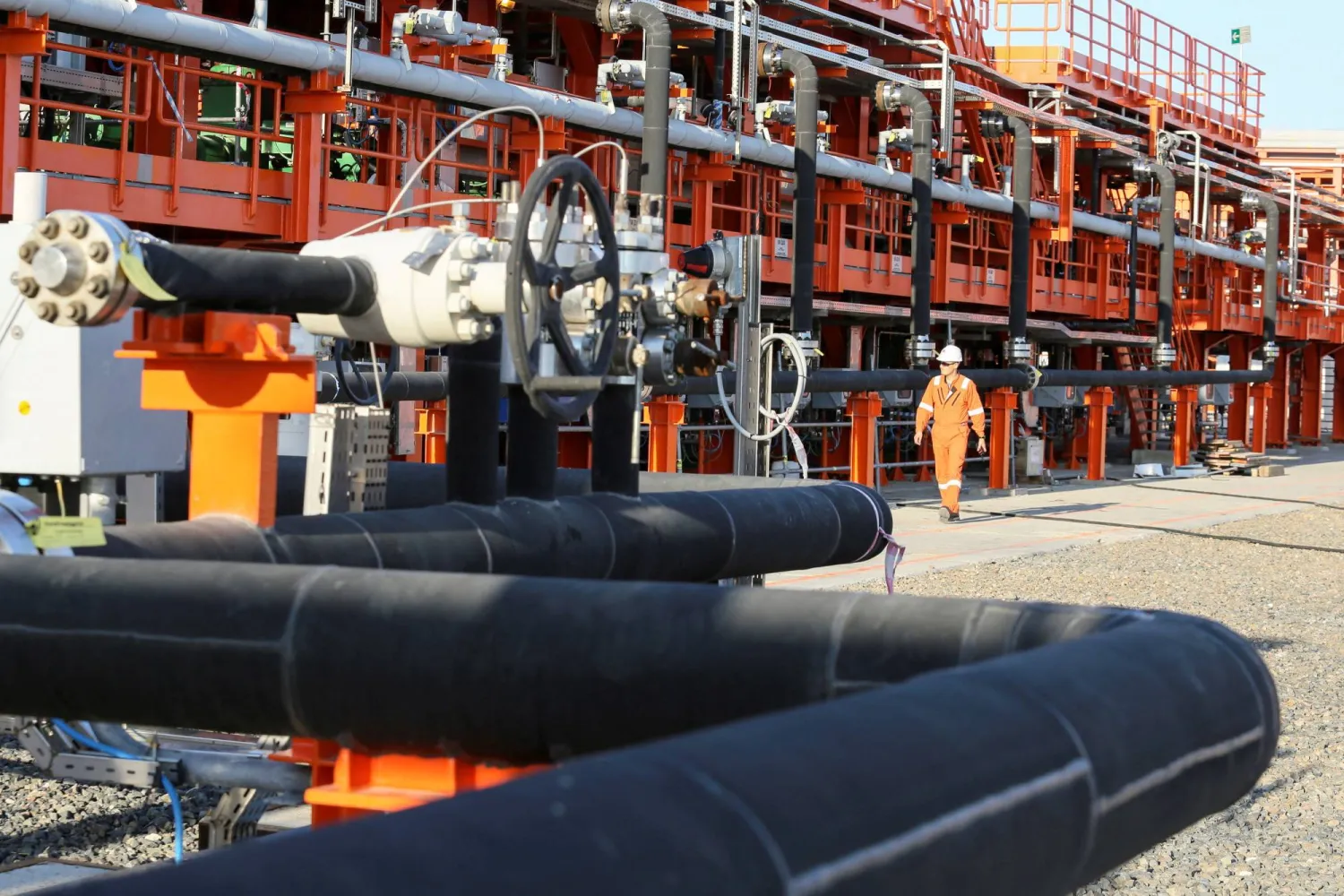
Analysts estimate that a prolonged disruption could lead to a substantial decline in Venezuela’s oil production, potentially losing up to 500,000 barrels per day (bpd). Venezuela currently exports around 600,000 bpd, with the majority heading to China. A significant reduction in Venezuelan output would undoubtedly ripple through global markets, particularly impacting Asian buyers. The situation is further complicated by ongoing geopolitical factors, such as the conflict in Ukraine, which are simultaneously influencing oil prices. Readers seeking deeper insights can contact Gulf Petro Vision for industry guidance.
Navigating a Complex Landscape
The blockade isn’t simply a matter of cutting off a single supply route. It’s a complex maneuver within a broader web of sanctions and geopolitical tensions. The U.S. has long sought to limit Venezuela’s oil revenue as a means of pressuring the government, but these efforts have often had unintended consequences, including exacerbating economic hardship for the Venezuelan people. The current situation underscores the delicate balance between geopolitical strategy and the practical realities of global energy markets. The effectiveness of the blockade will depend on how rigorously it’s enforced and whether alternative supply routes can be established – a challenging prospect given the existing sanctions regime. The future of Venezuelan oil exports remains uncertain, but the current situation clearly demonstrates the vulnerability of energy supply chains to political intervention.

The Future of Venezuelan Oil Exports
The long-term implications of this blockade are still unfolding. While hopes for peace in Ukraine offered some temporary relief to oil prices, the underlying risk to Venezuelan oil exports remains. The ability of Venezuela to adapt and find alternative diluents, or for Russia to circumvent the sanctions through different shipping arrangements, will be crucial in determining the extent of the disruption. The situation serves as a stark reminder of the interconnectedness of the global oil market and the potential for geopolitical events to rapidly reshape supply dynamics.