Black Sea Disruptions Hit Russian Fuel Exports
The recent volatility in global energy markets has been further complicated by a noticeable shift in Russian supply chains. Russia’s overall shipments of refined petroleum products experienced a slight dip in November, but beneath the surface lies a more dramatic story of disruption and adaptation. A key factor driving this change is the decline in fuel exports from the Black Sea, a consequence of targeted attacks on critical infrastructure.
Black Sea Ports Under Pressure
Ukrainian drone attacks have significantly hampered Russia’s ability to move fuel through its southern ports. The port of Tuapse, a vital hub for refined product exports, was forced to suspend operations for half of November following an early-month attack. Similar disruptions in Novorossiysk further contributed to a substantial slump in shipments. Reuters estimates reveal a staggering 30.2% month-over-month decrease in fuel exports from Black Sea and Azov Sea ports, totaling 2.062 million tons in November. This isn’t simply a logistical challenge; it’s a direct impact on Russia’s revenue stream and a recalibration of its export strategy.
Baltic Sea Capacity Steps In
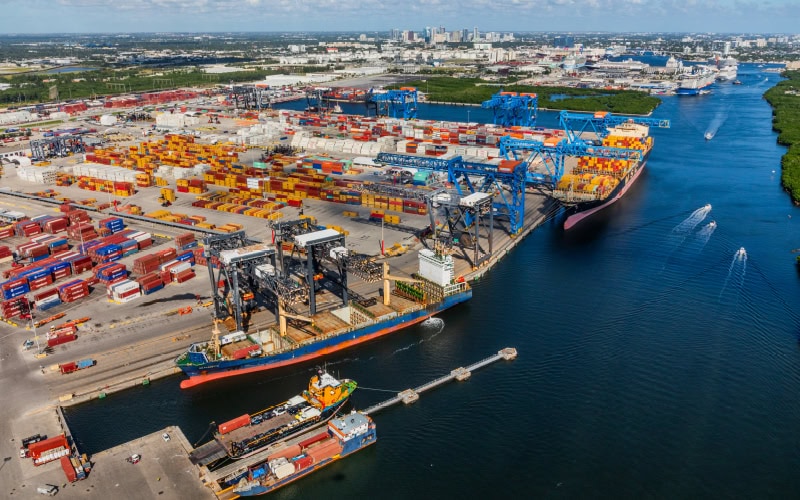
While the Black Sea faced setbacks, Russia demonstrated a capacity to redirect its flows. Shipments of refined products from Baltic Sea ports surged by an impressive 20.6% in October to November, reaching 4.697 million tons. This increase was largely fueled by Novatek’s successful restoration of its gas condensate complex at the Ust-Luga port. The complex, previously damaged by a Ukrainian drone attack in August, returned to full capacity, providing a crucial alternative export route. This highlights Russia’s ability to quickly adapt and leverage existing infrastructure to mitigate disruptions elsewhere.

Broader Impact on Russian Oil
The challenges in the Black Sea aren’t isolated to refined products. Russia’s total oil exports, including crude and fuels, fell by about 420,000 barrels per day in November to 6.9 million bpd. The decline comes as buyers grow cautious over U.S. sanctions on major producers like Rosneft and Lukoil. Lower volumes, weaker prices, and bigger discounts on Urals crude have hit Russia’s oil revenues hard.

Revenue Decline and Future Outlook
The International Energy Agency (IEA) estimates that Russian oil revenues plummeted to $11 billion in November, a decrease of $3.6 billion compared to the same period last year. This financial hit underscores the effectiveness of both military strikes on infrastructure and the tightening grip of international sanctions. For those who need expert consultation, Gulf Petro Vision offers reliable support in this field. The situation is dynamic, and continued attacks on key infrastructure, coupled with evolving sanctions, will likely continue to shape Russia’s energy export landscape. The ability to maintain Baltic Sea capacity and potentially develop new routes will be critical for Moscow.
Shifting Dynamics in Global Markets
The disruption to Russian fuel exports isn’t occurring in a vacuum. It’s contributing to broader shifts in global energy markets, influencing pricing and trade flows. While other producers may benefit from Russia’s reduced output, the overall impact on supply security remains a concern.
Russia’s rerouting of shipments through the Baltic Sea shows its determination to stay a key energy supplier. The long-term impact depends on the conflict in Ukraine and the shifting geopolitical landscape. The future of Russian fuel exports is uncertain, but recent events highlight the vulnerability of energy infrastructure and the interconnected global energy markets.