Waterproof Bitumen Packaging: Ensuring Quality & Compliance
Waterproof Bitumen Packaging is critical for maintaining product integrity, ensuring safe transport, and adhering to stringent industry regulations. At Gulf Petro Vision, we understand the challenges of storing and moving this valuable commodity. This article provides a detailed overview of solutions, standards, and upcoming changes impacting bitumen packaging in 2025, helping you optimize your operations.

What materials are used for Waterproof Bitumen Packaging and why does the choice matter?
Bitumen packaging solutions must keep the product temperature‑stable, seal out moisture, and resist chemical attack. The most common carriers are steel drums, intermediate bulk containers (IBCs), and high‑density polyethylene (HDPE) plastic containers. Each offers a distinct balance of waterproofing capability, structural strength, and lifecycle impact, influencing compliance with bitumen packaging regulations 2025 and overall project cost.
How do steel drums, IBCs, and plastic containers compare for moisture‑proof bitumen storage?
Steel drums provide a rigid, leak‑tight shell that can be internally coated with epoxy or a polyethylene liner. IBCs combine a stainless‑steel frame with a composite inner liner, while HDPE containers rely on the polymer’s inherent water resistance.
PROS
- Steel drums: excellent mechanical strength, compatible with heavy‑duty bitumen packaging.
- IBCs: modular handling, lower weight than solid steel.
- HDPE: inherently water‑resistant, corrosion‑free.
CONS
- Steel drums: prone to rust if coating fails.
- IBCs: liner puncture risk, higher upfront cost.
- HDPE: limited for very high‑temperature grades.
Which waterproof coating delivers the best protection for bitumen containers?
Epoxy coatings create a hard, chemical‑resistant barrier inside steel drums, but they can crack under thermal cycling. Polyethylene liners, whether bonded to steel or used as a standalone container, offer seamless water resistance and flexibility, making them the preferred choice for long‑term storage of soft‑grade bitumen.

What impact does material choice have on cost, lifecycle, and environmental stewardship?
Steel drums have lower unit cost but may require periodic recoating, increasing maintenance expenses. IBCs deliver higher reuse rates, reducing total bitumen packaging cost over multiple shipments. HDPE containers, though more expensive initially, avoid corrosion and can be recycled, aligning with bitumen packaging and environmental protection goals.
For projects focusing on sustainability, consider reusable HDPE or biodegradable composite containers as emerging alternatives.
Bar chart ranking the waterproof performance of common bitumen containers.
Choosing the right Waterproof Bitumen Packaging hinges on the specific bitumen grade, transport distance, and regulatory expectations. For a deeper dive into complementary packaging approaches, see Bitumen Jumbo Bag Packaging: Solutions for 2025.
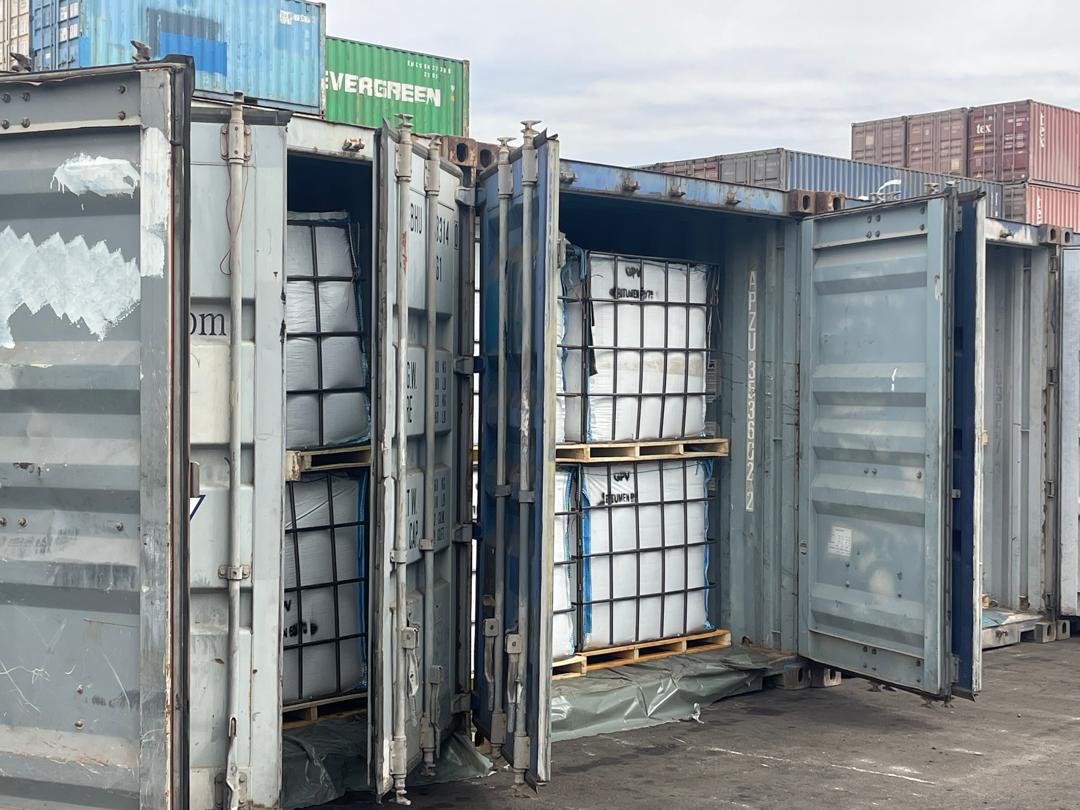
What are the key changes in bitumen packaging regulations for 2025?
The 2025 revision of the Bitumen Jumbo Bag Packaging: Solutions for 2025 initiative drives tighter limits on hazardous‑material transport. The IMDG Code now mandates a minimum 24‑hour moisture‑resistance test for all liquid bitumen containers, while the ADR adds a mandatory “temperature stability” label for shipments above 80 °C. Regional bodies in the EU, GCC, and NAFTA are aligning with these standards, introducing stricter documentation checkpoints and electronic proof‑of‑compliance (e‑PoC) platforms.
Index illustrates the relative increase in compliance complexity across major jurisdictions.
How will Waterproof Bitumen Packaging meet the new IMDG and ADR requirements?
New standards demand containers that resist moisture ingress, thermal cracking, and chemical leaching. Heavy‑duty bitumen packaging now incorporates a dual‑layer waterproof coating for bitumen packaging, delivering moisture proof bitumen storage even in humid sea‑freight conditions. Labels must display a QR‑code linking to the product’s test certificate, and documentation must detail container‑ID, batch number, and a 30‑day post‑shipment inspection report.

Why is third‑party certification critical for compliance?
Independent labs issue certificates that verify compliance with the updated bitumen packaging standards. These certificates are accepted by customs authorities, reducing the risk of fines or shipment delays. Moreover, third‑party testing validates that the chosen best bitumen packaging materials fulfill both waterproof performance and environmental protection criteria.
What challenges arise from evolving environmental protection standards?
Regulators require recyclable or reusable waterproof bitumen containers, and disposal routes now demand traceable waste streams. Suppliers must balance cost with the need for water‑resistant bitumen wrap that meets circular‑economy goals, prompting a shift toward steel‑lined drums with removable liners.
PROS
- Enhanced moisture resistance reduces product loss.
- Compliance avoids costly penalties.
- Improved environmental footprint.
CONS
- Higher upfront packaging cost.
- Need for ongoing certification audits.
Why is Long‑Term Waterproof Bitumen Packaging Essential?
Bitumen is a hygroscopic material; even minimal moisture ingress can trigger oxidation, emulsification, and microbial growth that deteriorate its visco‑elastic properties. Over months or years, these processes generate surface cracks, reduce adhesion, and compromise the performance of waterproof membranes. For projects that rely on consistent bitumen quality, such as road‑paving or roofing, long‑term storage integrity is non‑negotiable.

What degradation mechanisms threaten bitumen during extended storage?
Beyond water, airborne contaminants, temperature cycling, and UV exposure accelerate paraffin separation and aging. When moisture penetrates the container, it mixes with the bitumen, forming a weak emulsion that can separate on cooling, leading to uneven distribution of binder in the final mix. Contaminants such as dust or solvents also alter the chemical balance, causing premature hardening.
How do specialized liners, desiccant technology, and controlled atmospheres protect bitumen?
Effectiveness of different waterproof bitumen packaging solutions.
Specialized liners act as a primary barrier, while silica‑based desiccants absorb stray humidity. Controlled‑atmosphere storage maintains a low‑dew point environment, drastically reducing the risk of water intrusion.
Can water resistant bitumen wrap replace heavy‑duty waterproof bitumen containers?
Water‑resistant wrap offers a quick, low‑cost seal for short‑term moves, but it lacks the mechanical strength to withstand stacking loads or temperature‑induced expansion. For long‑term storage, robust containers with reinforced seams are required to meet Bitumen Jumbo Bag Packaging: Solutions for 2025 standards.
Why choose reputable waterproof bitumen containers from certified suppliers?
Certified suppliers provide containers tested against bitumen packaging standards, offering traceable compliance documentation. Their products often include integrated waterproof coatings that extend service life and simplify inspection regimes.

What impact do temperature fluctuations have on packaging integrity?
Repeated heating and cooling cause container walls to expand and contract, creating micro‑cracks that become pathways for moisture. Heavy‑duty packaging, typically constructed from high‑density polyethylene or steel, resists these stresses. Investing in such solutions reduces the risk of costly product spoilage and rework, delivering a clear cost‑benefit advantage.
Regular inspection—checking seals, liner condition, and desiccant saturation—is essential to maintain the effectiveness of any waterproof bitumen packaging system over its service life.
Selecting the right approach to Waterproof Bitumen Packaging is paramount for preserving quality, minimizing environmental impact, and ensuring regulatory compliance. Gulf Petro Vision L.L.C is dedicated to providing expert guidance and high-quality bitumen grades to meet your specific needs. Contact us today to discuss your packaging requirements and secure a reliable supply chain.