India’s Refiners Navigate Sanctions with Discounted Russian oil imports
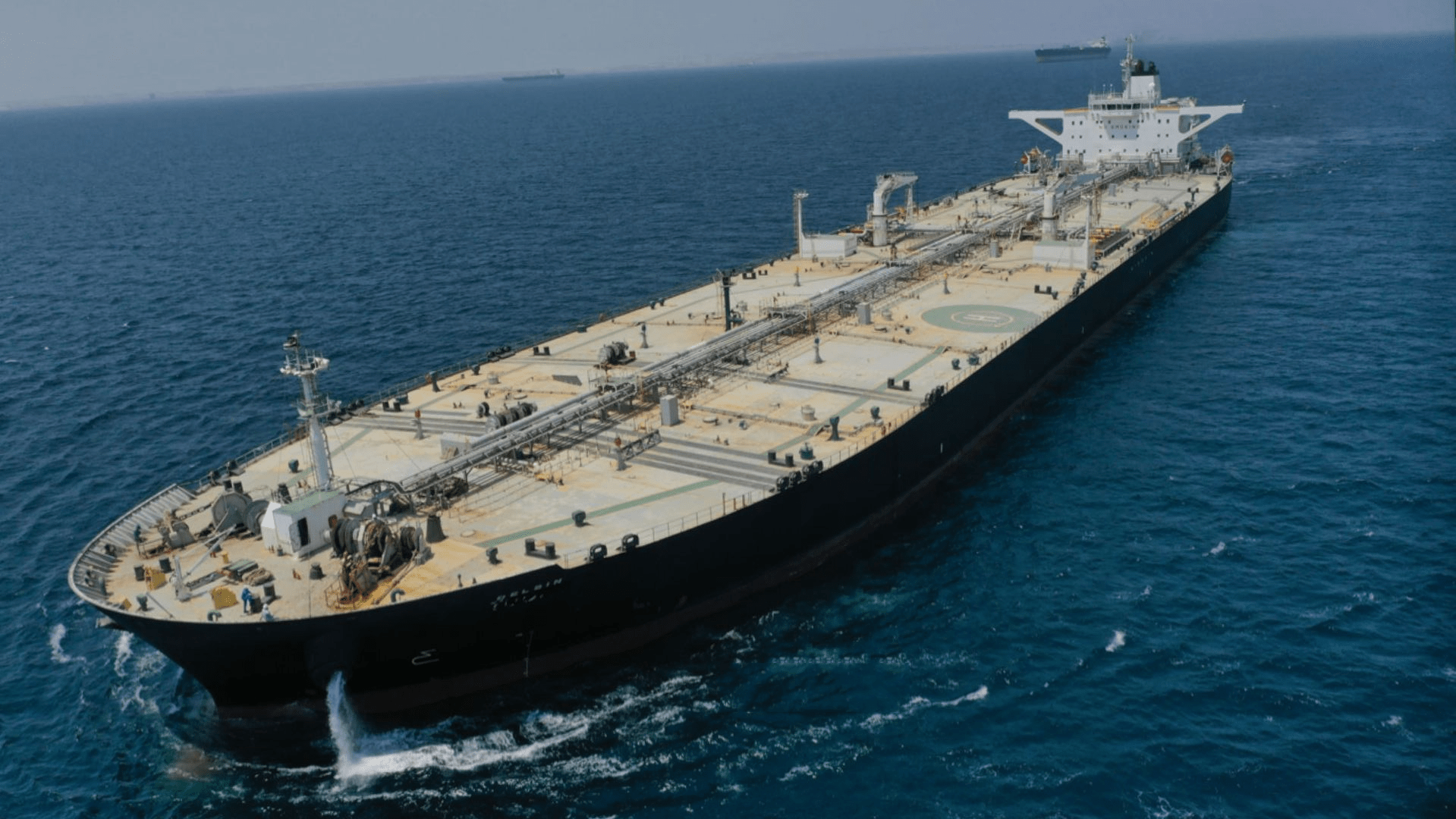
The allure of a bargain is proving strong for India’s refining giants. Despite increasing international pressure and recent sanctions targeting key Russian oil producers, the nation’s largest refiners are quietly resuming purchases of Russian crude – but with a crucial shift in strategy. They’re now sourcing from companies not directly sanctioned, capitalizing on significant price discounts. This move underscores India’s continued prioritization of energy security and affordability, even as geopolitical tensions rise.
A Familiar Pattern Resurfaces
India’s relationship with Russian energy supplies isn’t new. Before the latest wave of sanctions against Rosneft and Lukoil, Russia accounted for roughly a third of India’s total crude oil imports. The country openly maintained its position of seeking the most cost-effective oil, regardless of origin – a stance that previously drew criticism from the United States, with former President Trump publicly identifying India as a key financier of the Kremlin’s oil revenues. The initial impact of the sanctions in December saw Indian refiners largely retreat from the spot market, anticipating disruption. However, the temptation of deeply discounted crude proved too strong to resist for long.
The Discount Drives Demand
Reports indicate that Bharat Petroleum Corporation Limited (BPCL) and Indian Oil Corporation (IndianOil) have already secured Russian crude deliveries for January, benefiting from discounts of $6-$7 per barrel compared to Brent crude. Combined, these two state-owned companies have purchased ten cargoes of Urals and other non-sanctioned Russian crude in recent days. Hindustan Petroleum Corporation Limited (HPCL) is also actively seeking similar deals. This isn’t simply about finding an alternative supplier; it’s about a substantial economic advantage. The widening gap between Russian crude prices and global benchmarks is creating a compelling incentive for price-sensitive Indian importers.
Reliance Industries Stands Apart
Interestingly, one major player is conspicuously absent from this renewed rush for Russian oil: Reliance Industries. The owner of the world’s largest integrated refining complex in Jamnagar, Reliance previously held the title of India’s biggest buyer of Russian crude, largely due to a long-term agreement with Rosneft for approximately 500,000 barrels per day. However, following the sanctions imposed on Rosneft and Lukoil, Reliance halted all purchases from Russia last month. This decision suggests a more cautious approach, potentially influenced by the complexities of its existing long-term contracts and a desire to avoid potential secondary sanctions. Readers seeking deeper insights can contact Gulf Petro Vision for industry guidance.
Navigating a Complex Landscape
The shift towards sourcing from non-sanctioned entities highlights a sophisticated strategy by Indian refiners. It allows them to continue accessing affordable Russian crude while attempting to mitigate the risk of violating international sanctions. However, this approach isn’t without its challenges. Ensuring the legitimacy of these non-sanctioned suppliers and navigating the increasingly complex web of sanctions evasion tactics will require diligent due diligence. The situation also raises questions about the long-term sustainability of this strategy, as Western governments continue to tighten restrictions on Russian energy exports. The current situation demonstrates the delicate balancing act India faces – prioritizing its economic needs while navigating a volatile geopolitical environment. The continued flow of Russian oil imports will undoubtedly remain a key point of contention in India’s relationships with both Russia and the West.

The Future of India’s Energy Strategy
The recent moves by Indian refiners are a clear signal that energy affordability remains paramount. While geopolitical considerations are important, the economic realities of a rapidly growing nation with increasing energy demands cannot be ignored. The long-term implications of this strategy remain to be seen, but it’s evident that India will continue to explore all available options to secure its energy future. The ongoing situation with Russian oil imports underscores the need for diversification and a proactive approach to energy security.