Bitumen supplier in South Korea: Your Trusted Source
Bitumen supplier in South Korea is crucial for the nation’s robust infrastructure development. As a key component in road construction and pavement, securing a reliable and high-quality bitumen supply is paramount. This article provides a comprehensive overview of the Korean bitumen market, covering supply chains, import regulations, and future trends, with insights from Gulf Petro Vision.
What Are the Key Components of the South Korea Bitumen Supply Chain?
The bitumen supply chain South Korea represents a meticulously orchestrated process that ensures a steady flow of this essential material for infrastructure projects. Primarily derived from crude oil refining, bitumen travels from global origins to power the nation’s road construction and pavement needs. Understanding this chain is vital for stakeholders seeking reliable partners like a top bitumen supplier in South Korea.
Where Does Bitumen Originate for Korean Construction Sites?
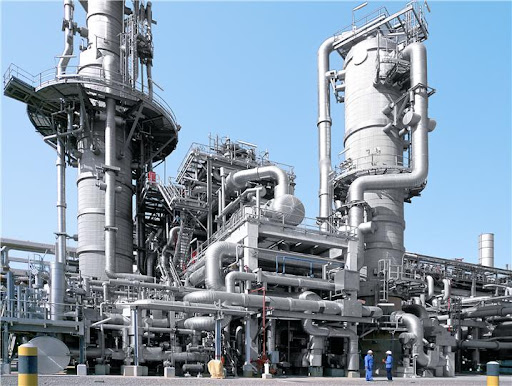
Bitumen’s journey begins in major exporting countries such as those in the Middle East, including Saudi Arabia and the UAE, alongside significant contributions from China. These regions refine heavy crude into penetration-grade and performance-grade bitumen suited for bitumen for road construction in Korea. Loaded onto specialized tankers, it crosses vast oceans, docking at key ports like Busan and Incheon.
This doughnut chart depicts the approximate share of bitumen import sources to South Korea, underscoring Middle Eastern dominance.
Who Are the Main Stakeholders from Exporters to End-Users?
Exporters from source countries coordinate with importers adhering to strict bitumen import regulations South Korea, including quality certifications and customs protocols. Importers, often large trading firms, hand off to distributors who manage inland transport. End-users, such as construction companies, utilize it for pavements. A dependable bitumen supplier in South Korea bridges importers and distributors, ensuring seamless integration.
What Bottlenecks Threaten Bulk Bitumen Delivery Korea?
Challenges include elevated shipping costs tied to global oil prices, geopolitical tensions disrupting routes, and seasonal demand spikes during dry construction seasons. Typical lead times for bulk bitumen delivery Korea span 4-6 weeks, but delays can extend due to port congestion or monsoons. Korean bitumen market trends 2025 suggest rising scrutiny on resilient logistics amid volatility.
How Do Storage and Infrastructure Bolster Reliability?
South Korea’s logistical backbone features heated storage tanks in industrial hubs like Yeosu and Ulsan, preserving bitumen quality. Advanced rail and truck networks facilitate distribution, minimizing end-to-end disruptions. These elements empower the best bitumen supplier Korea to deliver consistently, supporting national infrastructure ambitions.

Why are Bitumen Import Regulations in South Korea So Important?
Navigating the bitumen import regulations South Korea imposes is crucial for any player in the bitumen supply chain South Korea. These rules ensure the quality of bitumen for road construction in Korea, protect the environment, and maintain market integrity. As infrastructure projects boom, understanding these regulations helps importers avoid pitfalls and build reliable partnerships with a trusted bitumen supplier in South Korea.
What Essential Documentation and Permits Are Required for Bitumen Imports?
Importing bitumen demands comprehensive paperwork. Key documents include a commercial invoice, bill of lading, packing list, and certificate of origin. Importers must secure an import license from the Korea Customs Service (KCS) and a quarantine certificate if applicable. Bitumen falls under HS code 2713.20, requiring a safety data sheet (SDS) compliant with Globally Harmonized System (GHS) standards. Environmental permits under K-REACH are mandatory for hazardous classifications.
Which Government Agencies Play Key Roles in Oversight?
The Korea Customs Service (KCS) handles clearance, while the Ministry of Trade, Industry and Energy (MOTIE) sets industrial standards. The Korean Agency for Technology and Standards (KATS) enforces Korean Industrial Standards (KS) like KS M 2402 for penetration grade bitumen. The Ministry of Environment oversees eco-compliance, ensuring no toxic emissions during bulk bitumen delivery Korea.
This pie chart illustrates primary causes of bitumen shipment rejections, highlighting quality and documentation as top concerns.
How Does a Bitumen Supplier in South Korea Ensure Quality Control and Testing?
Quality hinges on rigorous testing for viscosity, softening point, and ductility per KS standards. Imported bitumen undergoes lab analysis at ports by KCS-approved facilities. Labeling must detail grade (e.g., 60/70), flash point, and hazards in Korean and English.
What Recent Changes and Consequences Should Importers Know?
Recent 2024 amendments under K-REACH tighten VOC limits, with 2025 trends eyeing carbon footprint tracking amid Korean bitumen market trends 2025. Non-compliance risks shipment rejection, customs holds (up to 90 days), fines up to KRW 100 million, or blacklisting. Partnering with the best bitumen supplier Korea minimizes these through proactive compliance.
PROS
- Ensures high-quality bitumen for road construction
- Streamlines supply chain efficiency
CONS
- Potential delays from inspections
- Stringent testing requirements
What Are the Primary Bitumen Grades Used in Road Construction in Korea?
Bitumen for road construction in Korea primarily includes penetration grades like 60/70 and 80/100, viscosity grades such as VG10 and VG30, and polymer-modified bitumen (PMB). Penetration grades measure needle penetration into bitumen at 25°C; 60/70 offers medium hardness for balanced flexibility and strength, ideal for general pavements. VG30, tested by viscosity at 60°C, provides higher temperature stability. PMB incorporates polymers like SBS for enhanced elasticity.
| Simpler testing via penetration depth | Kinematic viscosity for high-temp performance |
| Cost-effective for urban roads | Better rutting resistance in hot climates |
| Standard for most Korean projects | Preferred for highways per KS specs |
How Do These Grades Perform Under Korea’s Climate Challenges?
Korea’s climate swings from -20°C winters to 40°C summers, with heavy monsoon rainfall. 60/70 penetration grade resists cracking in cold but may soften in heat. VG30 maintains viscosity better during summer peaks, reducing deformation. PMB excels with superior low-temperature flexibility and high-temperature rutting resistance, crucial for monsoon-durable surfaces.
This bar chart illustrates relative performance scores of key bitumen grades (60/70, VG30, PMB) under Korean conditions.
Which Bitumen Fits Highways, Urban Roads, and Airport Runways?
Highways demand VG30 or PMB for heavy traffic and heat. Urban roads favor 80/100 penetration for flexibility amid frequent stops. Airports require PMB for smooth, high-grip runways resisting jet blasts.
Why Is Polymer-Modified Bitumen Trending in Korean Projects?
PMB adoption surges for durability, aligning with Korean bitumen market trends 2025 emphasizing sustainability. It cuts maintenance by 30% in variable weather.

How Does a Bitumen Supplier in South Korea Ensure Regulatory Compliance?
A trusted bitumen supplier in South Korea adheres to KS M 2403 for penetration and KS M 2466 for PMB, streamlining bitumen supply chain South Korea projects. They verify specs for highways and beyond, supporting best bitumen supplier Korea standards.
PROS
- Superior elasticity in cold
- Reduced rutting in heat
CONS
- Higher processing needs
- Specialized storage
How is Gulf Petro Vision Positioned as a Leading Bitumen Supplier in Korea?
Gulf Petro Vision stands at the forefront of the bitumen supply chain South Korea relies on, delivering premium bitumen tailored for the demanding Korean market. With decades of experience as a trusted South Korea bitumen exporter, the company combines global expertise with localized insights to serve infrastructure projects efficiently. Their unwavering commitment to quality ensures every shipment meets stringent bitumen import regulations South Korea enforces, positioning them as the best bitumen supplier Korea has come to depend on.
Why Choose Gulf Petro Vision as Your Bitumen Supplier in South Korea?
Gulf Petro Vision’s rich history spans over 20 years in the energy sector, with specialized knowledge in bitumen production and distribution. Their state-of-the-art refineries produce bitumen that exceeds Korean industry standards, ideal for bitumen for road construction in Korea and beyond. Expertise in refining processes guarantees consistency, while rigorous quality controls—from penetration tests to viscosity grading—build trust among South Korea pavement bitumen supplier clients.
Supply Reliability
- Proven track record in timely deliveries
- Adherence to Korean regulations
- Customized grade formulations
What Bitumen Grades Does Gulf Petro Vision Offer for Korean Projects?
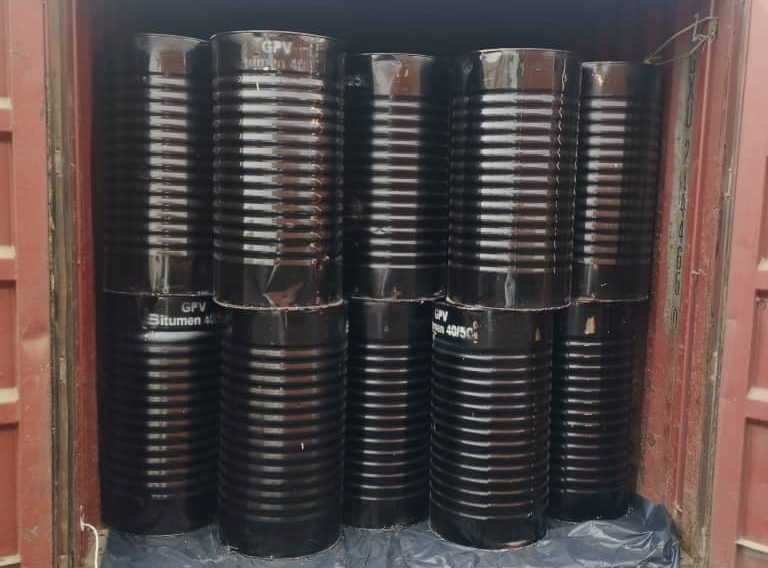
The company provides a comprehensive range, including penetration grades 60/70 and 80/100, viscosity grades VG10, VG20, VG30, and polymer-modified bitumen (PMB). These align perfectly with Korean bitumen market trends 2025, supporting high-performance asphalt for highways and urban roads.
Breakdown of key bitumen grades supplied by Gulf Petro Vision, optimized for Korean applications.
How Does Gulf Petro Vision Excel in Bulk Bitumen Delivery to Korea?
Leveraging a robust global network, Gulf Petro Vision ensures seamless bulk bitumen delivery Korea via specialized tankers and ISO-certified containers. Their logistics handle large volumes with precision, minimizing downtime for clients amid fluctuating Korean bitumen market trends 2025.
Competitive pricing strategies and flexible payment terms, such as letters of credit, make partnerships accessible. Superior customer service includes 24/7 support and dedicated account managers fostering long-term relationships.

What Makes a Gulf Petro Vision Project a Success Story in Korea?
In a landmark case, Gulf Petro Vision supplied 50,000 tons of VG20 bitumen for Seoul’s expressway expansion. Despite monsoon delays, on-time delivery and quality compliance enabled smooth bitumen for road construction in Korea, earning accolades from the Korea Road Public Corporation. This project underscores their role in sustainable infrastructure growth.
PROS
- Flexible terms for sustained partnerships
- Expert logistics for bulk needs
- Grades tailored to local standards
The Korean bitumen market is poised for robust expansion, fueled by infrastructure development and evolving sustainability priorities. As a key material in road construction, bitumen demand reflects South Korea’s ambitious urbanization and transportation initiatives. Current trends highlight a shift toward eco-friendly alternatives, while projections for 2025 point to sustained growth amid global uncertainties.
What Drives Demand in the Korean Bitumen Market Today?
Demand drivers include extensive government infrastructure projects, such as highway expansions and smart city developments, alongside steady economic growth. These initiatives boost the need for bitumen for road construction in Korea, ensuring durable pavements for increasing vehicular traffic. Key players, including reliable South Korea bitumen exporters, maintain a stable bitumen supply chain South Korea-wide through efficient bulk bitumen delivery Korea options. Pricing trends remain influenced by crude oil fluctuations, though domestic suppliers prioritize consistent quality.
This line chart illustrates projected bitumen demand growth, highlighting upward trends driven by infrastructure investments.
How Does a Trusted Bitumen Supplier in South Korea Navigate These Trends?
A premier Bitumen supplier in South Korea plays a pivotal role by adhering to stringent bitumen import regulations South Korea enforces, ensuring compliance for both domestic production and imports. These suppliers, often recognized as the best bitumen supplier Korea offers, support the South Korea pavement bitumen supplier network vital for national projects.
What Sustainability Shifts Are Shaping Road Construction?
South Korea emphasizes sustainable road construction practices, promoting polymer-modified and bio-based bitumen alternatives to reduce environmental impact. Government policies incentivize low-carbon materials, aligning with global green standards.
What Are the 2025 Projections and Global Influences?
Projections for Korean bitumen market trends 2025 forecast a 8-10% demand increase, propelled by population growth, urbanization, and high-speed rail expansions. Global economic conditions, like supply chain disruptions, and geopolitical events could introduce volatility. However, resilient South Korea bitumen exporters will bridge gaps, securing domestic supply through diversified sourcing and robust logistics.
PROS
- Strong infrastructure pipeline
- Rising sustainability adoption
- Reliable exporter networks
CONS
- Global supply volatility
- Regulatory compliance costs
In summary, the market’s trajectory underscores the importance of strategic partnerships with trusted suppliers to meet evolving demands.
How Does Choosing the Right South Korea Pavement Bitumen Supplier Impact Project Longevity?
Selecting a dependable South Korea pavement bitumen supplier directly influences the durability and performance of road infrastructure. High-quality bitumen ensures roads withstand heavy traffic, harsh weather, and time, while poor choices lead to early deterioration. In the Korean bitumen market trends 2025, prioritizing suppliers who maintain consistent quality and comply with bitumen import regulations South Korea is vital for sustainable projects.
Why Does Consistent Quality from a Bitumen Supplier in South Korea Matter?
A reputable bitumen supplier in South Korea delivers material meeting KS standards, ensuring uniformity in penetration grade and softening point. This consistency prevents cracking and rutting, extending pavement life by years. Reliable supply chains avoid project delays, critical for bitumen for road construction in Korea where timelines are tight.
| Consistent quality & standards compliance | Variable specs & non-compliance |
| Reliable bulk bitumen delivery Korea | Supply disruptions |
| Technical support included | Limited expertise |
How Can Substandard Bitumen Cause Premature Failure and Higher Costs?
Low-grade bitumen lacks proper viscosity, leading to oxidation, potholes, and stripping under rain or freeze-thaw cycles. This triggers premature road failure, skyrocketing maintenance costs by up to 50% over a decade and posing safety hazards like skidding. In contrast, quality material from the best bitumen supplier Korea minimizes these risks.
This bar chart illustrates how supplier quality extends road lifespan, highlighting the value of premium bitumen.
What Role Do Modifications, Storage, and Expertise Play?
Suppliers offering polymer-modified bitumen (PMB) or rubberized variants boost elasticity, resisting fatigue and thermal cracking for 30-50% longer life. Proper storage in the bitumen supply chain South Korea—avoiding contamination and temperature extremes—preserves properties. Partners providing technical support guide mix designs, optimizing performance. Ultimately, investing here yields long-term savings through reduced repairs and extended infrastructure life.
Choosing a reliable bitumen supplier in South Korea is vital for project success. Understanding the market dynamics, import regulations, and potential supply chain challenges is key. Gulf Petro Vision offers expertise and a commitment to quality, ensuring seamless bitumen delivery. Contact us today to discuss your project needs and experience a partnership built on trust and professionalism.