Bitumen Market Trends in India 2025
India’s rapid infrastructural development has placed bitumen at the core of the country’s construction ecosystem. From national highways to rural roads and urban infrastructure, bitumen is a key material used in paving, waterproofing, and insulating projects. In recent years, India’s bitumen consumption has reached record highs, driven by ambitious government initiatives and private sector investments.
As demand continues to rise, understanding the trends in bitumen consumption, import sources, logistics hubs, grade preferences, and packaging formats is essential for businesses, contractors, and suppliers operating in this sector.

Rising Bitumen Demand in India
India’s bitumen consumption has shown significant growth over the past decade. Driven by road-building programs and infrastructure modernization, bitumen usage has climbed to over 8.8 million metric tonnes annually.
A major contributor to this surge is the government’s continued focus on national infrastructure. Programs such as Bharatmala, Smart Cities, and Pradhan Mantri Gram Sadak Yojana have laid thousands of kilometers of roads, significantly increasing bitumen requirements year after year.
Road construction remains the primary consumer of bitumen, but usage is also growing in other sectors such as airport runway development, urban flyovers, metro rail projects, and industrial waterproofing applications.
Demand typically peaks between November and June due to favorable weather conditions for road-laying activities, while the monsoon season tends to slow consumption.
India’s Dependence on Bitumen Imports
Despite having a robust refining industry, India is unable to meet its entire bitumen demand domestically. Local production currently covers around 60% of the total requirement. The remaining 40%—over 3 million metric tonnes annually—is imported from international markets.
Imports have been rising steadily to bridge the gap between demand and domestic output. In the last fiscal year alone, imports increased by over 30%, making India one of the largest global importers of bitumen.
Top Import Sources
India primarily imports bitumen from oil-rich nations in the Middle East. The leading suppliers include:
-
Iraq: Currently the largest exporter of bitumen to India, known for consistent quality and large-scale shipments.
-
United Arab Emirates (UAE): A close second, offering competitive prices and proximity to Indian ports.
-
Iran: Supplies specialized grades and emulsions, though trade is sometimes impacted by geopolitical factors.
-
Oman and Bahrain: Smaller suppliers that contribute to the diversity of India’s import base.
These countries supply bitumen in bulk shipments, usually delivered to India’s west and east coast ports via oil tankers or ISO containers.
Key Ports for Bitumen Imports
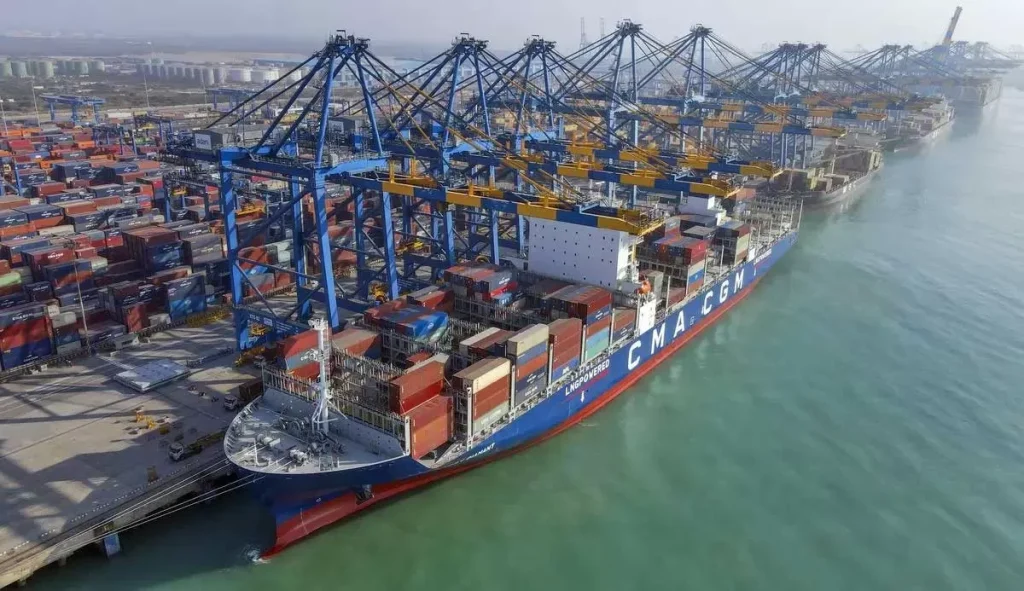
India’s extensive coastline allows bitumen imports through multiple maritime gateways. The following ports play a vital role in handling and distributing imported bitumen across the country:
Chennai Port
Located on the southeast coast, Chennai is a major hub for bitumen imports catering to southern and eastern regions of India. Its established liquid cargo infrastructure makes it ideal for handling heated bitumen tankers and drums.
JNPT (Navi Sheva), Maharashtra
As India’s largest container port, JNPT plays a crucial role in handling packaged bitumen and ISO containers. Its strategic location near Mumbai makes it accessible for western and central India.
Mundra Port, Gujarat
Mundra is one of the most efficient ports in the country, known for its deep-draft berths and modern handling facilities. It is a preferred port for large-volume imports due to its ability to accommodate VLCCs (Very Large Crude Carriers) and dedicated storage tanks for liquid cargo.
Kandla Port (Deendayal Port)
Situated in Gujarat, Kandla is another major hub for bitumen imports. It serves the northern and central parts of India and is well-equipped to handle both bulk tankers and drum-packaged cargo.
These ports are supported by inland distribution networks that ensure bitumen reaches even the remotest project sites.
Popular Bitumen Grades in India
India predominantly uses viscosity-grade (VG) bitumen, which offers superior performance compared to older penetration-grade specifications. The most widely used grades include:
-
VG30: Suitable for general road construction in most climatic conditions across India. It offers excellent adhesion and resistance to water damage.
-
VG40: Designed for regions with heavy traffic loads and higher temperatures. It is more durable and resistant to rutting.
In addition to these standard grades, demand is growing for specialized bitumen types, such as:
-
Polymer Modified Bitumen (PMB): Enhanced with polymers for improved elasticity and longevity. Used in highways, expressways, and airport runways.
-
Crumb Rubber Modified Bitumen (CRMB): Incorporates recycled rubber for improved skid resistance and environmental sustainability.
-
Bitumen Emulsions: Used for cold applications, patch repair, and surface dressing. These are especially popular in urban road maintenance.

Bitumen Packaging Formats
Bitumen is supplied in various packaging formats depending on the end use, project size, and transportation logistics. Common formats include:
1. Bulk Tankers
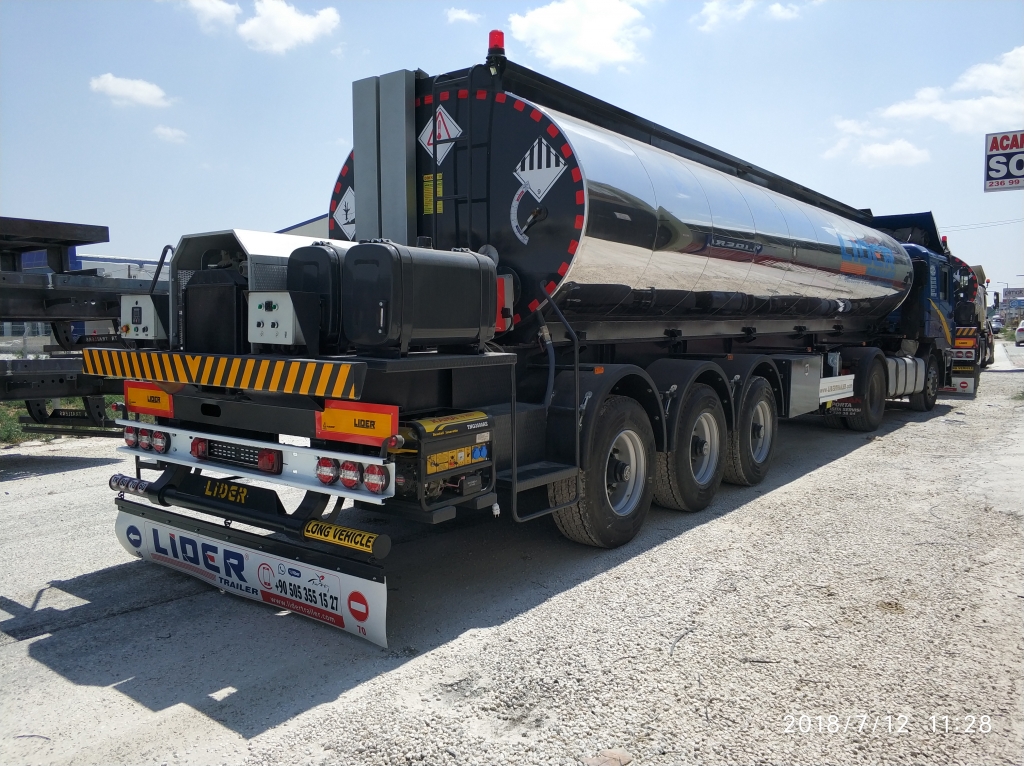
Used for large-scale projects, bulk deliveries involve transporting hot bitumen in insulated tankers directly from the refinery or port terminal to the construction site.
2. Drums
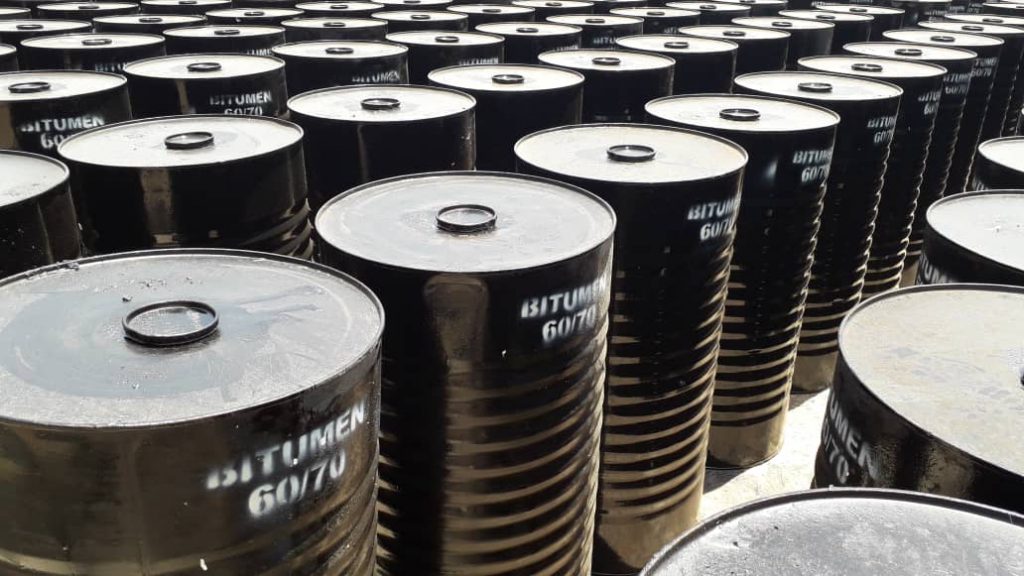
Steel drums (usually 180–200 kg) are commonly used for smaller construction and waterproofing projects. Drums are ideal for easy storage, manual handling, and localized use.
3. Jumbo Bags and Bitutainers
Jumbo bags are gaining popularity for polymer and emulsion grades. Bitutainers—large containers with temperature control—are also used for high-value exports and long-haul domestic distribution.
4. ISO Containers
For international trade and long-distance domestic logistics, ISO containers offer safe and efficient transport with minimal risk of contamination or spillage.
Choice of packaging depends on the nature of the application, distance from supply point, and volume of consumption.
Market Outlook and Future Trends
India’s bitumen market is expected to remain strong, with annual consumption likely to cross 9 million metric tonnes in the coming years. The government’s continued push for infrastructure development, along with private investments in logistics and real estate, will sustain demand growth.
At the same time, innovations such as bio-bitumen, eco-friendly emulsions, and cold mix technologies are gaining traction. These developments aim to make road construction more sustainable while reducing dependence on imported crude-based products.
However, price volatility due to fluctuations in global crude oil prices and regional geopolitical tensions could affect cost and availability. Efficient supply chain management and diversified sourcing will be key to managing these risks.
Gulf Petro Vision: A Leading Bitumen Supplier in India
As the demand for high-quality bitumen grows, reliable suppliers with a strong logistics network and product variety become essential. Gulf Petro Vision has emerged as a leading bitumen supplier in India, catering to both public and private sector projects across the country.
With a well-established presence at key ports like Chennai, JNPT, Mundra, and Kandla, Gulf Petro Vision offers a comprehensive range of bitumen grades, including VG30, VG40, PMB, CRMB, and emulsions. The company is known for its quality assurance, timely delivery, and customized packaging solutions—ranging from steel drums and jumbo bags to ISO containers and bulk shipments.
By combining international sourcing expertise with local market understanding, Gulf Petro Vision plays a critical role in supporting India’s infrastructure growth. Their commitment to excellence, competitive pricing, and wide distribution make them a preferred partner for construction companies, road contractors, and government projects across the country.

Conclusion
India’s bitumen market reflects the broader growth story of its infrastructure sector. With increasing demand, rising imports, evolving product types, and expanding distribution networks, the industry is poised for sustained growth.
For stakeholders in construction, logistics, and procurement, staying ahead of these trends is essential. Companies like Gulf Petro Vision are paving the way—offering reliability, quality, and end-to-end service in a market where time, consistency, and performance matter more than ever.