Indonesia Faces Demand Slowdown Amid High Stocks & Regional Competition
Introduction: Indonesia’s Changing Bitumen Landscape
Indonesia’s bitumen market is experiencing significant challenges as we progress through 2025. With infrastructure projects facing delays, inventory levels remaining stubbornly high, and regional competition intensifying, stakeholders across the supply chain are navigating an increasingly complex environment. This comprehensive analysis examines the current state of Indonesia’s bitumen sector, the factors driving market changes, and what industry participants can expect in the coming quarters.
Key Takeaways
- Indonesia’s bitumen demand projected to decrease by 12-15% in 2025 compared to previous forecasts
- Government infrastructure spending reductions impacting road construction projects
- High inventory levels across supply chain creating pricing pressures
- Regional competition, particularly from Singapore and Malaysia, intensifying
- Import regulations and sustainability initiatives reshaping market requirements
Current State of Indonesia’s Bitumen Market
Demand Slowdown
Indonesia’s bitumen consumption, which averaged approximately 1.2 million metric tons annually over the 2020-2023 period, is experiencing a significant slowdown in 2025. Current projections indicate a likely reduction of 12-15% compared to earlier forecasts, primarily due to delays in government infrastructure projects.
The National Road Development Program, which previously drove consistent demand, has seen budget reductions of nearly 18% this year. This reduction directly impacts bitumen requirements, as road construction and maintenance represent approximately 80% of Indonesia’s total bitumen consumption.
“The infrastructure spending cuts have created a ripple effect throughout the entire bitumen supply chain,” notes Bambang Suryanto, an analyst at Indonesia Infrastructure Insights. “Projects that were scheduled for Q1 and Q2 have been pushed back, creating considerable uncertainty in demand forecasting.”
High Inventory Levels
The demand slowdown coincides with elevated inventory levels across the supply chain. Domestic refineries, importers, and distributors accumulated substantial stocks in late 2024, anticipating infrastructure projects that have since been delayed or canceled.
Current estimates suggest inventory levels are 35-40% above historical averages, creating storage challenges and placing downward pressure on pricing. Major terminals in Jakarta, Surabaya, and Medan report near-capacity storage situations, forcing some suppliers to seek additional temporary storage solutions at increased costs.
Pricing Pressures
The combination of reduced demand and high inventories has created significant pricing challenges. Bitumen prices in Indonesia have declined approximately 8-12% since January 2025, with further reductions possible as suppliers attempt to reduce inventory positions.

Factors Influencing the 2025 Bitumen Market
Government Infrastructure Spending
The Indonesian government’s decision to reduce infrastructure spending represents the single most significant factor affecting bitumen demand in 2025. The Ministry of Public Works and Housing has announced a realignment of priorities, focusing on completing projects already underway rather than initiating new developments.
The following infrastructure projects have been specifically affected:
- Trans-Sumatra Highway extensions – Several sections delayed by 6-8 months
- Java Northern Coast Road upgrades – Reduced scope and extended timeline
- Eastern Indonesia connectivity projects – Budget reductions of approximately 25%
These changes directly impact bitumen requirements, as road construction typically accounts for the largest portion of consumption.
Economic Factors
Indonesia’s economic growth has moderated in early 2025, with GDP expansion projected at 4.3-4.7% for the year, down from the previous 5.1% forecast. This economic adjustment has influenced government spending priorities and private sector investment in infrastructure.
Key economic indicators affecting the bitumen market include:
- Inflation rate: Currently at 3.8%, impacting construction costs
- Currency fluctuations: The Indonesian Rupiah has experienced increased volatility
- Foreign investment: Reduced by approximately 12% in infrastructure projects
Regional Competition
Indonesia’s bitumen market is facing increased competition from regional suppliers, particularly Singapore and Malaysia. These competitors have expanded production capacity while focusing on higher-quality specifications that meet or exceed Indonesia’s increasingly stringent requirements.
Singapore has emerged as a particularly strong competitor, leveraging its advanced refining capabilities to produce premium-grade bitumen products that command a growing market share despite higher pricing. Malaysian producers, meanwhile, have focused on competitive pricing strategies to gain market share.

Supply Chain Challenges
Import Regulations
Indonesia has implemented stricter import regulations for bitumen products in 2025, requiring enhanced quality certification and sustainability documentation. These regulations, while designed to improve product quality and environmental performance, have created additional hurdles for international suppliers.
Importers must now provide:
- Detailed product specifications documentation
- Environmental impact assessments
- Carbon footprint calculations
- Supply chain traceability information
These requirements have slowed the import process and increased compliance costs, affecting price competitiveness for imported products.
Logistics Issues
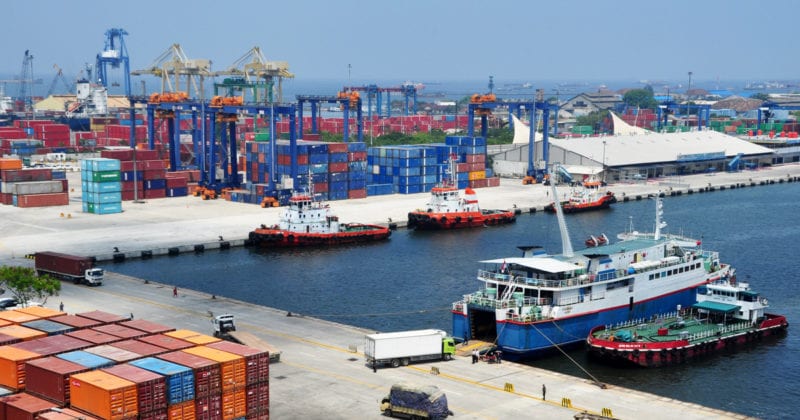
Transportation and logistics continue to present challenges for Indonesia’s bitumen market. The archipelago’s geography necessitates complex distribution networks, with marine transport playing a crucial role in reaching outer islands.
Recent increases in shipping costs, averaging 15-20% since late 2024, have further pressured margins across the supply chain. Port congestion, particularly at key facilities in Jakarta and Surabaya, has extended delivery timelines and increased transportation costs.
Market Segments Analysis
Road Construction
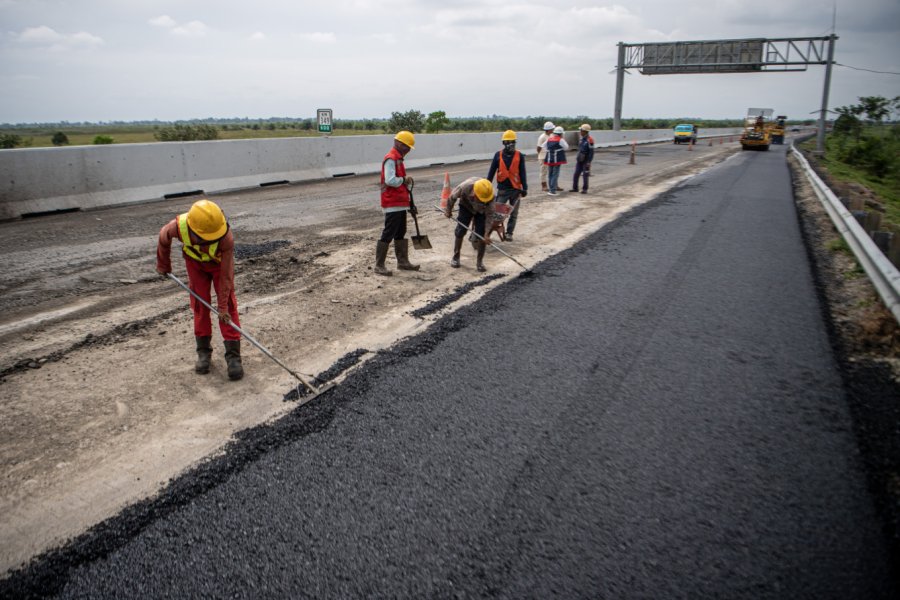
Road construction and maintenance remain the dominant application for bitumen in Indonesia, accounting for approximately 80% of total consumption. However, this segment has been most significantly impacted by government spending reductions.
Current projections indicate road construction bitumen demand will decrease by 15-18% compared to previous forecasts, with particularly sharp reductions in new highway development projects.
Waterproofing and Building Construction
The waterproofing and building construction segment, representing approximately 12% of bitumen consumption, has shown greater resilience. Private sector construction, particularly in commercial and industrial developments, continues to drive steady demand in this segment.
Industry analysts project this segment will see only a modest 3-5% reduction in bitumen demand compared to earlier forecasts, significantly outperforming the road construction segment.
Industrial Applications
Industrial applications, including bitumen use in adhesives, sealants, and specialized coatings, account for the remaining 8% of consumption. This segment has maintained relatively stable demand, with projections indicating a minimal 1-2% reduction compared to previous forecasts.
Regional Market Variations
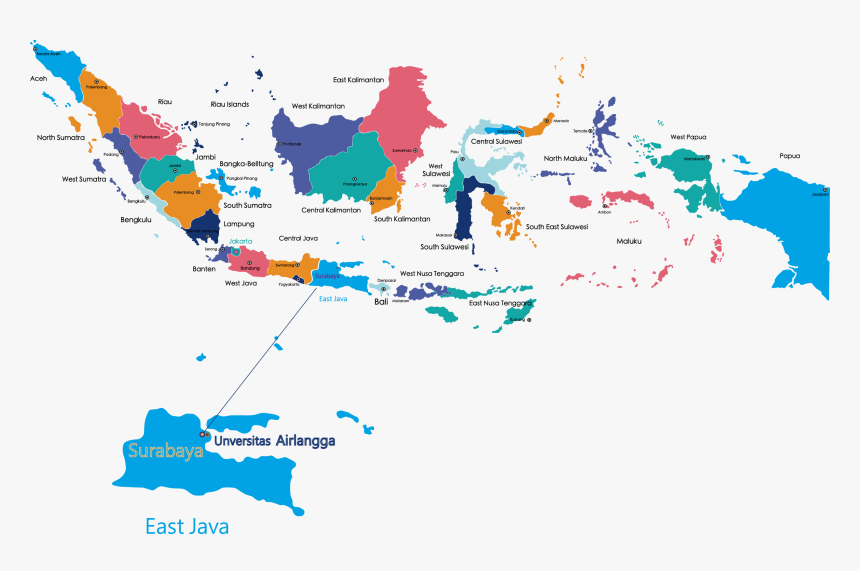
Bitumen demand variations across Indonesia’s regions reflect differing development priorities and economic conditions:
Java
Java, historically accounting for 45-50% of national bitumen consumption, is experiencing the most significant demand reduction. Major infrastructure projects in Jakarta, Bandung, and Surabaya have faced delays or scope reductions, leading to approximately 20% lower bitumen requirements.
Sumatra
Sumatra, representing 25-30% of national consumption, shows more modest demand reductions of 10-12%. The continued development of the Trans-Sumatra Highway, albeit at a reduced pace, provides ongoing bitumen demand.
Kalimantan and Eastern Indonesia
Kalimantan and eastern Indonesian regions, collectively accounting for 25% of national consumption, are experiencing mixed conditions. While some resource-driven projects continue to generate demand, overall consumption is projected to decrease by 8-10%.
Sustainability and Innovation Trends
Sustainable Bitumen Solutions
Environmental considerations are increasingly influencing Indonesia’s bitumen market. New regulations require improved environmental performance, driving interest in:
- Modified bitumen products with enhanced durability and reduced maintenance requirements
- Warm mix asphalt technologies that reduce energy consumption and emissions
- Recycled content incorporation to reduce virgin material requirements
These sustainability initiatives, while creating short-term adaptation challenges, offer potential long-term benefits in terms of product performance and environmental impact.
Technological Innovations
Technology adoption is accelerating across Indonesia’s bitumen industry as companies seek efficiency improvements and competitive advantages. Key innovation areas include:
- Advanced testing and quality control methods to ensure consistent product performance
- Digital supply chain management tools improving inventory tracking and demand forecasting
- Performance-based specifications replacing traditional composition-based requirements
These innovations help industry participants optimize operations and enhance product quality despite challenging market conditions.

2025 Outlook and Forecasts
Short-Term Projections (Q2-Q3 2025)
The immediate outlook for Indonesia’s bitumen market remains challenging:
- Continued inventory reduction efforts will likely maintain downward pricing pressure
- Project delays will extend through at least Q3 2025
- Regional competition will intensify as suppliers seek new market opportunities
Industry participants should prepare for a difficult operating environment requiring careful inventory management and cost control measures.
Medium-Term Recovery Potential (Q4 2025-2026)
Looking toward late 2025 and into 2026, several factors suggest potential market improvement:
- Government infrastructure spending may increase following the current consolidation period
- Inventory normalization will create more stable pricing conditions
- Private sector construction activity shows signs of acceleration
These factors could support market stabilization and potential growth resumption by early 2026.
Strategic Recommendations for Market Participants
For Suppliers and Producers
- Optimize inventory management to reduce carrying costs and minimize price impacts
- Develop specialized product offerings targeting resilient market segments
- Invest in sustainability initiatives to meet evolving regulatory requirements
- Explore export opportunities to offset domestic demand reductions
For Contractors and End Users
- Negotiate favorable supply agreements during the current buyer’s market
- Evaluate alternative bitumen technologies offering cost or performance advantages
- Implement advanced project planning to align with revised government timelines
- Consider stockpiling at current favorable prices for future project requirements
Conclusion: Navigating Challenging Market Conditions
Indonesia’s bitumen market faces significant challenges throughout 2025, requiring adaptability and strategic planning from all participants. The combination of reduced government spending, high inventory levels, and intensified regional competition creates a complex operating environment demanding careful navigation.
However, these challenges also create opportunities for innovation, efficiency improvements, and market differentiation. Companies that successfully adapt to current conditions while positioning for the eventual market recovery will emerge stronger when growth resumes.
By focusing on inventory optimization, product innovation, sustainability initiatives, and operational efficiency, industry participants can effectively manage the current market downturn while building foundations for future success.
This analysis represents current market conditions and projections based on data available as of May 2025. Market participants should continue monitoring economic indicators, government policy announcements, and regional developments for potential impacts on these forecasts.