Viscosity Grade Bitumen
Bitumen plays a critical role in infrastructure, particularly in road construction, where it is used for asphalt paving. Among the different grades of bitumen, Viscosity Grade Bitumen (VG Bitumen) is another widely used variant. This article will delve into the applications, advantages, and global use of VG bitumen, explain its differences from other grades, and highlight why it is a preferred choice in many projects.
What is Viscosity Grade Bitumen?
Viscosity Grade Bitumen is classified based on its viscosity, which measures the flow resistance of bitumen. It is measured in centipoise (cP) at a specific temperature, commonly at 60°C. The viscosity of bitumen is an important factor that determines how easily it can be transported, mixed, and applied.
VG bitumen are expressed in numbers such as VG 10, VG 20, VG 30, and VG 40, where the number indicates the viscosity in centipoise at 60°C. For example, VG 20 refers to bitumen with a viscosity of 20 centipoise at 60°C.
Different Types of Viscosity Grades and Their Applications
Viscosity Grade Bitumen comes in several types, each suited to different climate conditions and specific applications. The typical grades and their uses are listed below:
| Viscosity Grade | Viscosity Range (cP at 60°C) | Typical Application |
|---|---|---|
| VG 10 | 10 cP | Suitable for colder climates and areas requiring lower viscosity for easy handling. |
| VG 20 | 20 cP | Commonly used in regions with mild climates and for general road construction. |
| VG 30 | 30 cP | Used for areas requiring higher viscosity, such as regions with moderate traffic. |
| VG 40 | 40 cP | Suitable for hot climates and areas with high traffic loads that require greater durability. |
Viscosity Grade Bitumen vs. Other Grades
Viscosity Grade Bitumen differs from Penetration Grade Bitumen and Performance Graded Bitumen in several ways:
- Viscosity vs. Hardness: While Penetration Grade Bitumen is classified based on hardness (penetration value), VG bitumen is based on flow resistance or viscosity, making it more suitable for specific temperature conditions.
- Handling and Application: VG bitumen offers a more consistent application method, particularly in terms of transportation and mixing. Unlike Performance Graded Bitumen, which is rated based on temperature range, VG bitumen is more focused on ease of handling.
- Temperature Sensitivity: VG bitumen is used primarily in areas with stable climates, as its viscosity remains more constant at specific temperatures, unlike Performance Graded Bitumen, which is designed to withstand extreme temperature fluctuations.
Advantages of Viscosity Grade Bitumen Over Other Grades
- Ease of Handling
Viscosity Grade Bitumen is easier to transport and apply because of its well-defined viscosity at a given temperature. This characteristic is particularly beneficial for both large and small-scale infrastructure projects. - Durability in Specific Conditions
The controlled viscosity of these grades ensures that the bitumen remains durable and resistant to deformation, even under moderate traffic and weather conditions. - Cost-Effectiveness
In regions where the climate does not demand extreme performance standards, VG bitumen provides an affordable yet effective solution for road construction projects. - Consistent Quality
VG bitumen offers consistent properties, making it ideal for areas where uniformity in application is crucial for quality assurance.
Global Use of Viscosity Grade Bitumen
Viscosity Grade Bitumen is widely used in areas with stable temperatures. The following regions and countries are the largest consumers of this grade:
- India: Used extensively in road construction, especially in regions where the temperatures do not experience extreme fluctuations.
- Middle East: In countries like Saudi Arabia and the UAE, VG 20 and VG 30 grades are commonly used for asphalt paving in moderate climates.
- Southeast Asia: Countries such as Thailand and Indonesia rely on VG 10 and VG 20 grades for their road infrastructure needs due to their moderate temperatures and stable weather conditions.
- Africa: Several African countries use VG 30 and VG 40 for construction of highways and local roads in areas with higher temperatures and heavier traffic.
Packaging of Viscosity Grade Bitumen
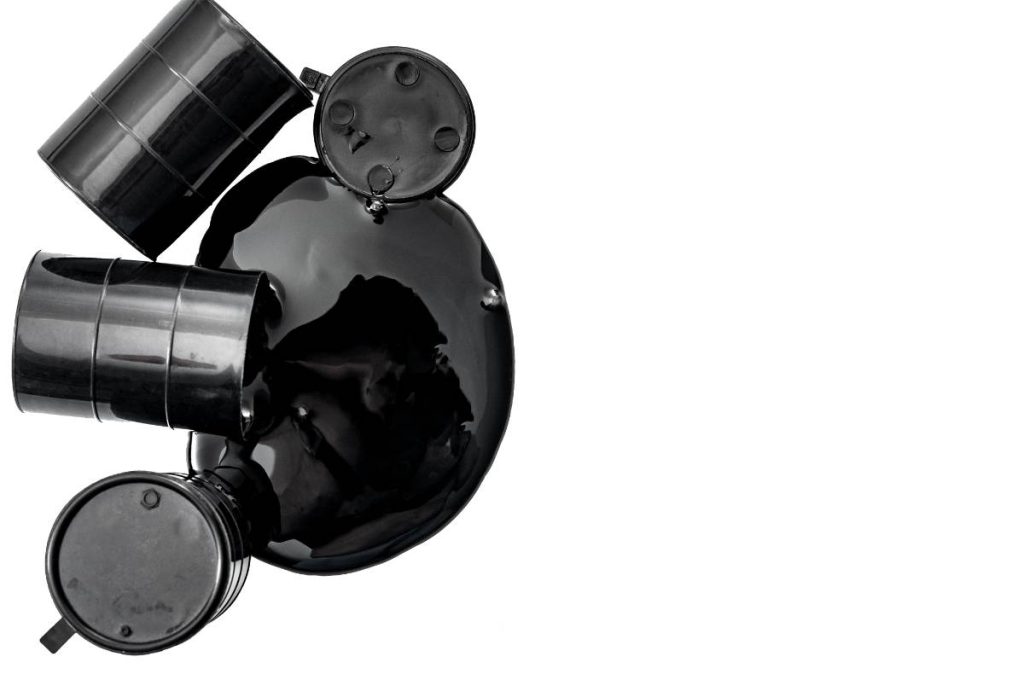
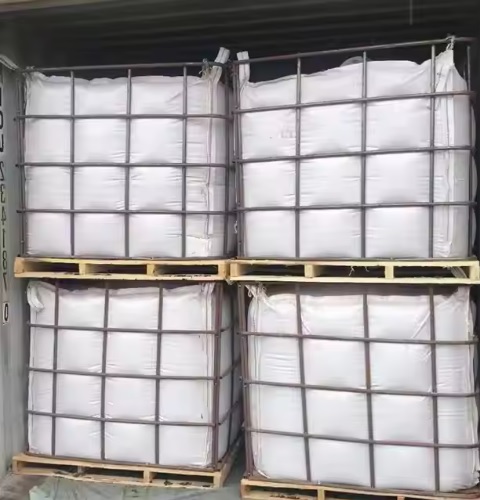
Viscosity Grade Bitumen is typically supplied in bulk for large-scale projects, transported using bitutainers to maintain the proper consistency. For smaller quantities or specific project requirements, it is packaged in bitumen drums (typically 180 kg) or jumbo bags (1000 liters). Bulk transport ensures cost-effectiveness for large infrastructure projects, while smaller packages are useful for smaller-scale applications.
Why Are the Different Viscosity Grades Named the Way They Are?
The naming system for VG bitumen is based on the viscosity of the material, measured in centipoise (cP) at 60°C. For example, VG 10 represents a bitumen grade with a viscosity of 10 cP at 60°C, making it ideal for colder climates and general applications. Higher grades such as VG 30 or VG 40 are used for more demanding conditions requiring higher viscosity.
General Characteristics of Viscosity Grade Bitumen Grades
Viscosity Grade Bitumen has several key characteristics that make it ideal for specific applications:
- Controlled Viscosity: Ensures that bitumen remains at the desired consistency for easy application and durability.
- Temperature Performance: Offers reliable performance in areas with stable or moderate temperatures.
- Durability: The higher the viscosity, the more durable the bitumen is, making it resistant to deformation under load and high temperatures.
- Ease of Application: Consistent viscosity grades make it easier for contractors to mix and apply bitumen efficiently.
Why Choose Our Viscosity Grade Bitumen?
While many suppliers offer Viscosity Grade Bitumen, customers prefer our products for the following reasons:
- High-Quality Assurance: Our VG bitumen meets industry standards, ensuring that projects are completed with materials that provide long-term performance.
- Tailored Solutions: We provide custom bitumen solutions for specific needs, adapting to climate conditions and road requirements.
- Timely Delivery: Our efficient supply chain ensures that bitumen is delivered on time, even for large-scale projects with tight deadlines.
- Customer Support: We offer exceptional service to guide clients through the selection process and ensure the success of their projects.
By choosing us, clients can rely on the highest quality VG bitumen, backed by outstanding service and expertise.
Conclusion
VG bitumen is an excellent choice for road construction projects, particularly in areas with stable or moderate climates. It offers the advantages of ease of handling, consistent application, and cost-effectiveness, making it ideal for both large and small-scale projects. With its ability to maintain consistent viscosity, it ensures long-lasting durability and quality performance.
For more information about VG bitumen and its applications, visit Bitumen Characteristics.